overlaylink

En conversación con un autor de novelas románticas

diciembre 07, 2023 | 2 lectura mínima

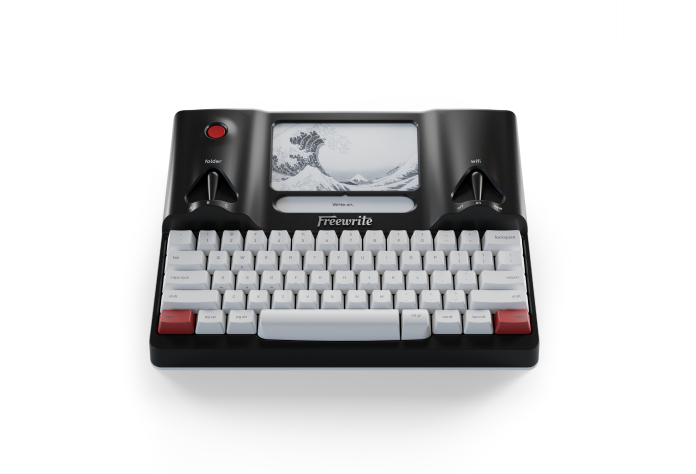
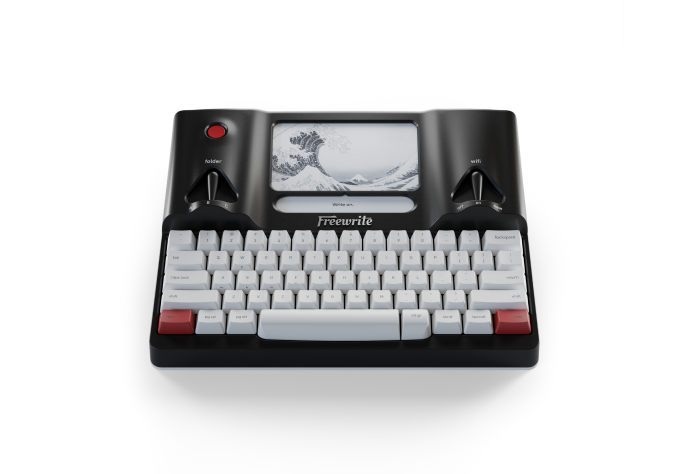
Todos los que participaron en nuestra clasificación de NaNoWriMo 2023 participaron para ganar una versión alfa gratuita, y el ganador es...

Stefanie L.!

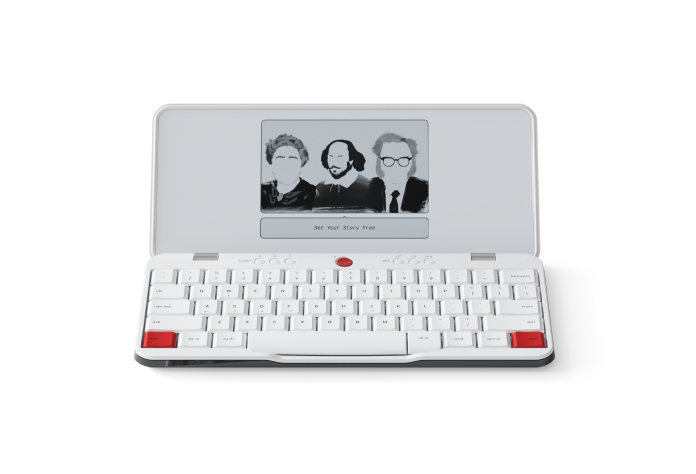
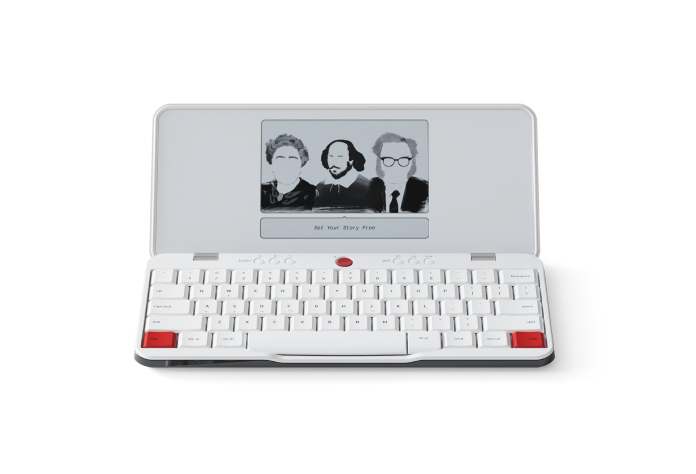
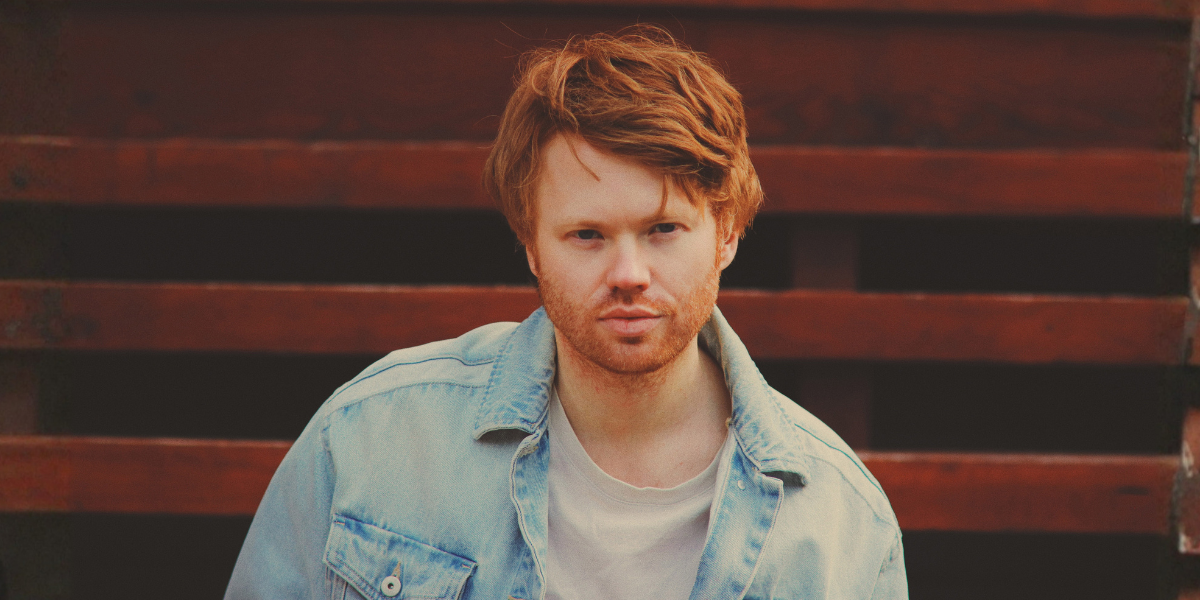
Stefanie es una escritora que completó NaNo este año en su Traveler, ¡y ganó! Escribió 57.471 palabras siempre que la vida se lo permitió. Nos sentamos a charlar sobre su escritura, cómo se las arregla con una agenda apretada y más...

¿Por qué no te presentas?

Mi nombre es Stefanie y vivo en Virginia, junto al océano. Actualmente escribo por diversión y espero publicar algún día. ¡He estado escribiendo novelas románticas!

¿Qué Freewrite utilizas?

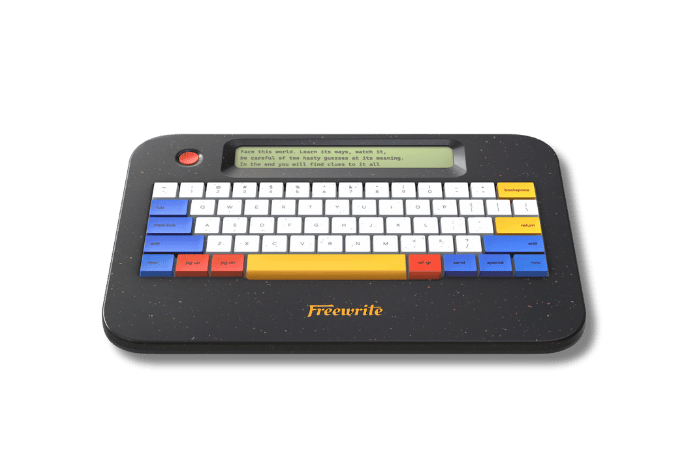
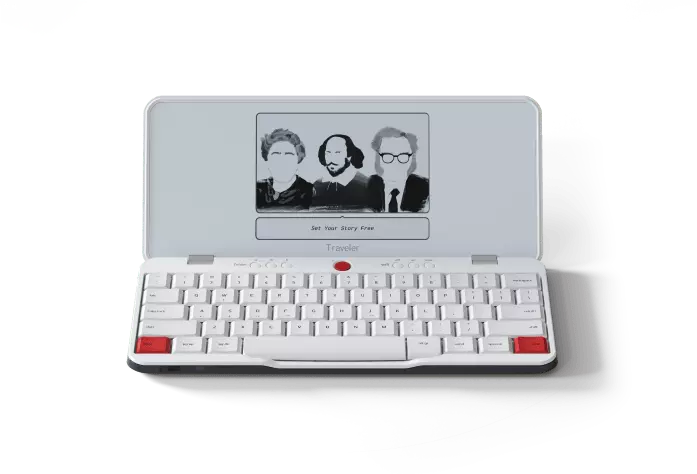
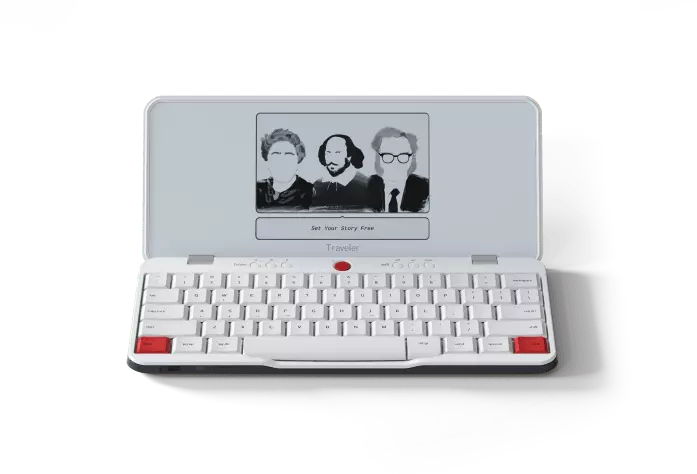
¡Tengo un Freewrite Traveler que compré para NaNoWriMo! ¡Me encanta! Me ayudó muchísimo a alcanzar mi meta de 50 mil palabras.

Tienes una agenda muy ocupada. ¿Cómo encuentras tiempo para escribir?

Soy mamá de dos niñas pequeñas y escribo siempre que la vida me lo permite. A veces es temprano por la mañana o en la fila para recoger a los niños en la escuela. Traveler me ha resultado muy práctico para escribir dondequiera que me lleven mis hijos.

El romance es un término relativamente nuevo. ¿Qué, en tu opinión, hace que un libro sea romántico?

Sí, un tema de actualidad en 2023 es qué define una novela romántica y cómo se diferencia de sus contrapartes más antiguas, el romance y la fantasía. Para mí, una buena novela romántica se encuentra dentro del gráfico a continuación. Contiene elementos de romance, magia, familia y política mundial a partes iguales.

Lo que lleva la historia al siguiente nivel es cuando la trama utiliza los problemas de estos elementos y los mezcla para crear obstáculos para el personaje.

¿Qué es lo que te atrae del romance como género?

Tengo una licenciatura en Literatura Inglesa y los temas de mi trabajo definitivamente surgen del aprendizaje sobre cómo las historias capturan la cultura en la que vivimos y preservan esos pensamientos e ideas para la eternidad.

¡Y siempre me ha encantado la magia! También me atraen las historias de mujeres que se encuentran a sí mismas y encuentran su fuerza en mundos duros e implacables, porque muchas de nosotras nos identificamos con eso. Sentimos que solo nos ven si seguimos las reglas, y estas historias nos ayudan a defendernos y a crecer.

¿Quiénes son algunas de tus influencias a la hora de escribir?

Como dije, siempre me ha gustado la magia. Las historias artúricas eran mis favoritas hasta que crecí y descubrí a Sarah J. Maas, Carissa Broadbent y Stephanie Garber.

¿Dónde pueden las personas seguir tu trayectoria como escritoras?

Mi cuenta de Instagram es @RomantasyStefanie . ¡Sígueme ahí!

--

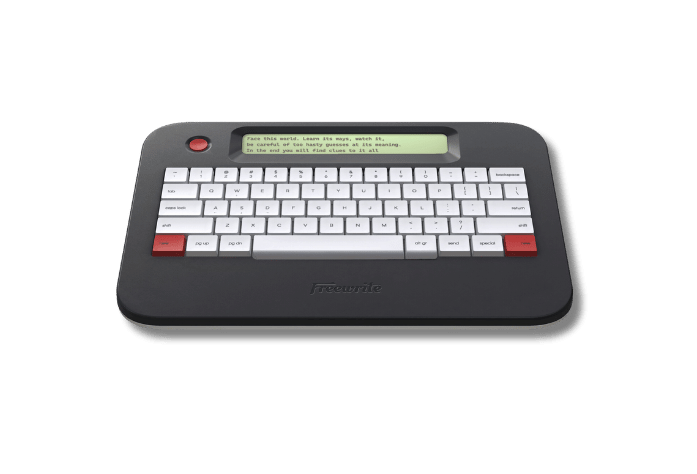
Gracias por tomarte el tiempo de charlar con nosotros, Stefanie. ¡Esperamos que disfrutes de Alpha!

https://getfreewrite.com/products/alpha

abril 15, 2026 4 lectura mínima

Break up with Final Draft for good. Get the best screenplay workflow in Hollywood: Freewrite + Highland Pro.

abril 01, 2026 0 lectura mínima
marzo 22, 2026 3 lectura mínima

If you're new here, freewriting is “an unfiltered and non-stop writing practice.” It’s sometimes known as stream-of-consciousness writing.

To do it, you simply need to write continuously, without pausing to rephrase, self-edit, or spellcheck. Freewriting is letting your words flow in their raw, natural state.

When writing the first draft of a novel, freewriting is the approach we, and many authors, recommend because it frees you from many of the stumbling blocks writers face.

This method helps you get to a state of feeling focused and uninhibited, so you can power through to the finish line.

How Freewriting Gives You Mental Clarity

Freewriting is like thinking with your hands. Some writers have described it as "telling yourself the story for the first time."

Writing for Inside Higher Ed, Steven Mintz says, “Writing is not simply a matter of expressing pre-existing thoughts clearly. It’s the process through which ideas are produced and refined.” And that’s the magic of putting pen to paper, or fingertips to keyboard. The way you learned to ride a bike by wobbling until suddenly you were pedaling? The way you learned certain skills by doing as well as revising? It works for writing, too.

The act of writing turns on your creative brain and kicks it into high gear. You’re finally able to articulate that complex idea the way you want to express it when you write, not when you stare at a blank page and inwardly think until the mythical perfect sentence comes to mind.

Writing isn’t just the way we express ideas, but it’s how we extract them in the first place. Writing is thinking.

Or, as Flannery O'Connor put it:

“I write because I don't know what I think until I read what I say.”

Writing isn’t just the way we express ideas, but it’s how we extract them in the first place. Writing is thinking.


Freewriting to Freethinking

But how and why does it work? Freewriting makes fresh ideas tumble onto the page because this type of writing helps you get into a meditative flow state, where the distractions of the world around you slip away.

Julie Cameron, acclaimed author of The Artist’s Way, proposed the idea that flow-state creativity comes from a divine source. And sure, it certainly feels like wizardry when the words come pouring out and scenes seem to arrange themselves on the page fully formed. But that magic, in-the-zone writing feeling doesn’t have to happen only once in a blue moon. It’s time to bust that myth.

By practicing regular freewriting and getting your mind (and hands) used to writing unfiltered, uncensored, and uninterrupted, you start freethinking and letting the words flow. And the science backs it up.

According to Psychology Today, the dorsolateral prefrontal cortex goes quiet during flow state. This part of the brain is in charge of “self-monitoring and impulse control” – in other words, the DLPFC is the tiny home of your loud inner critic. And while that mean little voice in your head takes a long-overdue nap, you’re free to write without doubt or negative self-talk.

“With this area [of the brain] deactivated, we’re far less critical and far more courageous, both augmenting our ability to imagine new possibilities and share those possibilities with the world.”

Freewriting helps us connect with ourselves and our own thoughts, stories, beliefs, fears, and desires. But working your creative brain is like working a muscle. It needs regular flexing to stay strong.

So, if freewriting helps us think and organize our thoughts and ideas, what happens if we stop writing? If we only consume and hardly ever create, do we lose the ability to think for ourselves? Up next, read "Are We Living through a Creativity Crisis?"


Learn More About Freewriting

Get the ultimate guide to boosting creativity and productivity with freewriting absolutely free right here.You'll learn how to overcome perfectionism, enhance flow, and reignite the joy of writing.

SYSF-book-mockup.webp