La página está en blanco y el cursor parpadea acusadoramente. Llevas una hora sentado frente al ordenador y no has escrito nada. No es que no quieras escribir, es que no puedes. Las palabras que ayer fluían con tanta facilidad se han desvanecido en el éter, y te preguntas con desesperación si algún día volverán.
La mayoría de los escritores (si no todos) conocen esta situación. El temido bloqueo del escritor, que, al menos para mí, suele aparecer cuando se acerca una fecha límite importante. Sin embargo, hace poco discutí con un amigo, también escritor, que insistía en que el bloqueo del escritor no existe. El bloqueo del escritor, según él, solo estaba en mi mente.
No es el primero en sugerir esa idea. Fui directo a Google para ver qué opinaban otros al respecto (con la esperanza de poder demostrarle a mi amigo que yo tenía razón y él estaba equivocado). En cambio, me topé con una investigación fascinante del mundo de la neuropsicología y la neurociencia. Resulta que el bloqueo del escritor solo está en mi cabeza, pero no de la forma en que mi amigo sugería.
La neuropsicología del bloqueo del escritor
La neuropsicología es un campo complejo que combina la comprensión psicológica de la mente con una investigación más fisiológica del funcionamiento del cerebro. Por ejemplo, la neuropsicología podría analizar qué neuronas se activan cuando experimentamos ciertas sensaciones, o qué partes del cerebro se activan durante experiencias o acciones específicas. Entonces, ¿qué nos dice la neuropsicología sobre el bloqueo del escritor?
Neurólogos, psicólogos, neuropsicólogos y neurocientíficos llevan décadas estudiando y debatiendo por qué se producen fenómenos como el bloqueo del escritor. Si bien algunos psicólogos concluyen que el bloqueo del escritor es más una excusa que un fenómeno, existen estudios que se han propuesto demostrar que existe evidencia neuropsicológica que respalda su realidad.
Disfunción ejecutiva
Los neuropsicólogos Elkhonon Goldberg y Russell Barkley han investigado un conjunto de funciones mentales complejas que ocurren en (o son controladas por) la corteza prefrontal, conocidas como «funciones ejecutivas». Estas funciones ejecutivas nos permiten planificar, organizar, priorizar, autosupervisar, iniciar y mantener ciertas conductas mientras perseguimos objetivos.
Cuando se altera la función ejecutiva, entramos en un estado que Russell Barkley denominó «disfunción ejecutiva». Una señal de disfunción ejecutiva es la incapacidad de evitar hacer algo que nos impide lograr una actividad con un objetivo. Un buen ejemplo de esto es cuando te has propuesto escribir una entrada de blog, pero dedicas el tiempo reservado a ver vídeos de perros en YouTube.
Cuando los escritores experimentan bloqueo creativo, se trata de una forma de disfunción ejecutiva. Sin duda, existen problemas con las funciones ejecutivas cuando se siente que la creatividad está bloqueada. Estos problemas pueden incluir:
- Dificultades para empezar (iniciación)
- Distracción
- Problemas para priorizar
- Luchando por mantener nuestro ritmo
Raíces emocionales
Otra perspectiva neuropsicológica clave sobre el bloqueo del escritor provino de Gene Parret. Su teoría sostiene que el bloqueo del escritor no solo es una enfermedad genuina, sino que también tiene su origen en miedos subyacentes. La neurociencia respalda esta idea. Todo lo que hacemos es el resultado de la activación de las neuronas en nuestro cerebro, y las emociones intensas, como el miedo, pueden tener un profundo efecto en las funciones neuronales.
Parret opina que la forma en que percibimos nuestras habilidades de escritura influye enormemente en nuestra experiencia del bloqueo del escritor. Por ejemplo, si tienes una mentalidad negativa (como pensar que nadie querrá leer lo que escribes) y te sientas a escribir, la negatividad afectará tus vías neuronales y dificultará el proceso de escritura.
La psicología de la escritura
Ronald Kellogg, autor de «La psicología de la escritura», ha destacado cómo ciertos entornos, horarios y rituales pueden potenciar o inhibir el proceso de escritura. Existe una relación neuropsicológica con esto, ya que se ha demostrado que las vías neuronales pueden activarse mediante asociaciones con lugares, momentos del día, etc.
Reglas del ritmo circadiano
También existen vínculos con los ritmos circadianos (también conocidos como ciclo sueño-vigilia). Por ejemplo, muchos escritores descubren que su creatividad fluye mejor en ciertos momentos del día. Esta es otra área que ha sido respaldada por la neurociencia, aunque en estudios realizados con ratones.
Estudios neurocientíficos han revelado que los ritmos circadianos no se limitan a cuándo estamos despiertos y cuándo dormimos. También hay momentos del día más adecuados para distintos tipos de tareas. Para complicarlo aún más, el ritmo circadiano de cada persona para tareas específicas es diferente, por lo que no existen reglas sobre los momentos específicos en los que se debe realizar una tarea.
Sin embargo, los estudios sobre el ritmo circadiano han demostrado que, si no comprendes tus propios ritmos circadianos, podrías encontrarte intentando escribir cuando tu cerebro está más optimizado para la investigación (procesamiento del conocimiento). Existen diferentes procesos neuronales involucrados en la creatividad (como la escritura) en comparación con tareas más estructuradas (como la investigación), por lo que, cuando experimentas el bloqueo del escritor, podría ser que estés intentando ser creativo cuando tu cerebro quiere aprender.
Curiosamente, también somos notoriamente malos para comprender correctamente nuestro propio ritmo circadiano. Algunas investigaciones han demostrado que quienes se autoproclaman "madrugadores" son, en realidad, más productivos por la noche, y quienes se consideran "noctámbulos" son más productivos por la mañana. ¿Podría ser tan sencillo superar el bloqueo del escritor comprender mejor tu ritmo circadiano?
Usando la neuropsicología para combatir el bloqueo del escritor
Ahora que hemos repasado brevemente algunas de las complejidades de la neuropsicología, es hora de ponernos prácticos. ¿Cómo se puede usar la neuropsicología para combatir el bloqueo del escritor? De hecho, existen diversas técnicas que se basan en el pensamiento neuropsicológico.
1. Señales cognitivas
La señalización cognitiva se basa en la comprensión de Kellogg sobre cómo ciertos lugares pueden afectar la eficiencia de ciertos procesos. No es una solución inmediata, ya que establecer señales cognitivas lleva tiempo, pero es una técnica que ha demostrado ayudar a romper el ciclo del bloqueo del escritor.
Con las señales cognitivas, necesitas crear un espacio específico que se use solo para escribir. Solo será efectivo si ese espacio es exclusivamente para escribir; si lo usas para cualquier otra cosa, las señales cognitivas no funcionarán. Tu cerebro asociará el espacio con el acto de escribir, y las vías neuronales que se forman impulsarán el proceso de escritura cuando regreses a ese espacio para escribir.
2. Autorreflexión circadiana
Dado que nuestros ritmos circadianos tienen un impacto tan grande en nuestra capacidad para realizar tareas específicas, es lógico que otra forma de superar el bloqueo del escritor resida en comprender los momentos del día más propicios para escribir. Cada persona es diferente, así que la única manera de determinar los momentos del día más adecuados para la investigación y los más propicios para la creatividad es mediante la autorreflexión.
Lleva un diario o apuntes sobre tus actividades diarias y reflexiona sobre la facilidad (o dificultad) que te parecieron los diferentes tipos de tareas. Varía los momentos del día en que completas las tareas para que puedas empezar a ver patrones. Cuando comprendas tu ritmo circadiano, podrás centrar tus actividades de escritura en los momentos más creativos del día y reducir el riesgo de bloqueo creativo.
3. Incuba tu creatividad
La incubación de ideas es un principio neuropsicológico probado en ratones. Se basa en la idea de que, cuando se trabaja en una tarea (o se aprende una habilidad) y luego se toma un descanso o se inicia una tarea diferente, las vías neuronales implicadas en la tarea o habilidad original permanecen activas.
RELACIONADO: Hábitos de escritura para impulsar tu creatividad
Aplicando esto al bloqueo del escritor, si te cuesta plasmar las palabras en la página (o pantalla), tomarte un descanso y hacer otra cosa (dar un paseo, leer un libro, etc.) puede permitir que las ideas se incuben, ya que las vías neuronales relacionadas con la escritura se mantendrán activas. Los escritores suelen decir que sus mejores ideas surgen cuando hacen algo completamente ajeno, por lo que vale la pena probar la incubación para superar el bloqueo del escritor.
4. Métodos de motivación
En neuropsicología, se han identificado diferentes tipos de motivación, y las personas tienden a tener uno u otro. Estos se conocen como «motivación de aproximación» y «motivación de evitación». Las personas con «motivación de aproximación» son optimistas sobre sus posibilidades de lograr y están motivadas positivamente para completar las tareas. Las personas con «motivación de evitación», en cambio, son negativas y están motivadas por el miedo al fracaso.
La neurociencia demuestra que los cambios en la actividad neuronal pueden verse afectados por los resultados percibidos; por lo tanto, lo que creemos que será el resultado influye en nuestro rendimiento. Si empezamos a escribir preocupados por si nadie querrá leer lo que escribimos, este resultado percibido afectará negativamente a nuestras neuronas y la tarea de escribir se volverá más difícil.
RELACIONADO: 55 citas motivacionales de autores famosos
La solución a este problema es cambiar nuestro tipo de motivación y usar la motivación de aproximación. Para ello, nos centramos en resultados positivos y establecemos metas fáciles de alcanzar que refuercen la positividad. Cuanto más alcancemos estas metas "fáciles", mayor será el impacto en nuestras neuronas y menor será la probabilidad de sufrir bloqueo del escritor.
5. Ruido de fondo
Era escéptico sobre esta técnica, hasta que la probé. Al parecer, estudios han demostrado que los escritores suelen ser más productivos en cafeterías u otros entornos similares donde otros también lo son. Esto tiene que ver con el ruido de fondo, y ahora existen aplicaciones que replican el ruido ambiental de una cafetería para quienes no pueden salir físicamente a escribir cuando se sienten bloqueados.
Los diferentes tipos de ruido de fondo pueden afectar positiva o negativamente nuestra creatividad y productividad, por lo que es importante encontrar el tipo de ruido de fondo que mejor se adapte a ti. Algunas personas, por ejemplo, son más sensibles al ruido; una cafetería con mucha gente podría afectar negativamente su capacidad para escribir, pero una cafetería más tranquila podría ayudar a combatir el bloqueo del escritor.
6. Desconecte y reinicie
En el mundo moderno, a veces sentimos que somos esclavos de nuestros dispositivos tecnológicos. Los teléfonos inteligentes, tabletas y portátiles nos mantienen constantemente conectados a correos electrónicos, redes sociales, videos en línea y otras distracciones, lo cual puede ser una mala noticia si ya eres propenso a sufrir el bloqueo del escritor.
Desconectarse de la tecnología por un tiempo ofrece diversos beneficios psicológicos. Desconectarse puede ayudar cuando te sientes deprimido, ansioso o abrumado. También puede ayudar con el bloqueo del escritor, eliminando distracciones y permitiéndote reiniciarte y conectar con tu creatividad.
Si estás acostumbrado a escribir en una laptop o computadora de escritorio, apagar toda la tecnología puede ayudarte a desbloquearte cuando sientes que tu creatividad se ha agotado. La abundancia de distracciones en internet puede impedir que te concentres en algo y encuentres el ritmo. Es una técnica sencilla que aumenta tu capacidad de concentración y ayuda a que la creatividad fluya de nuevo.

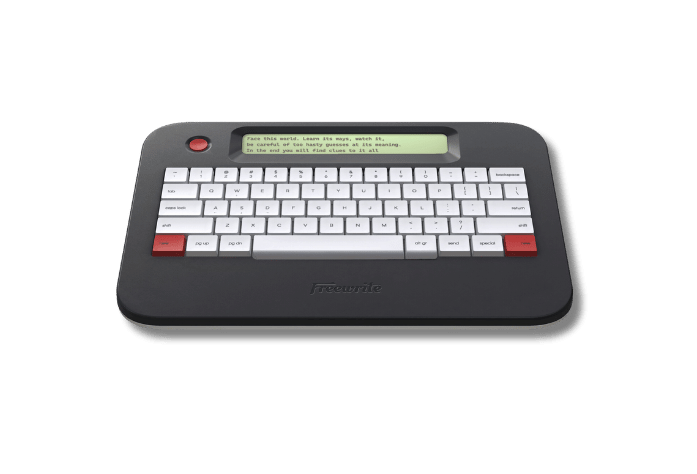
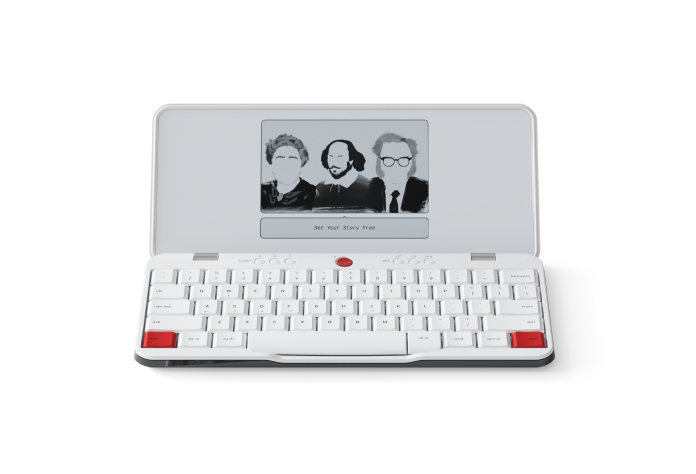
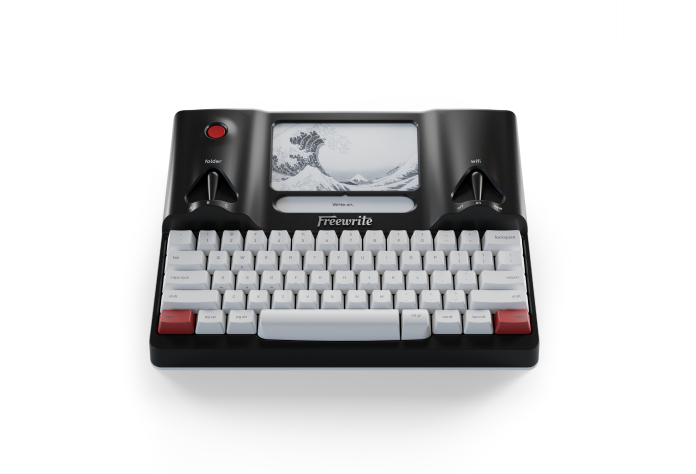
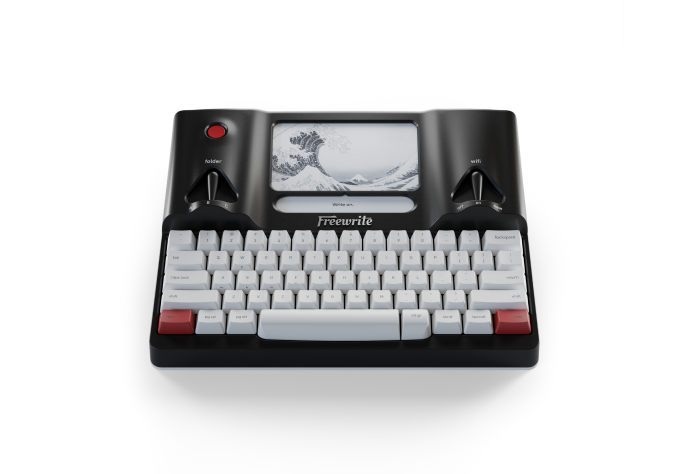
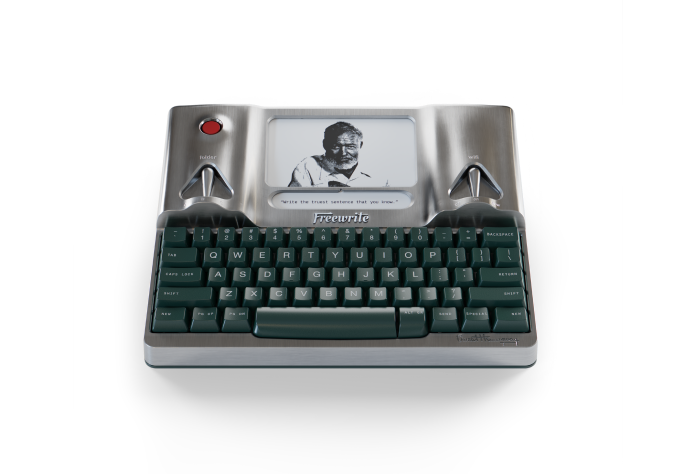
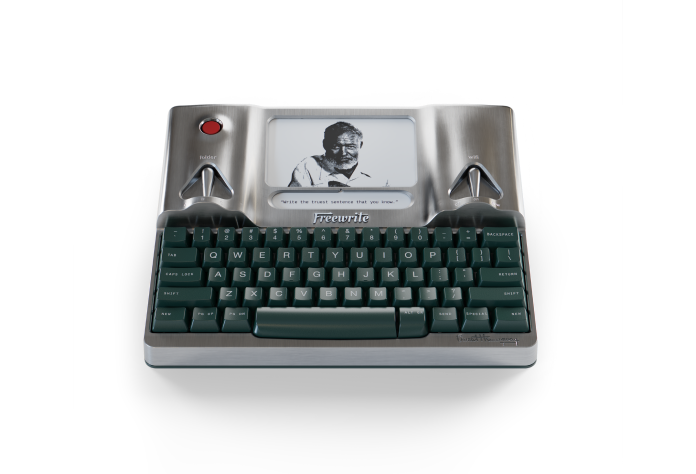
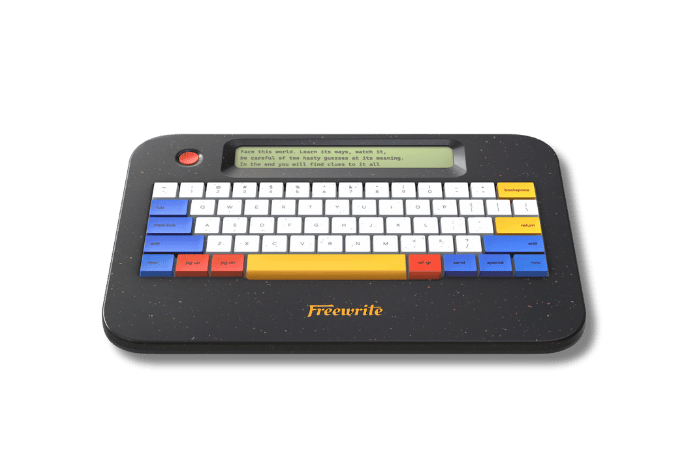
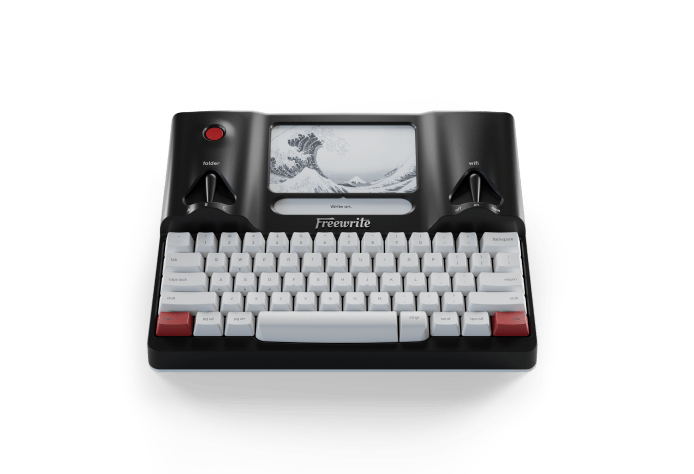
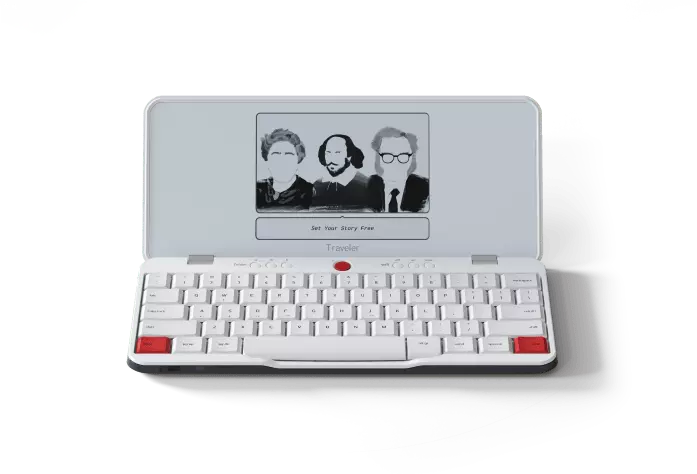
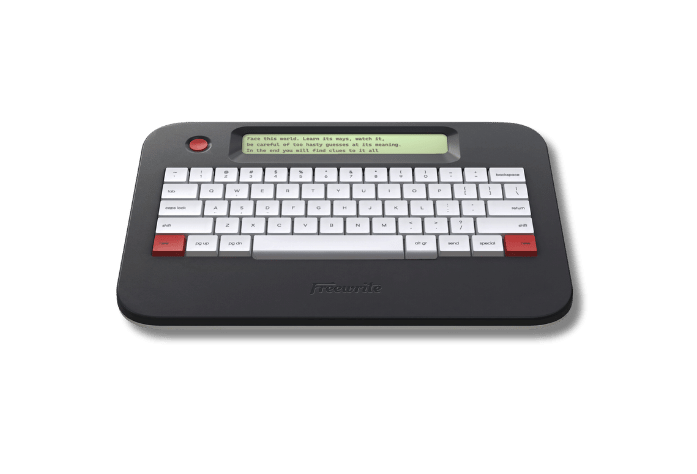
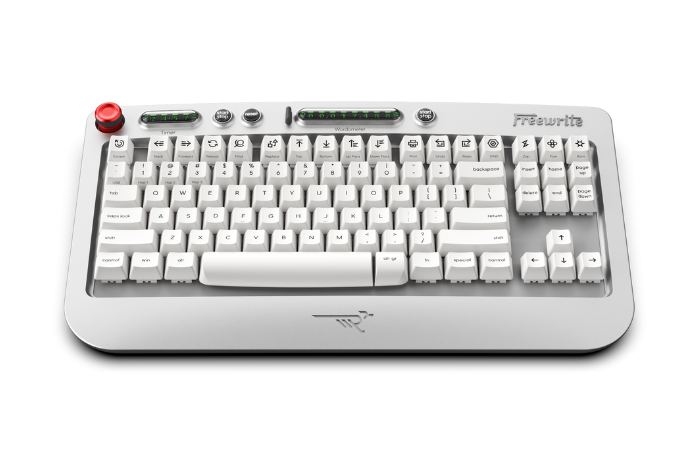
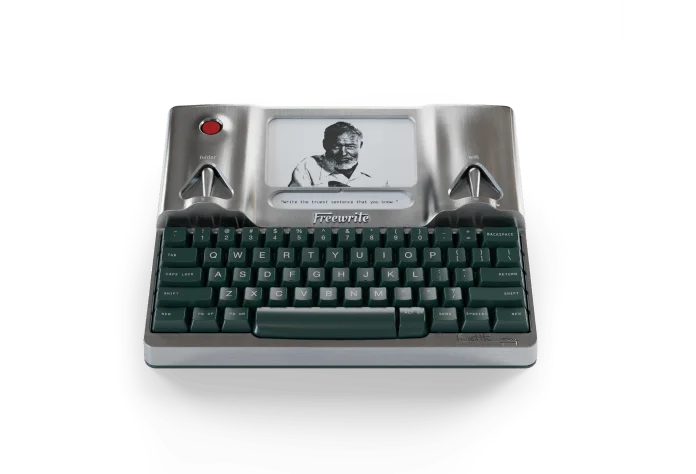
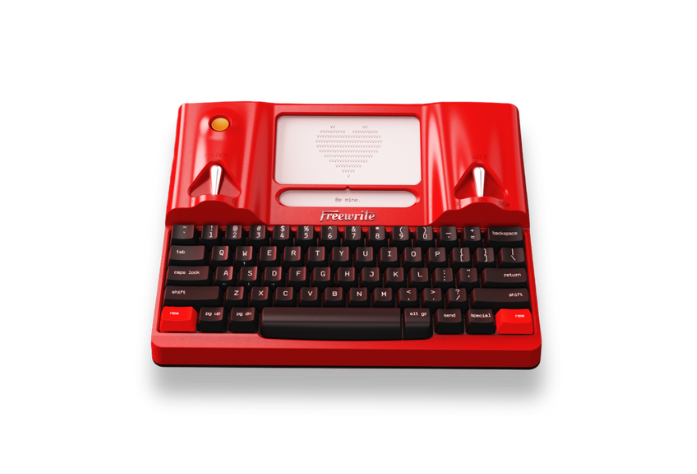
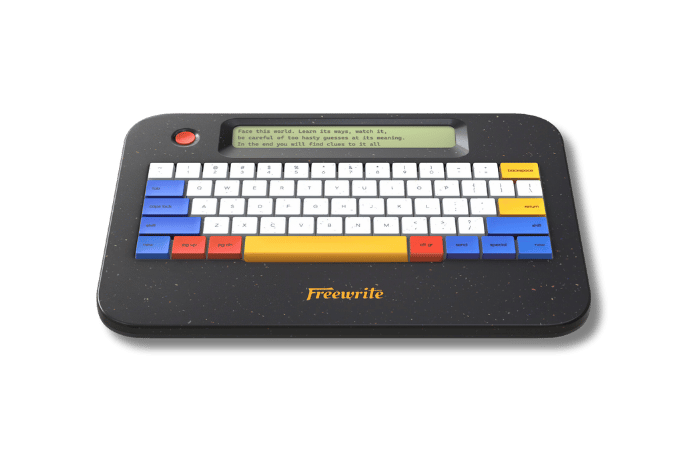
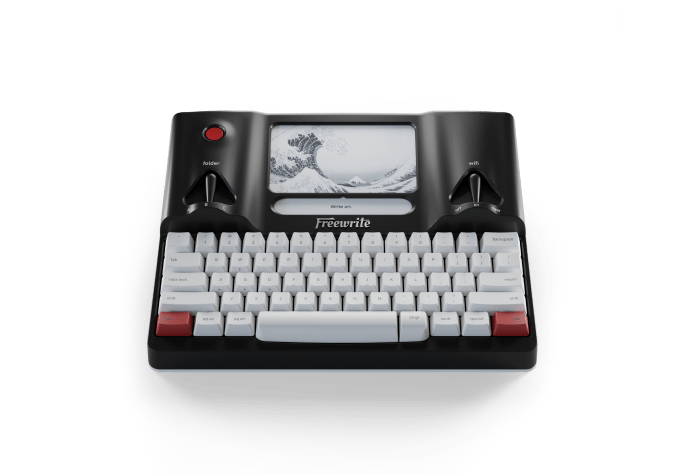
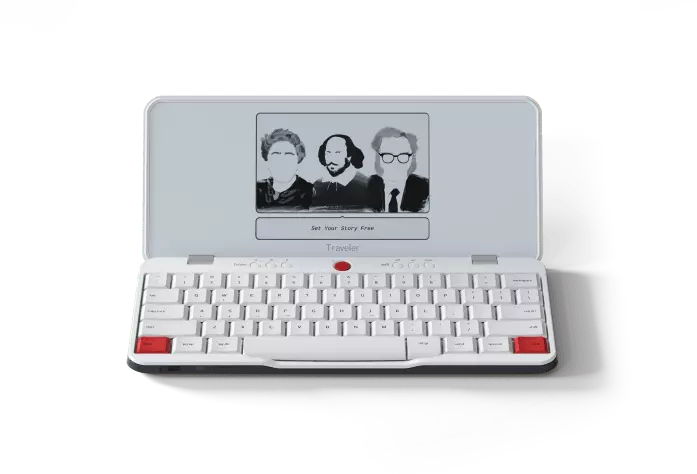
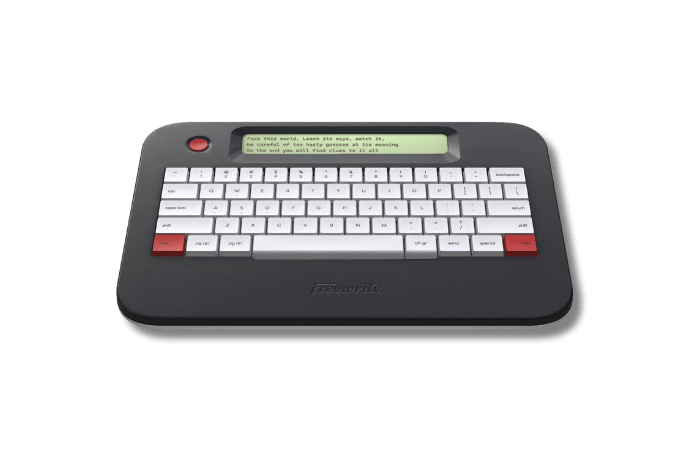
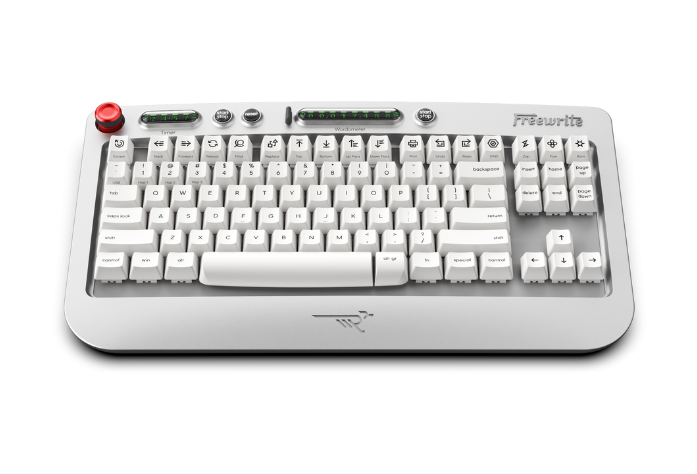
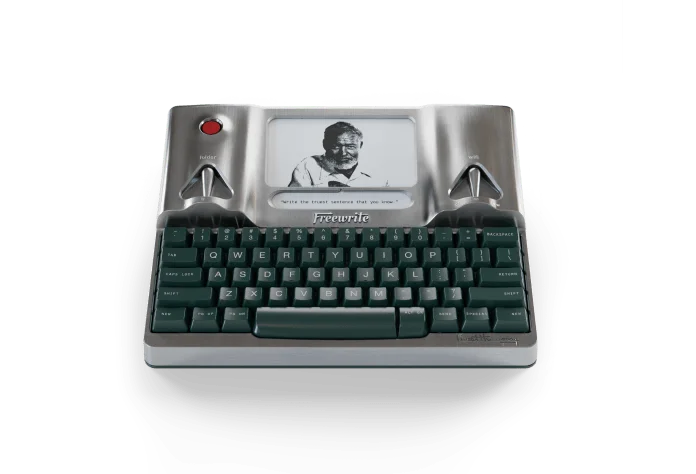
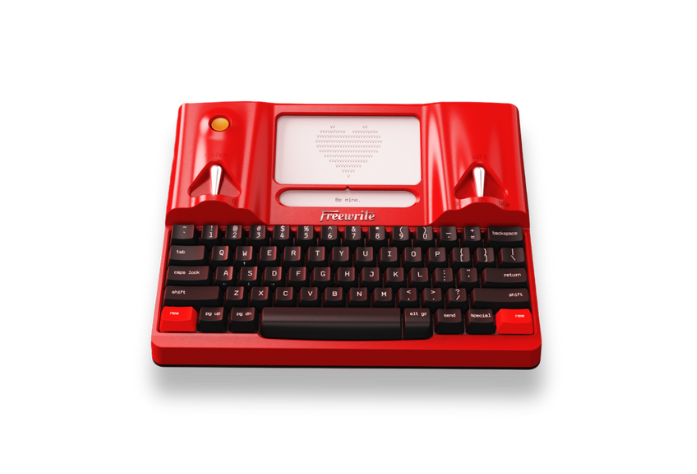
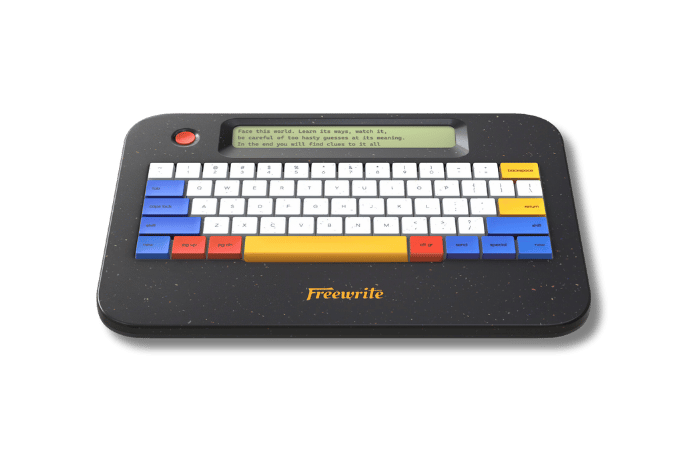
Aunque podrías abandonar la tecnología por completo y volver a lo básico con lápiz y papel, la mayoría de nosotros podemos escribir a máquina mucho más rápido que escribir a mano. Además, transcribir notas manuscritas a la computadora es extremadamente tedioso. Por suerte, hay una manera de desconectar y seguir disfrutando de los beneficios de la tecnología: los dispositivos de escritura sin distracciones de Freewrite. Con una sensación similar a la de una máquina de escribir y sincronización automática con la nube, puedes volver a escribir rápidamente. Descubre más sobre la gama de dispositivos disponibles aquí .
Un plan de tratamiento para el bloqueo del escritor
La neuropsicología nos muestra que existe evidencia científica de la existencia del bloqueo del escritor, y no se trata solo de excusas o pereza. Tratar el bloqueo del escritor con neuropsicología ofrece diversas técnicas que pueden usarse individualmente o combinarse en tu propio plan de tratamiento personal. Experimenta con las diferentes técnicas y encuentra las que mejor te funcionen para combatir el temido síndrome de la página en blanco que temen los escritores.
Fuentes
https://www.psychologytoday.com/gb/blog/psychology-writers/201108/writers-block-and-burnout-getting-unstuckhttps://www.psychologytoday.com/gb/blog/one-true-thing/201307/writers-block-it-may-not-be-all-in-your-head
https://www.brainpickings.org/2014/08/25/the-psychology-of-writing-daily-routine/
https://www.brainpickings.org/2012/10/01/breakthrough-alex-cornell/
https://psychcentral.com/blog/the-psychology-behind-writers-block/
http://www.writing-world.com/life/block.shtml
https://scienceblogs.com/neurontic/2006/02/04/on-writers-block
https://www.theguardian.com/lifeandstyle/2017/mar/17/is-writers-block-a-real-thing-oliver-burkeman
https://www.apa.org/gradpsych/2015/11/writers-block
https://rainmaker.fm/audio/writer/best-writers-brain-four/
https://www.pri.org/stories/2016-04-05/creative-block-here-s-neuroscience-how-fix
https://www.copyblogger.com/outsmart-writers-block/