

Encontrar el concurso de escritura ideal puede ser un proceso difícil y lento. Busqué en Google el término "concursos de escritura" y obtuve 126 000 000 de resultados. Por eso, hemos compilado una lista completa y actualizada de los mejores concursos de escritura de 2020.
Estás aquí porque buscas concursos de escritura confiables que ofrezcan premios en efectivo o la posibilidad de que tu trabajo llegue a más personas. Descubre los mejores concursos de escritura de ensayos, poesía, novelas y cuentos para escritores de ficción y no ficción.
Descargo de responsabilidad: La mayoría de las descripciones de cada concurso se tomaron directamente del sitio web del concurso más relevante.
Hicimos el trabajo preliminar y seguiremos actualizando esta lista a lo largo del año. Si quieres recibir actualizaciones cuando la actualicemos, ¡suscríbete !
Envía tu trabajo a estos concursos para tener la oportunidad de ganar notoriedad, recompensas y, por supuesto, premios en efectivo.
Relacionado: ¿Te cuesta terminar tu trabajo antes de la fecha límite del concurso? Usa Sprinter , nuestra herramienta de escritura en línea sin distracciones. Produce tu mejor trabajo manteniéndote productivo y creativo.
¿Nos perdimos algún concurso de escritura? Cuéntanoslo en los comentarios o tuiteándonos a @astrohaus .
------------
20 concursos de escritura en 2020
1. Concurso de escritura de 100.000.000 palabras
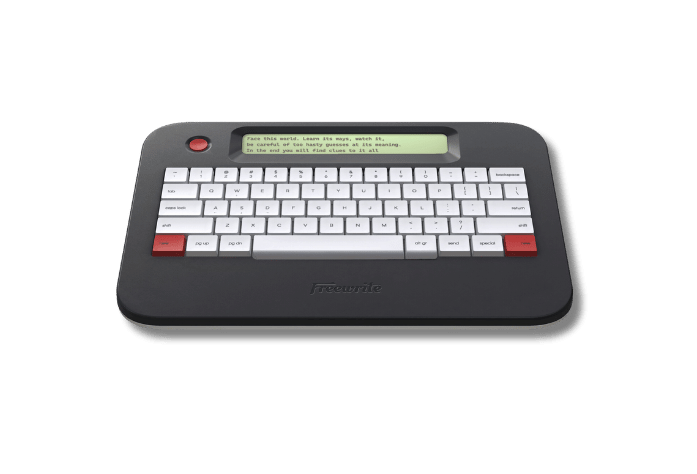
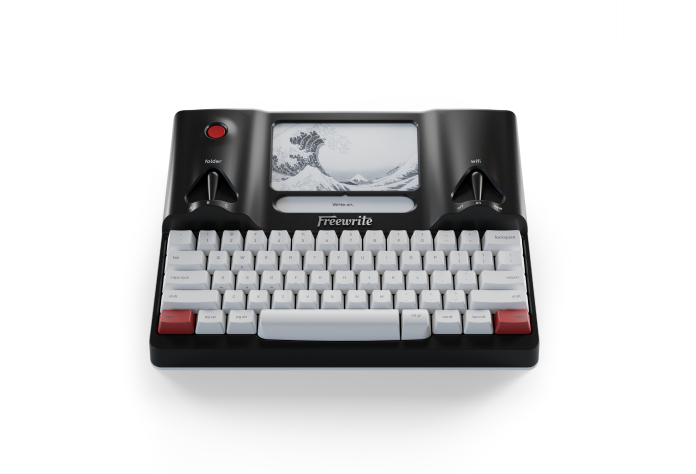
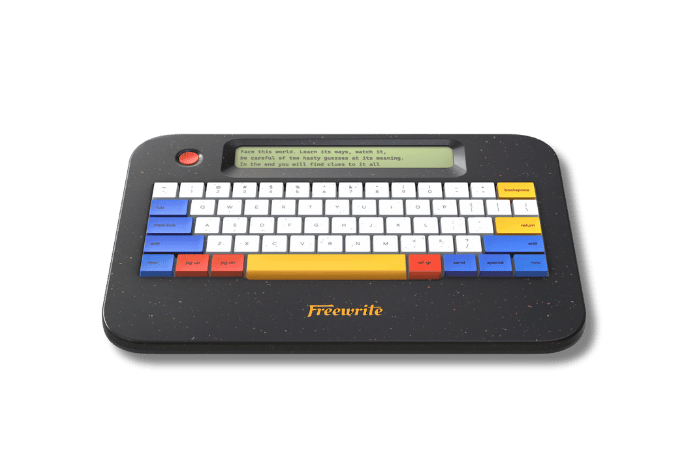
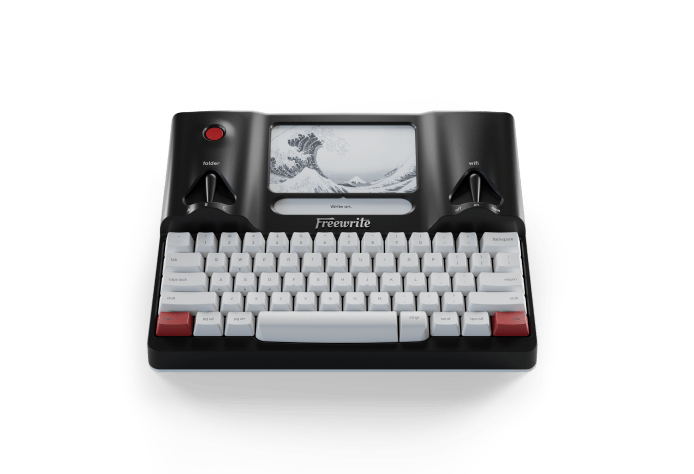
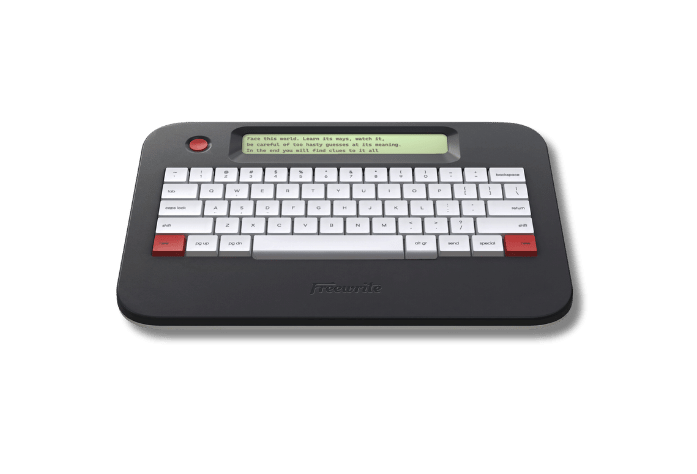
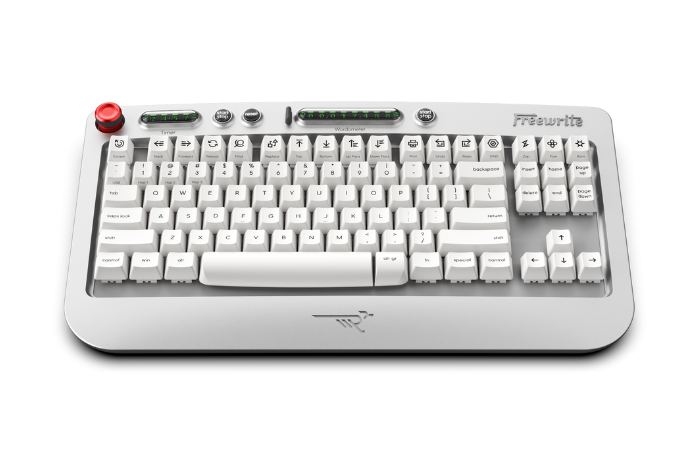
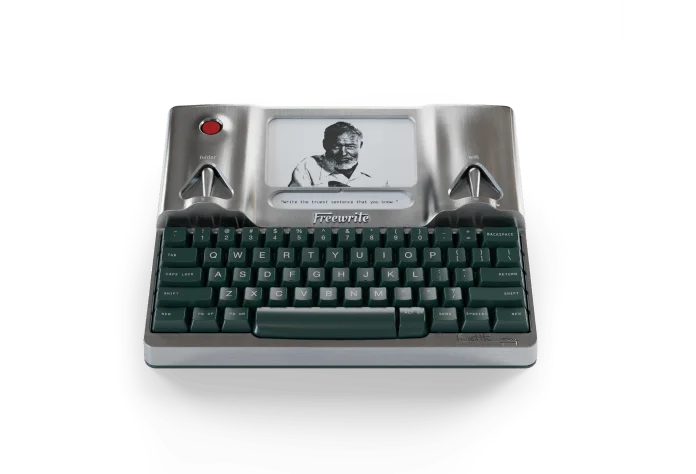
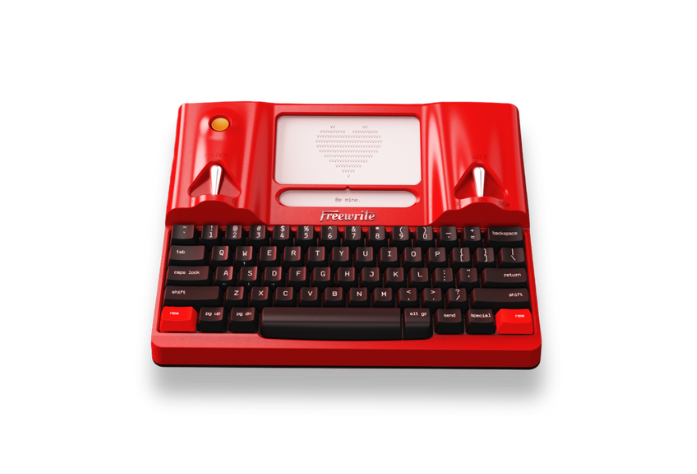
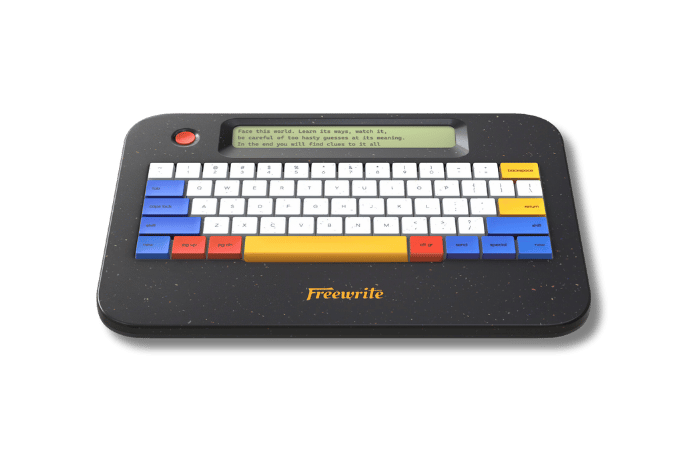
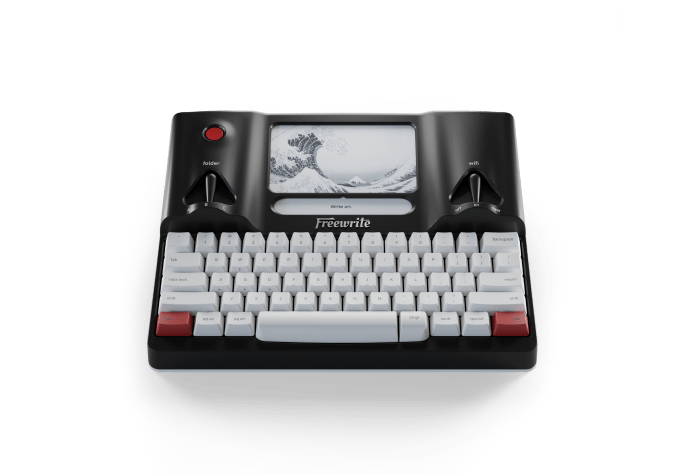
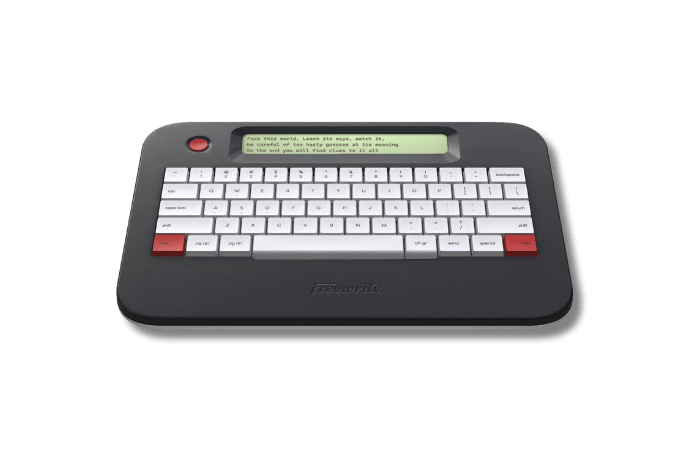
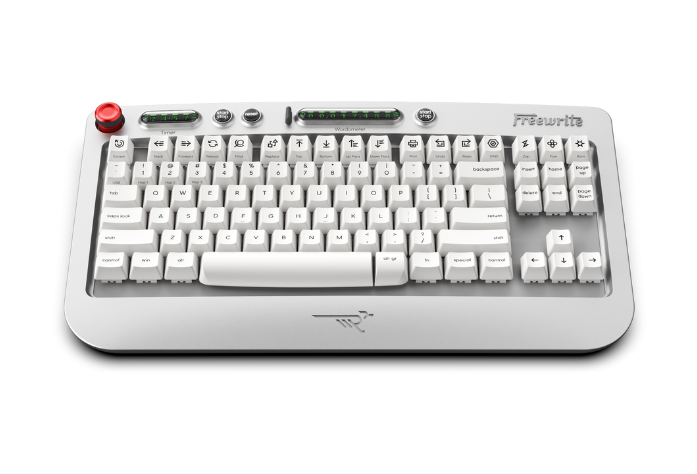
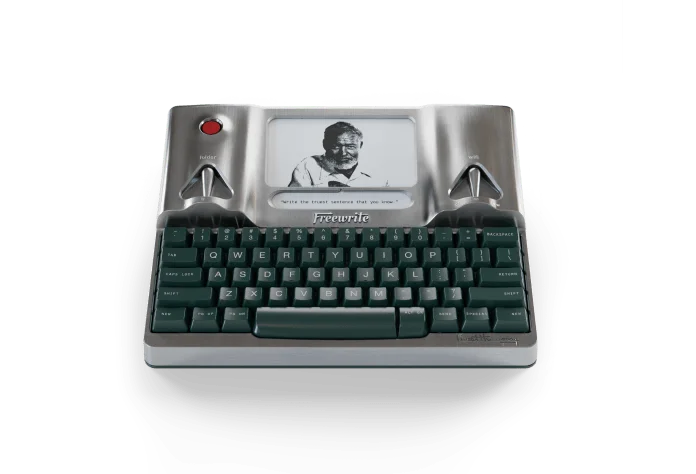
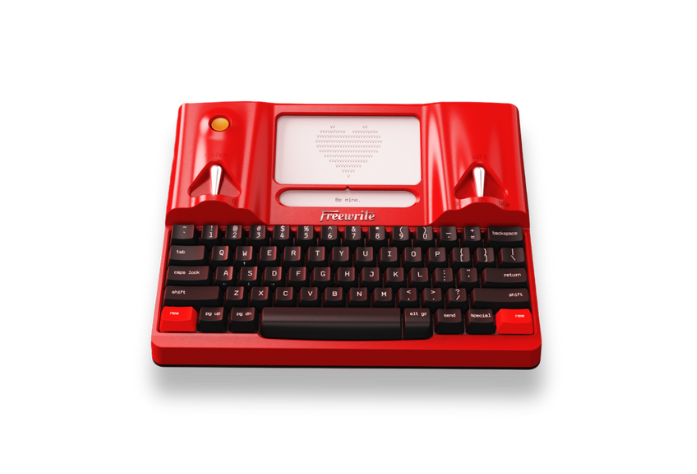
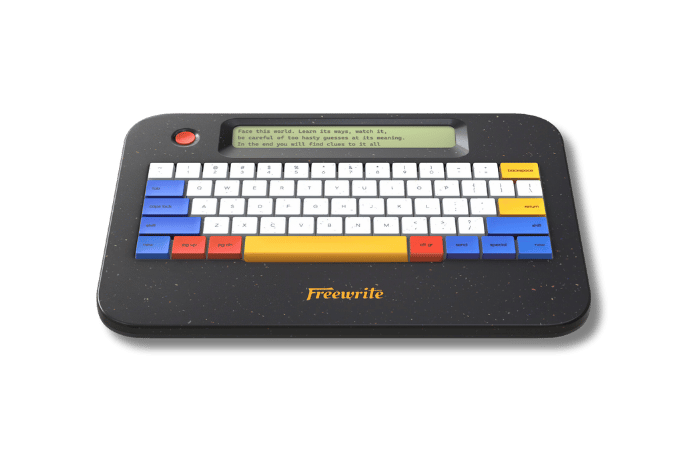
La comunidad de Freewrite está llena de autores y escritores talentosos que han publicado novelas, guiones y más. Este año superaremos los 100 millones de palabras escritas en Freewrite: un hito increíble. Para celebrarlo, lanzamos un concurso de escritura para destacar a los talentosos miembros de la familia Freewrite que nos ayudaron a llegar hasta aquí.
Fecha límite: 18 de junio de 2020 Tarifa: Gratis Premio: Tarjeta de regalo de $250 + artículo de colección sorpresa Ver concurso
2. Concurso de misterio de verano de Inkitt
Estamos en la búsqueda de historias que mantengan a los lectores enganchados con el suspenso, lo que significa que este concurso está abierto a presentaciones de múltiples géneros, como: misterio, suspenso, crimen, fantasía, paranormal urbano, terror y cualquier otro género que mantenga a sus lectores al borde de sus asientos.
Fecha límite: 31 de agosto de 2020 Tarifa: Ninguna Premio: $650 y credencial para libro Ver concurso
3. Concurso de escritura Accenti 2019
El Concurso Anual de Escritura Accenti tiene un tema abierto. Se aceptan múltiples participaciones. El concurso está abierto a obras en prosa de ficción, no ficción o no ficción creativa con una extensión máxima de 2000 palabras. Los ganadores se eligen mediante un juicio a ciegas. Cuatro finalistas conforman la lista corta, de la cual los jueces eligen al ganador. El ganador de la votación popular es el trabajo de los cuatro finalistas que reciba más votos de los lectores de Accenti. Los nombres, biografías y trabajos de los ganadores se publicarán en Accenti en mayo y se informará sobre ellos en el boletín informativo de Accenti. Premio principal: $1000.00 (CAD) y publicación en Accenti. Dos premios adicionales: $100,00 (CDN) cada uno y publicación en Accenti. Premio de votación popular: $100,00 (CDN) y publicación en Accenti.
Fecha límite: 3 de febrero de 2020 Tarifa : $30 Premio : $100 - $1,000 Ver concurso
4. Concurso Nacional de Ensayos de Escuelas Secundarias de la AFSA
El USIP colabora con la Asociación del Servicio Exterior de Estados Unidos (AFSA) en el Concurso Nacional Anual de Ensayos para Estudiantes de Secundaria. Este concurso invita a los estudiantes de secundaria a aprender y escribir sobre temas de paz y conflicto, fomentando el reconocimiento del papel de la diplomacia en la construcción de alianzas que impulsen la consolidación de la paz y protejan la seguridad nacional. En su 22.ª edición, el concurso anima a los estudiantes a reflexionar sobre cómo y por qué Estados Unidos se involucra globalmente en la construcción de la paz, y sobre el papel que desempeña el Servicio Exterior en la promoción de la seguridad nacional y la prosperidad económica de Estados Unidos.
Fecha límite: 6 de abril de 2020 Tarifa: Ninguna Premio: $2,500 + Viaje a Washington DC Ver concurso
5. Maratón de cuentos
Storyathon es un emocionante evento en línea gratuito donde los estudiantes tienen el reto de escribir una historia de EXACTAMENTE 100 palabras. Este evento en línea está dirigido a estudiantes de 3.º a 6.º grado en EE. UU. y Canadá.
Este es más un evento de escritura creativa que un concurso. Nuestro objetivo es que cada niño desarrolle la pasión por la escritura y la narración. El Maratón de Cuentos ya ha tenido una gran acogida, con más de 3000 aulas participantes y más de 40 000 historias creadas hasta la fecha.
Fecha límite: 3 de marzo de 2020 (19:00 hora del este, 18:00 hora del Pacífico central y 16:00 hora del Pacífico). Costo: Ninguno. Premio: Un trofeo del Maratón de Cuentos para el campeón nacional. Un certificado de los 10 mejores del Maratón de Cuentos para las 10 mejores historias, que también se publicará en la Crónica del Maratón de Cuentos. Los finalistas recibirán un certificado digital. Ver concurso.
6. ¡GUAU! Concurso de Ensayos Creativos de No Ficción "Mujeres en la Escritura" 2019
Se buscan ensayos creativos de no ficción sobre cualquier tema (200-1000 palabras) y en cualquier estilo, desde ensayos personales hasta ensayos líricos, híbridos y más. La misión de este concurso es premiar la valentía en la narración de historias reales y fomentar la comprensión de nuestro mundo mediante narrativas reflexivas y atractivas.
Envíos electrónicos únicamente por correo electrónico; se aceptan reimpresiones; envíos simultáneos; envíos múltiples, siempre que se envíen en su propio correo electrónico. Abierto a nivel internacional.
Fecha límite: 31 de octubre de 2019 Costo: $12 Premio: $500 y publicación Ver concurso
7. ¡GUAU! Concurso de Microrrelatos Mujeres Escritoras Otoño 2019
Juez invitada: Agente literaria Cari Lamba de la Agencia Literaria Jennifer De Chiara
Se buscan relatos cortos de cualquier género, de entre 250 y 750 palabras. La misión de este concurso es inspirar la creatividad, la comunicación y un reconocimiento merecido a los concursantes.
Envíos electrónicos únicamente por correo electrónico; se aceptan reimpresiones; envíos simultáneos; envíos múltiples, siempre que se envíen en su propio correo electrónico. Abierto a nivel internacional.
Fecha límite: 30 de noviembre de 2019 Costo: $10 Premio: $400 y publicación Ver concurso
8. Concurso de escritura de otoño de BeAnimal
El objetivo es que los participantes reflexionen profundamente sobre la naturaleza y la sostenibilidad. Nuestra ONG trabaja con la educación ambiental y la preservación de la naturaleza en la India.
- Primer premio: Tour Valle de las Flores (16 días) valorado en 599 euros
- Segundo premio: La experiencia del Himalaya (10 días), valorada en 499 euros.
- Tercer premio - Experiencia Gaia - Retiro de montaña en Kookal (5 días) valorado en 399 euros
Fecha límite: 16 de diciembre de 2019 Tarifa: Ninguna Premio: Ver arriba Ver concurso
9. Premio Libros Inquietos para la Nueva Escritura de Inmigrantes
El ethos del mundo moderno se define por los inmigrantes. Sus historias siempre han sido un componente esencial de nuestra conciencia cultural, desde Isaac Bashevis Singer hasta Isabel Allende, desde Milan Kundera hasta Maxine Hong Kingston. En novelas, cuentos, memorias y obras periodísticas, los inmigrantes nos han demostrado nuestra resiliencia y dedicación, y han ampliado nuestra comprensión de lo que significa ser ciudadanos globales. En estos tiempos de intensa xenofobia, es más importante que nunca que estas historias que trascienden fronteras lleguen al público más amplio posible.
Con esto en mente, nos enorgullece presentar el Premio Restless Books para la Nueva Escritura Inmigrante. Buscamos trabajos extraordinarios e inéditos de escritores emergentes con una escritura aguda y transcultural que aborde la identidad en una era global. Cada año, un distinguido jurado seleccionará un manuscrito ganador para su publicación por Restless Books. Estamos deseando leer y compartir lo que las nuevas voces del mundo tienen que decir.
Fecha límite: 31 de marzo de 2019 Tarifa: Ninguno Premio: $10,000 Ver Concurso
10. Premios Sarton para Libros de Mujeres
Los Premios Sarton para Libros Femeninos se otorgan anualmente a autoras que escriben principalmente sobre mujeres en memorias, no ficción, ficción contemporánea, ficción histórica y literatura juvenil. Los premios se limitan a obras escritas originalmente en inglés y publicadas por editoriales pequeñas o independientes, editoriales universitarias y editoriales independientes (autopublicadas). El programa de premios recibe su nombre en honor a May Sarton, recordada por sus destacadas contribuciones a la literatura femenina como autora de memorias, novelista y poeta.
Fecha límite: 1 de julio de 2019 (inscripción anticipada) Tarifa: $90 (tarifa de inscripción anticipada) Premio: $100 + medallón conmemorativo y consideraciones publicitarias Ver concurso
11. VI Concurso Internacional de Poesía Ó Bhéal Cinco Palabras
El Concurso de Poesía de Cinco Palabras de O Bheal es uno de los más singulares de esta lista. En lugar de celebrarse anualmente o trimestralmente, este concurso se celebra semanalmente. Todos los martes alrededor del mediodía (UTC), desde el 16 de abril de 2019 hasta el 28 de enero de 2020, se publican cinco palabras en la página del concurso. Los participantes tienen una semana para componer y enviar uno o más poemas que incluyan las cinco palabras asignadas para esa semana. Se selecciona un ganador entre todos los ganadores semanales.

Fecha límite: Semanal, hasta el 28 de enero de 2020 Costo: 5 € Premio: 500 € Ver concurso
12. Concurso de Escritores del Futuro de L. Ronald Hubbard
El Concurso de Escritores del Futuro de Ron Hubbard es una oportunidad para que los nuevos escritores de ciencia ficción y fantasía tengan su trabajo juzgado por algunos de los maestros en el campo y descubierto por un público amplio.
Fecha límite: 31 de marzo de 2019 Tarifa: Ninguna Premio: Hasta $5,000 Ver concurso
13. Concurso anual de escritura de Writer's Digest
Writer's Digest lleva más de 80 años destacando a escritores emergentes de todos los géneros a través de su Concurso Anual de Escritura. ¡Participa en nuestro 88.º Concurso Anual de Escritura para tener la oportunidad de ganar y que editores y agentes vean tu trabajo! Se elegirán casi 500 ganadores. Los trabajos más destacados de este concurso también se exhibirán en la Colección del 88.º Concurso Anual de Writer's Digest .
Fecha límite: 6 de mayo de 2019 Tarifa: $25 Premio: $5,000 Ver concurso
14. Premio de Literatura Drue Heinz
El Premio de Literatura Drue Heinz reconoce y apoya a autores de relatos cortos y pone su obra a disposición de lectores de todo el mundo. El premio está abierto a autores que hayan publicado un libro de ficción o al menos tres relatos o novelas cortas en revistas comerciales o literarias.
Los manuscritos son evaluados anónimamente por escritores de renombre nacional. Entre los jueces anteriores se encuentran Robert Penn Warren, Joyce Carol Oates, Raymond Carver, Margaret Atwood, Russell Banks, Rick Moody y Joan Didion.
Los ganadores reciben un premio en efectivo de $15,000, publicación por parte de la University of Pittsburgh Press y apoyo para la promoción de su libro a nivel nacional.
Fecha límite: 30 de junio de 2019 Tarifa: Ninguna Premio: $15,000 Ver concurso
15. Premio de poesía Agnes Lynch Starrett
Establecido en 1981, el Premio de poesía Agnes Lynch Starrett es administrado por la
Prensa de la Universidad de Pittsburgh. Nombrada en honor a Agnes Lynch Starrett, la editorial...
Primer director, el premio se otorga por el primer libro completo de poemas.
El premio consiste en una dotación en efectivo de 5.000 dólares y su publicación por parte de la Universidad de
Pittsburgh Press, como parte de la Serie de Poesía Pitt. La serie está editada por Ed Ochester, quien también es el juez final del concurso Starrett.
Fecha límite: 30 de abril de 2019 Tarifa: $25 Premio: $5,000 Ver concurso
16. Feria del Libro de Miami/Premio De Groot
La Feria del Libro de Miami, la reunión literaria más grande y mejor del país, presentada por el Miami Dade College, se ha asociado con la Fundación de Groot para lanzar el Premio Feria del Libro de Miami/De Groot, que se otorgará a un autor por una novela inédita.
Fecha límite: 30 de abril de 2019 Costo: Ninguno Premio: $6,000 y publicación por Melville House Ver concurso
17. Escribe el mundo
Fundado en 2012 por David Weinstein, Write The World es un programa dedicado al desarrollo de escritores de secundaria. Han creado una comunidad global y un proceso interactivo guiado al que se suscriben miles de jóvenes escritores y educadores.
 Imagen vía: Write the World
Su concurso actual es un concurso de escritura gastronómica. Los escritores de entre 13 y 18 años pueden presentar un ensayo de 600 a 1000 palabras sobre comida. Además de premios en efectivo de hasta $100, los jóvenes escritores recibirán reconocimiento de la comunidad global de Write The World.
Fecha límite: Cuota mensual: Ninguna Premio: Hasta $100 Ver concurso
18. Premio de relato corto ServiceScape 2019
Un llamado a todos los cuentistas: ¿Te interesa obtener más visibilidad y un público más amplio para tu trabajo creativo? ¿Te gustaría recibir un... $1,000.00 USD ¿Tenerlo en el bolsillo sería una gran cosa en este momento?
Si es así, el Premio de Relato Corto de ServiceScape es la manera perfecta de lograr ambos objetivos. Para este premio, se acepta cualquier género o tema de relato corto. Todos los solicitantes deben enviar su obra original inédita de ficción o no ficción, de 5000 palabras o menos, para ser considerada. Además de recibir un premio por $1,000.00 USD . El relato del ganador se publicará en nuestro blog, que llega a miles de lectores al mes. Se aplican reglas y exclusiones.
Fecha límite: 30 de noviembre de 2019 Tarifa: Ninguna Premio: $1,000 Ver concurso
19. Premio de Narrativa 2019
EL PREMIO DE NARRATIVA DE 4.000 DÓLARES Se otorga anualmente al mejor cuento, extracto de novela, poema, obra de un acto, cuento gráfico o trabajo de no ficción literaria publicado por un escritor nuevo o emergente en Narrativo .
El ganador se anuncia cada septiembre y el premio se otorga en octubre. El premio, que menciona el nombre del ganador, el título y el género de la obra ganadora, se publicita ampliamente, y cada ganador aparece en una lista continua en Narrativa . El premio se otorgará a la mejor obra publicada cada año en Narrativo De un escritor novel o emergente, según la opinión de los editores de la revista. En algunos años, el premio puede dividirse entre los ganadores, cuando más de una obra lo merece.
Fecha límite: 15 de junio de 2019 Tarifa: Ninguna Premio: $4,000 Ver concurso
20. Arquitectura del Poder: Concurso de Relatos Cortos
Bienvenidos a 2019; la polarización política es una realidad omnipresente y no parece estar mejorando. Ya sea que vivas en Estados Unidos o en cualquier otro lugar del mundo, nuestros entornos son actores clave en el teatro de la influencia. ¿Qué sucede cuando el diseño se convierte en parte de la ecuación?
Escriba una historia corta que explique cómo la arquitectura y el entorno construido afectan las vidas de las personas en el poder y de aquellos al margen de la sociedad.
Fecha límite: 28 de febrero de 2019 Tarifa: $25 Premio: $500 + Bono Ver concurso
---------
Hay muchas buenas razones para participar en concursos de escritura. En primer lugar, existe la posibilidad de ganar un premio en efectivo. En segundo lugar, que tu nombre aparezca en una revista literaria o una organización de escritores popular puede ayudar a que tu trabajo sea visto.
Dicho esto, antes de lanzarte, asegúrate de leer detenidamente las bases del concurso. Algunos concursos de escritura tienen restricciones regionales, de edad, de género, de etnia y de número de palabras.
Si has encontrado lo que buscabas, ¡no esperes más y ponte a escribir! Los concursos de escritura son una de las mejores maneras para que los escritores presenten su trabajo a un público amplio.
 A Carlton Clark le encanta escribir sobre negocios, béisbol y cultura popular. Es escritor, especialista en marketing y emprendedor. A los 14 años, fundó la empresa de medios ballplayerplus.com . Actualmente, Carlton ayuda a las empresas a compartir sus historias a través de las redes sociales y blogs. Cuando no está escribiendo ni creando contenido, Carlton es entrenador de béisbol juvenil en su escuela secundaria local y toca la guitarra. Puedes encontrarlo en Instagram @itscarltonclark y en Twitter @carlton_mukasa.