overlaylink

The Irish Taught Us to Breathe Between Words

Annie Cosby
mars 16, 2026 | 2 lire la lecture

Picturethis. Areyoureadytolearnsomethingcool? Imaginetryingtoreadawholepageoftextthatlookslikethis. Nospacestoseparateonewordfromthenext.

No pauses. No breath. Just an endless procession of letters that your brain has to untangle.

It's difficult, right? Luckily, we don't have to read that way anymore. And for that, you can thank the Irish.

This "scriptio continua" — continuous script — was the norm in the ancient western world. (Before this continuous script, they sometimes used "interpuncts," or small dots, between words.)

Back then, reading in Latin or Greek was a performance art, meant to be done aloud. It was usually a trained reader interpreting the text for an audience who would hear the words, not see them.

When Christian missionaries arrived in Ireland in the 5th century, they brought manuscripts. But those manuscripts were written in Latin. And Latin was not the native tongue of the Irish.

Irish monks who worked as scribes but were learning Latin from scratch found scriptio continua confusing. Without the intuitive feel for where one Latin word ended and another began, the unbroken text was difficult to understand.

So those monks did something smart.They began inserting small blank spaces between words.We now call this "aerated text."

SCRIPTIO CONTINUA

THISISHOWMOSTLANGUAGESWEREWRITTENLONGAGO.

IRISH MONKS' INTERPRETATION

THIS IS HOW MOST LANGUAGES WERE WRITTEN LONG AGO.

Now, there is some evidence that other languages had used this method before. (Some scholars point to Hittite cuneiform and the Dead Sea Scrolls as examples.) But it is widely accepted that the Irish monks were the first to bring this practice to European languages.

This technique spread through Irish and Anglo-Saxon missionaries across Europe, and by the 9th century, Carolingian scribes had adopted the practice. The rest, as they say, is history. Those spaces we take for granted became universal in Western manuscripts.

Some scholars believe this way of writing helped transform reading from a performative, communal act, to a silent, solitary one. Others disagree.

One thing is for sure:

Every book, every headline, every tweet you've ever read? They all carry the DNA of those baffled Irish monks.

Want to learn more? Check out Space Between Words by Paul Saenger.
juillet 30, 2026 2 lire la lecture

PRESENTED IN COLLABORATION WITH

Calling all micro-fiction storytellers! 🏁

For the second year in a row, Freewrite is teaming up with Grant Faulkner, co-founder of the Flash Fiction Institute and author of The Art of Brevity, to bring you the fastest, most adrenaline-pumping writing event of the year.

Whether you're a seasoned writer or a creative rookie, the Freewrite 500 is your chance to rev up your imagination, write a 500-word story, and win big.

You do not need to own a Freewrite to participate.


Can't view the form? Email us at hello@getfreewrite.com with your name and email address to register.


How It Works

🎟️ Fill out the form above to secure your spot. It's totally free. (You must register to participate.)

📖 Join us for a free mini flash fiction lesson by Grant Faulkner at 1 p.m. ET on Thursday, August 13.

⏱️ At the lesson, we'll announce the prompt for the competition and jump into a community writing sprint to get the creative juices flowing.

🔁 Those who can't make it live can watch the replayand submit before the deadline.

📝 You'll have the weekend to finish and submit your 500-word storybased on the prompt by end of day on Monday, August 17.

✏️ Our judging panel, led by Faulkner and made up of writers from the Freewrite team and the Flash Fiction Institute, will judge each piece based on: length (500 words), relevance to the prompt, and creativity.

🥇 NEW THIS YEAR: The panel will select three finalists, and then announce one grand prize winner.

All work must be submitted by 11:59 p.m. EST on Monday, August 17.

The Prize Pack

One winner will receive:

  • Publication on the Freewrite blog and Flash Fiction Institute blog
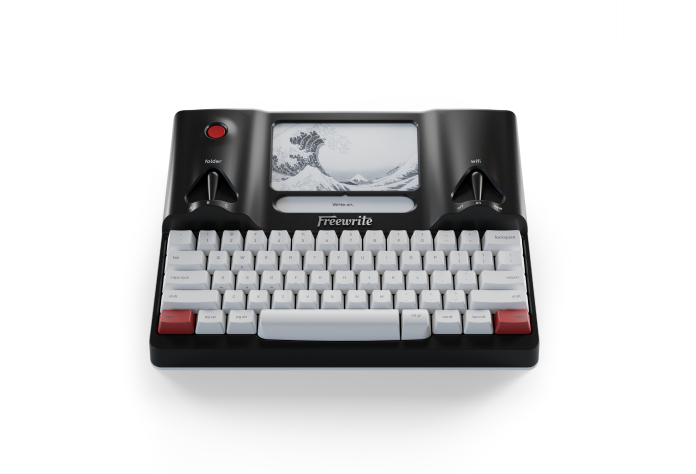
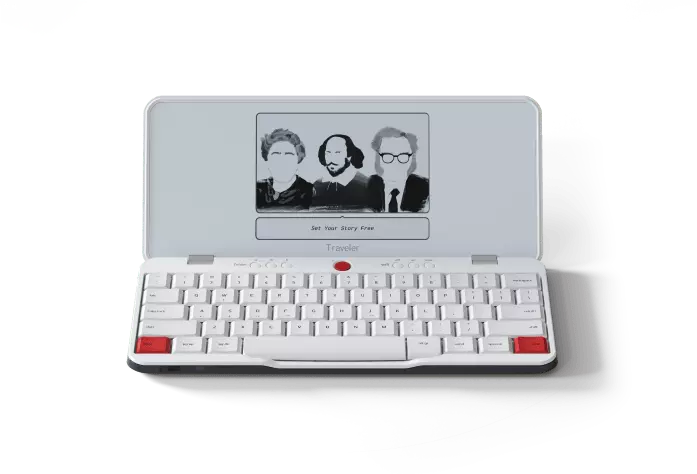
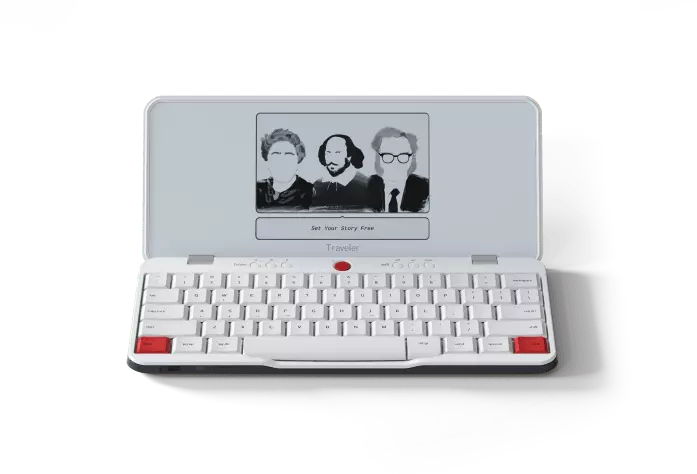
  • 1 Freewrite Traveler
  • 1 hour-long one-on-one coaching session with Grant Faulkner
  • 1 free Flash Gym session with the Flash Fiction Institute
  • 1 Words Are Hard prompt deck
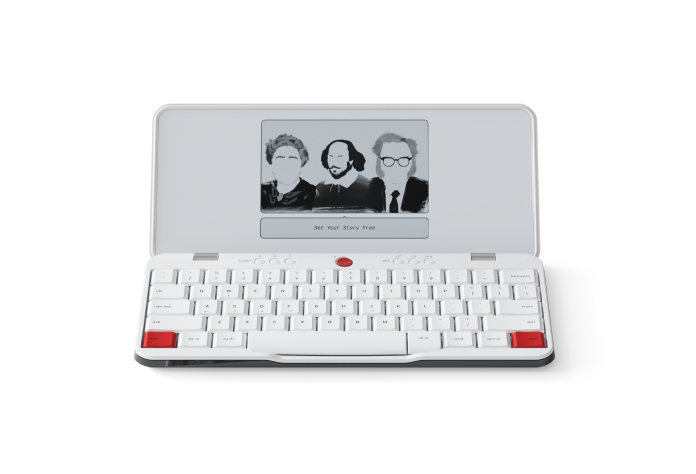
  • A paperback copy of Set Your Story Free, the ultimate guide to freewriting
  • A digital copy of the opening chapter of Grant Faulkner's book, The Art of Brevity

Second and third place writers will each receive:

  • Publication on the Freewrite blog and Flash Fiction Institute blog
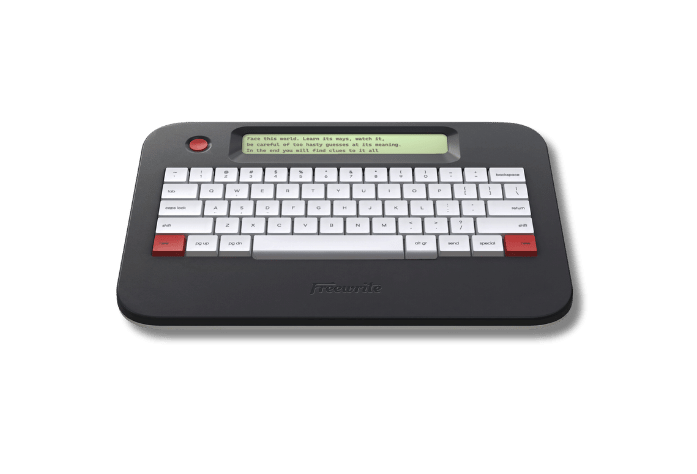
  • 1 Freewrite Alpha
  • 1 free Flash Gym session with the Flash Fiction Institute
  • Words Are Hard prompt deck
  • A paperback copy of Set Your Story Free, the ultimate guide to freewriting
  • A digital copy of the opening chapter of Grant Faulkner's book, The Art of Brevity

The Schedule

  • Thursday, Aug 13: Lesson & prompt announcement
  • Monday, Aug 17: Submissions deadline
  • Monday, Aug 31: Finalists announced
  • Monday, September 7: Grand prize winner announced

Questions? You can reach us at hello@getfreewrite.com.

Write on.

The Freewrite 500 Pit Crew 🏁 

Full contest terms and conditions

juillet 29, 2026 1 lire la lecture

Scroll down for the answer key.


Short answer: Anything!

juillet 21, 2026 2 lire la lecture

We're thrilled to introduce you to the winner of our Journey to a BillIon Words Giveaway: author P.L. McMillan.