
Muchas personas en todo el mundo usan la escritura y el diario como herramienta para examinar sus pensamientos internos e incluso como catarsis. Pero a menudo, escribir no es suficiente.
Nos comunicamos con Maria Beatrice Alonzi, autora de Non Voglio Più Piacere a Tutti (“Ya no quiero complacer a todo el mundo”), para conversar sobre la intersección de la escritura y la salud mental.
¿Cómo es tu vida como escritor?
Escribir es fundamental en mi vida. Cada año publico un libro que suele abordar temas de salud mental. Mi último libro de no ficción, Tu non sei i tuoi genitori ("Ustedes no son sus padres") fue lanzado por Sperling & Kupfer el 3 de octubre.
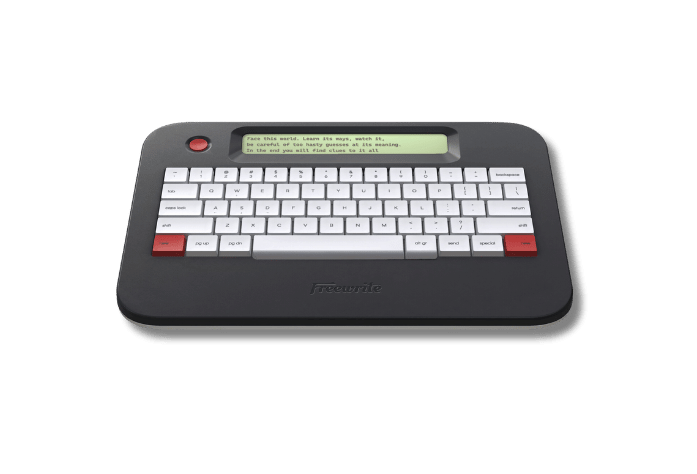
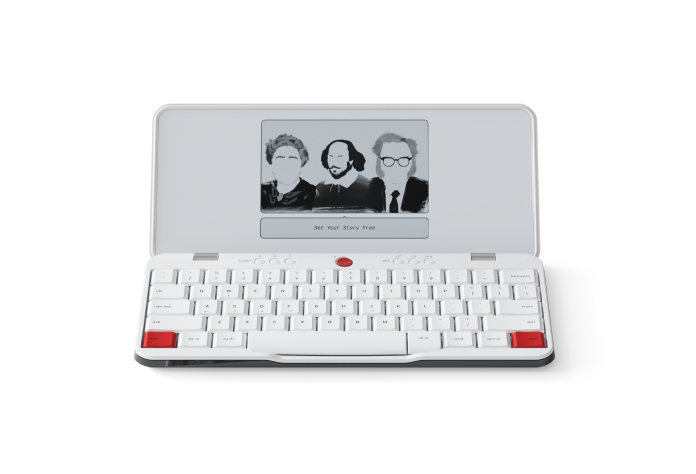
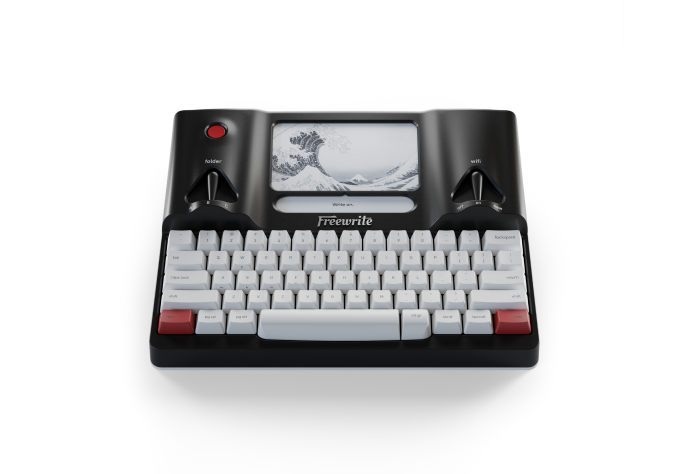
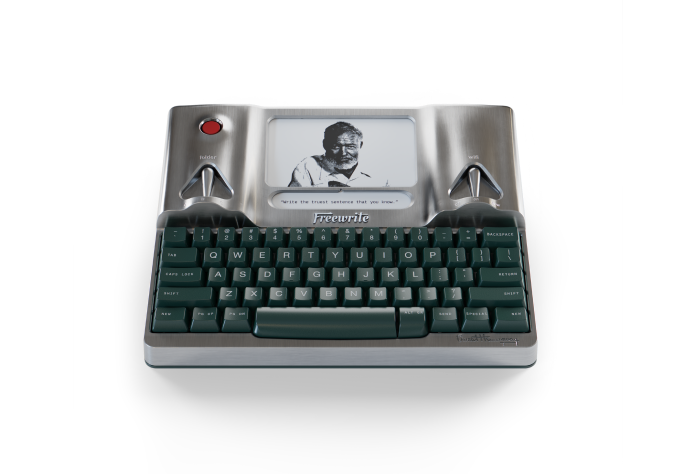
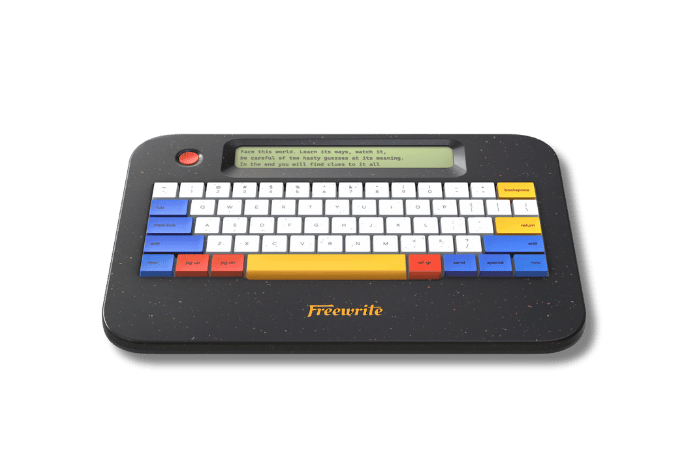
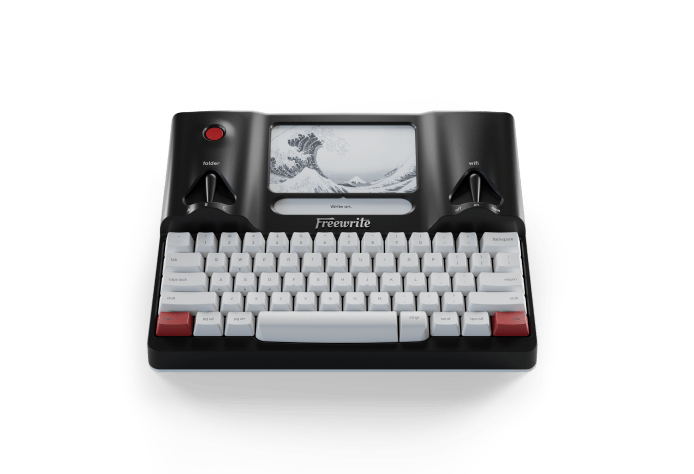
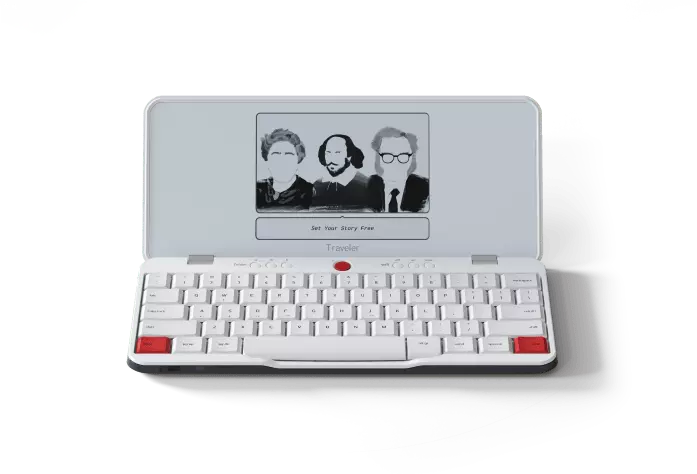
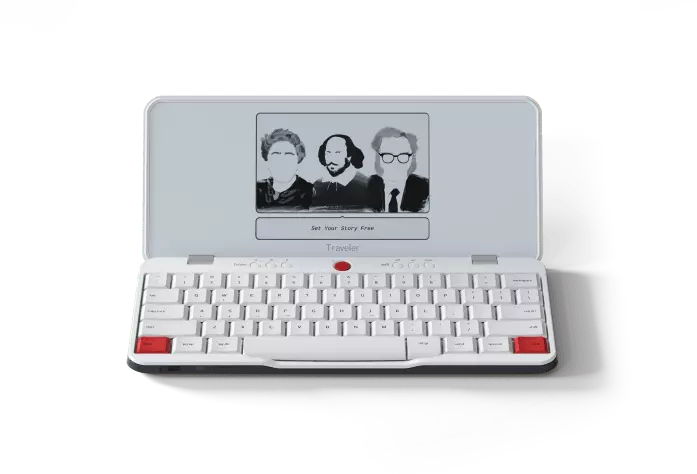
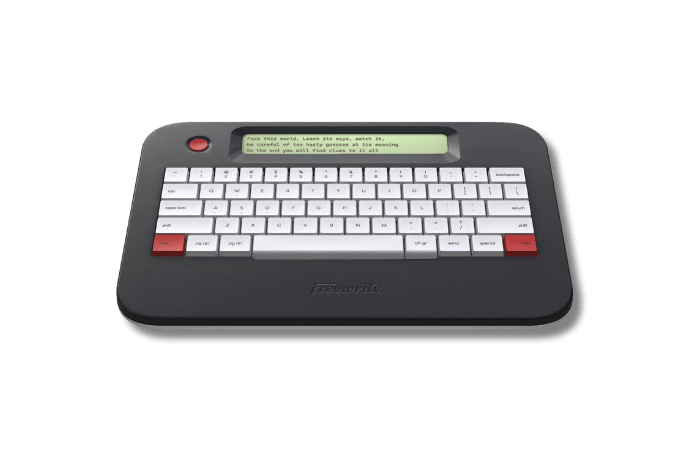
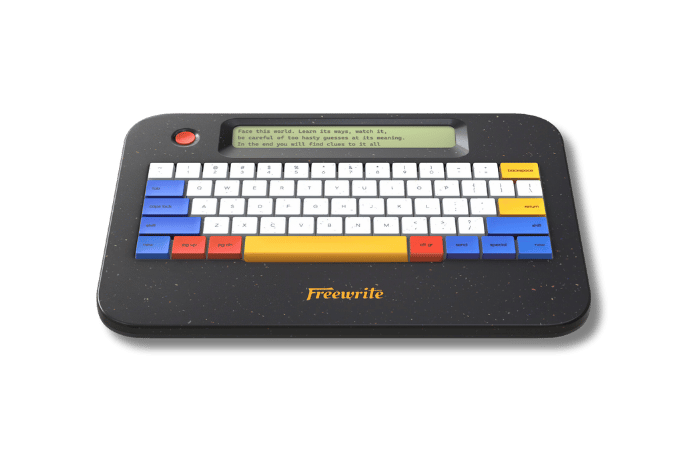
La mayor parte de mis escritos buscan desestigmatizar la salud mental, un mensaje que refuerzo a través de mis redes sociales. Incluso mi primera obra de ficción, Noi, Parola di Tre Lettere ("Una palabra de tres letras"), publicada por Salani, analiza el trauma intergeneracional en las familias y los inquietantes esfuerzos que las personas hacen para integrarse. Fue escrita íntegramente en mi Traveler.
Cuéntanos sobre tu proceso de escritura.
Escribo todos los días. Escribir también forma parte de mi trabajo diario. Ya sea coordinando con varios departamentos de mi empresa la redacción y la publicidad para mis clientes, o redactando el siguiente capítulo de un libro, escribir es una práctica diaria para mí. Es la forma más precisa que conozco de expresar mis pensamientos y, por lo tanto, conectar con todos de una manera específica. Es una parte irremplazable de mi vida.
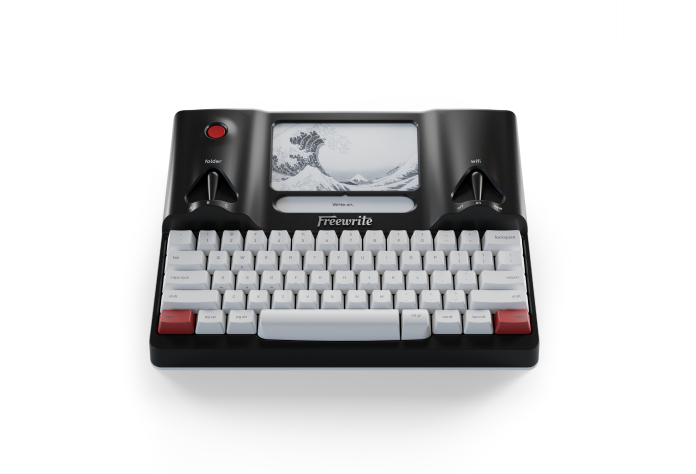
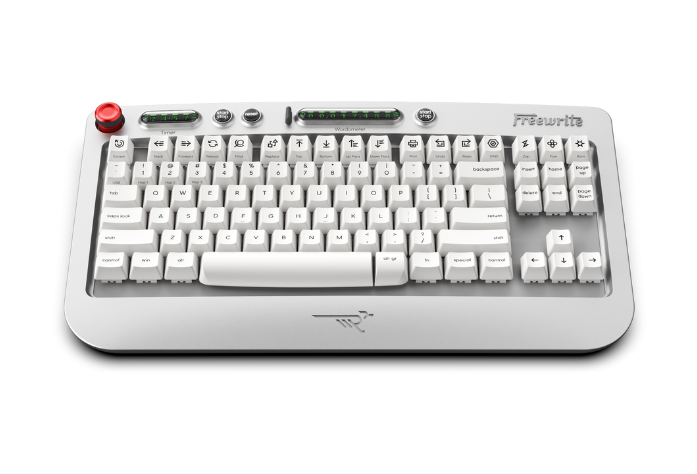
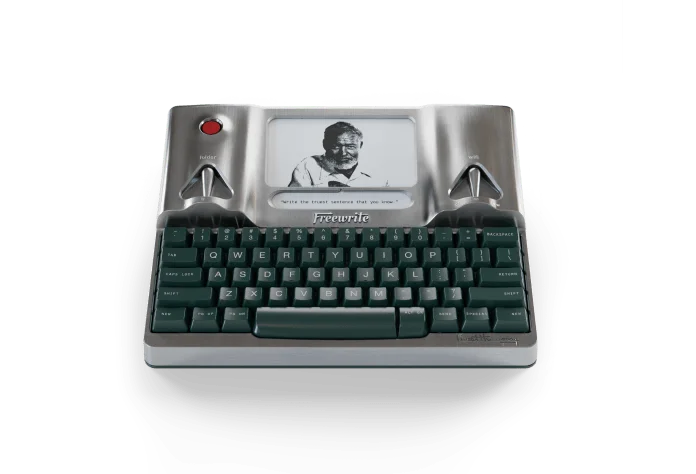
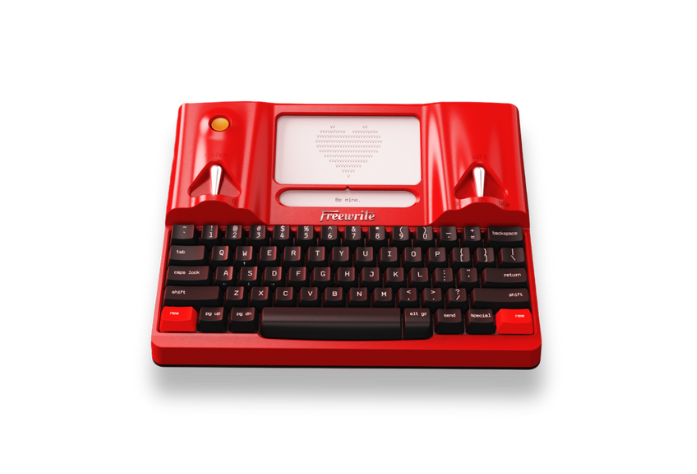
Para mis libros, sigo un ritmo de escritura intenso, completando borradores de unas 50.000 palabras en un plazo de tres a cuatro meses. Mi Freewrite Traveler me ayuda a mantener la concentración y a resistir la tentación de editar antes de tiempo.
Traveler también facilita la escritura en cualquier lugar. Escribí el borrador de mi primera novela en Traveler y suelo editarla con Ulysses en mi ordenador. Actualmente, estoy trabajando en una nueva novela que se publicará en 2024.
¿Cómo afecta la escritura a tu salud mental?
La escritura y la salud mental están entrelazadas en mi vida de forma compleja. Con una sólida formación en estudios de salud mental, afronto la vida con plena conciencia de su impacto en mi bienestar psicológico. Sin embargo, creo que es crucial enfatizar que el paso más importante para el bienestar mental es buscar ayuda profesional.
En Italia, donde resido, el sistema sanitario ofrece servicios de salud mental a sus ciudadanos (no siempre accesibles ni en todo el país, pero aun así es algo). Mi defensa de la salud mental tiene como objetivo reducir el estigma y concienciar a la gente, para que acuda a terapia. Nada puede sustituir la atención profesional.
Así que mi bienestar mental recibe un seguimiento constante de un profesional de la salud. Para mí, escribir es una extensión de la autoconciencia que he cultivado en terapia. También me permite comunicarme mejor con los demás, lo que, en última instancia, me sirve como plataforma para la defensa de mis intereses.
¿Tiene algún consejo para otros escritores que luchan con problemas de salud mental?
Para quienes aspiran a escribir y buscan mejorar su salud mental, tengo esto que decir: escribir puede ser un alivio, pero no debería sustituir la atención profesional en salud mental. Cuando se enfrenta a un dolor emocional sin resolver, su primera visita debería ser a un terapeuta cualificado, no a una editorial.
Mi recomendación es que conozcas y metabolices tu propio dolor antes de intentar abordarlo a través de la escritura. Una vez que domines tu estado mental, escribir puede convertirse en una forma significativa de compartir tus experiencias con los demás . A través de tu propia narrativa, sin duda podrías aportar un valor incalculable a los lectores, ofreciendo una perspectiva humana y compasiva sobre los desafíos que todos enfrentamos en nuestra salud mental.
Pero primero asegúrate de estar bien. Priorizar el bienestar mental puede enriquecer sin duda la escritura y, aún más importante, la calidad de vida.
¿Dónde pueden los lectores encontrar tu trabajo?
Mi obra está escrita en italiano, pero pronto será del agrado de algunos públicos internacionales. Non Voglio Più Piacere a Tutti (“Ya no quiero complacer a todos”), publicado por Vallardi . Noi, Parola di Tre Lettere ("Una palabra de tres letras") se está adaptando para la pantalla, e Il Libricino della Felicità (" El pequeño libro de la felicidad) estará disponible en inglés y francés.
¿Hay algo más que los lectores deberían saber sobre usted?
Tengo una perra rescatada de siete años, Olivia, y un novio actor talentoso, Francesco. También dirijo, actúo y me enorgullece preparar un martini perfecto.
—

Maria Beatrice Alonzi es autora de libros superventas a nivel mundial y estratega empresarial. Tiene una maestría en Ciencias Humanísticas y un doctorado en Análisis de la Comunicación No Verbal. A lo largo de los años, ha contribuido a la formación de figuras clave del emprendimiento digital y el panorama artístico italiano, incluyendo a algunos de los artistas, creadores y emprendedores más reconocidos del país. Está comprometida con el actor Francesco Guglielmi y vive en Roma con su perra, Olivia.
Siguela en Instagram @mariabeatrice .