overlaylink

Cómo escribir canciones exitosas en Freewrite: una entrevista con JP Saxe

Annie Cosby
agosto 19, 2024 | 10 lectura mínima

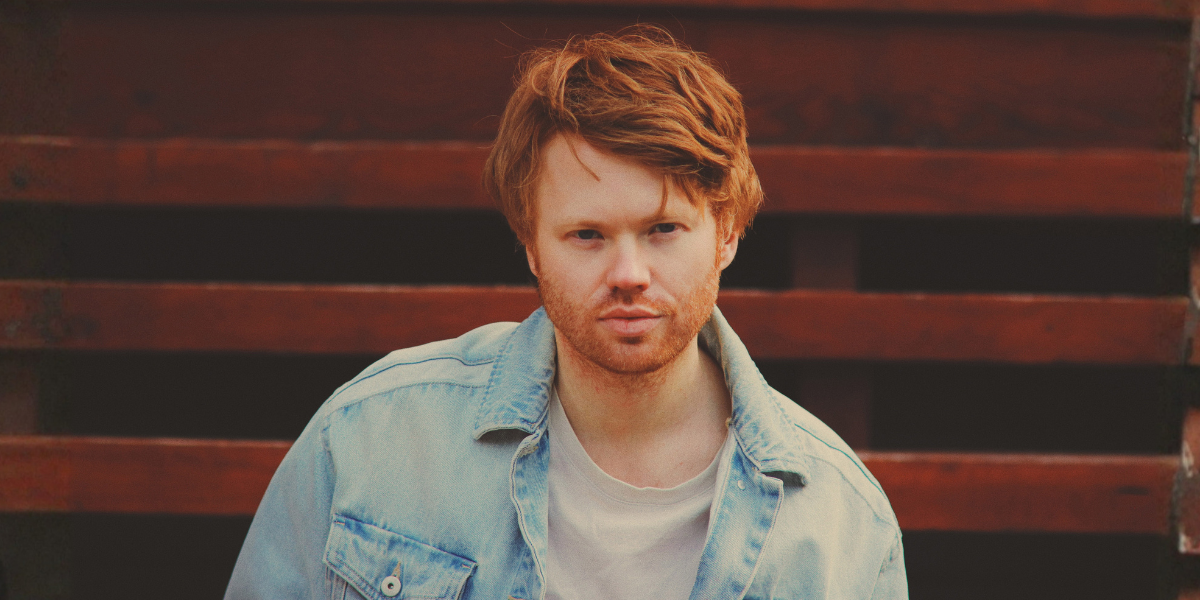
Las letras de las canciones más populares de JP Saxe parecen más poemas que melodías del Top 40.

Resulta que hay una razón para eso.

Este compositor nominado al Grammy encontró su primera comunidad en Los Ángeles en Da Poetry Lounge , donde conoció y se hizo amigo de poetas de buena fe como Tonya Ingram , Alyesha Wise , Cuban Hernandez y Edwin Bodney , nombres que recita con reverencia.

Y esa comunidad ha dado lugar a una vibrante carrera en la composición de canciones, incluido este hito reciente que JP compartió en Instagram: sus canciones se han reproducido mil millones de veces en Spotify.

Sus canciones han sido reproducidas mil millones de veces en Spotify.

Es difícil visualizar esa cifra, pero sus otros logros son un poco más fáciles de comprender:

Su éxito " If the World Was Ending ", coescrito y en colaboración con Julia Michaels , fue nominado a un Grammy. Tras una gira de 30 conciertos como telonero del legendario John Mayer , JP realizó su propia gira de 70 conciertos como cabeza de cartel que lo llevó por todo el mundo. Ha compuesto canciones con artistas como Sabrina Carpenter , y " Wish You the Best ", compuesta con Lewis Capaldi , alcanzó el número uno en el Reino Unido.

Entonces, ¿cómo hace un compositor poético para convertir sus pensamientos y emociones en éxitos que lideran las listas de éxitos?

La respuesta corta: escritura libre .

Continúe leyendo para conocer la respuesta larga mientras profundizamos en los detalles del proceso creativo de JP...

ANNIE COSBY: ¿Entonces es seguro decir que tu principal inspiración es la poesía?

JP SAXE: La mayoría de mis escritores favoritos son poetas. Creo que el secreto de mi carrera ha sido buscar la aprobación de los poetas, no de otros compositores.

Porque cuando aspiro a la perspectiva de los poetas, simplemente escribo de una manera muy diferente.

Mira, me encantan los compositores, así que no quiero hablar mal de ellos. Pero como compositor, puedes esconder algo de mierda en una melodía bonita y la gente la comprará. Puede ser agradable de escuchar.

Como poeta, tienes menos tras qué esconderte. Solo eres tú y tu sinceridad, y la forma en que la expresas. Me encanta la simplicidad de eso como forma de arte.

Mi primera comunidad cuando me mudé a Los Ángeles fue Da Poetry Lounge, ubicado en el Teatro Greenway Court. Si eres escritor y lees esto en Los Ángeles, te recomiendo encarecidamente que vayas.

Esos poetas se han convertido en mi familia y realmente me han impulsado a ser mejor escritor. Porque si hago algo flojo o artificial, no les importa lo bonito que suene.

Si hago algo perezoso o artificial, [a los poetas] no les importa lo bonito que suene.

AC: ¿Qué tipo de escritor te consideras?

JP: Profesionalmente, soy compositor. Es el único tipo de escritura por el que me han pagado. Pero creativamente, simplemente me considero un escritor.

Me encuentro y me expreso a mí mismo quién soy a través de la escritura. En más sentidos que solo con canciones.

AC: ¿Cómo empezaste a escribir?

JP: Escribir canciones fue el primer lugar donde aprendí lo que significaba tener una buena relación conmigo mismo. De joven, me desagradaba bastante, como creo que suele ocurrirles a los jóvenes. Porque cuando te ves a través de la sociedad que te rodea, hay muy pocas versiones de una persona que parezcan aceptables.

Y fue sentarme frente a un piano o una guitarra con un diario y escribir canciones cuando entendí por primera vez lo que se sentía al verme a mí mismo y gustarme.

Cuando te ves a través de la sociedad que te rodea, hay muy pocas versiones de ser una persona que parezcan aceptables. Y fue sentándome al piano o a la guitarra con un diario y escribiendo canciones donde comprendí por primera vez lo que se sentía al verme y gustarme.

Para mí, la magia de la composición y la expresión creativa en general es, en mi experiencia, una herramienta de autocomprensión. Pero como somos mucho menos únicos de lo que creemos, cuando te encuentras a ti mismo en tu arte, otras personas también se encuentran en él.

Esa fue una revelación crucial para mí hace unos años: que lo que hacía que mi escritura fuera efectiva para los demás no era lo que me hacía única, sino lo que me hacía básica. Y que había un gran poder en la expresión de mi esencia.

AC: ¿Siempre escribes para ti primero?

JP: Generalmente el primer formato en el que escribo es simplemente escritura libre.

AC: ¡Sabes que nos encanta escuchar eso!

JP: Sí. Me sentaré con un diario y vomitaré mi corazón sobre una página.

AC: *risas* ¿Tienes derechos de autor para "heart-barf"?

JP: Debería, llegados a este punto. He usado esa terminología en varios medios, incluidas las camisetas.

Pero sí, la escritura libre suele ser el comienzo del proceso. Primero, simplemente tengo que vomitar sobre una página, dejar que las palabras fluyan, y luego puedo repasar con mentalidad de editor y determinar si estoy escribiendo canciones, poemas o lo que sea.

Por supuesto, si voy con otro artista al estudio, eso es un poco diferente porque está orientado a un formato específico o a la perspectiva de una persona específica.

Me sentaré con un diario y vomitaré lo que me llega del corazón sobre una página.

AC: Escribes letras muy emotivas. ¿Tienes que estar en cierto estado mental para eso, o puedes sentarte en medio del aeropuerto y vomitar?

JP: Bueno, tengo dos respuestas para eso.

En primer lugar, descubro que soy más honesto antes de pensar en quién lo leerá. Por eso, al empezar, intento no pensar en el propósito de la escritura. Me permite ser más sincero cuando no tengo en mente a un lector o un oyente.

Algo que he estado notando últimamente es que me estoy topando con las ideas que más me interesan después de haber comenzado a escribir cuando no tenía ganas.

Casi como si cuando tengo ganas de escribir, es porque hay ideas más superficiales. Pero cuando no tengo ganas y lo hago de todos modos, las ideas a las que llego estaban enterradas un poco más abajo. No querían salir con tanta fuerza y, por lo tanto, son más intrigantes.

Me voy encontrando con las ideas que más me interesan después de haber empezado a escribir cuando no tenía ganas.

AC: Qué interesante. Es casi como si, cuando te apetece escribir, tu subconsciente ya tuviera una agenda.

JP: Sí, mis cosas favoritas que he escrito recientemente sucedieron cuando comencé a escribir cuando no quería hacerlo.

AC: Recuerdo haber leído una entrevista contigo en la que mencionaste a Fleabag y una cita de Phoebe Waller-Bridge que decía, y esto está parafraseado, si te asusta, tiene que estar en la edición final.

JP: Totalmente. Vi esa entrevista por la época de mi primer álbum. Hay una canción de mi primer álbum que se mantuvo en la lista de canciones gracias a esa entrevista.

Me identifiqué mucho con eso. Sabes, Fleabag es uno de mis programas favoritos de todos los tiempos. Genial.

AC: ¡El sacerdote sexy!

JP: Personajes fenomenales e icónicos. En general, creo que ser escritor es una gran bendición y estoy muy agradecido de ello, así que si voy a lo seguro con mi temática, le estoy haciendo un flaco favor.

Todo trabajo conlleva riesgos profesionales. Si sueñas con ser jugador de hockey, aceptas que podrías desarrollar encefalopatía traumática crónica (ETC) o perder algunos dientes.

Si tienes la bendición de ser escritor, aceptas que, a veces, la gente verá más de ti de lo que te resulta cómodo.

Si tienes la bendición de ser escritor, aceptas que, a veces, la gente verá más de ti de lo que te resulta cómodo.

AC: ¿Siempre te pareció bien eso o tuviste que aprender a acostumbrarte?

JP: Creo que llegué a la conclusión de que intentar formular mi identidad era mucho menos emocionante que intentar desentrañarla.

AC: Eso es interesante, especialmente en el contexto de nuestra escena musical moderna, donde se ven muchos personajes creados y preempaquetados.

JP: Bueno, a veces se trata de una personalidad que surge como mecanismo, un mecanismo para transmitir algo descubierto. Creo que hay una distinción sutil, pero que resulta muy significativa.

Por ejemplo, uno de mis artistas favoritos ahora mismo es Chappell Roan . Y, obviamente, hay una declaración artística muy creativa y formulada, pero muy sincera. Parece derivada de una experiencia humana, pero la han capturado de una manera que realza esa sinceridad en lugar de disimularla.

AC: ¡Me alegra que hayas hecho esa distinción! Me encanta Chappell Roan. ¡Vamos, Missouri! Ambos somos del Estado de la Música. Trabajas a menudo con colaboradores, ¿verdad?

JP: Me encanta escribir en equipo. Creo que a menudo existe la mentalidad de que escribir de forma independiente tiene más valor, y yo no comparto esa idea.

En todo caso, creo que coescribir realmente eleva el trabajo. Creo que es tan complejo saber cómo manejar múltiples voces creativas en una sala como expresar la propia.

Me encanta escribir como deporte de equipo.

AC: Es increíble escuchar eso, porque eso es precisamente lo que intentamos hacer en Freewrite: elevar la idea de escribir en comunidad. Escribir es tradicionalmente un ejercicio muy solitario, pero no tiene por qué serlo.

JP: Hay mucho en la escritura de películas y televisión que creo que está un par de pasos por delante de la composición de canciones.

AC: ¿Te gusta la sala de escritores?

JP: Sí, los guionistas de televisión lo saben. Es un concepto muy arraigado que los guionistas colaboren en un guion.

AC: Diría que la publicación de libros está aún más atrasada en ese aspecto que la composición de canciones. ¿Cómo es tu proceso creativo? ¿Siempre estás escribiendo y grabando?

JP: Tengo que compartimentar un poco. Hay tres partes principales de mi carrera y me resulta muy difícil hacer bien más de una a la vez.

Esas tres cosas son: hacer giras y actuar; escribir y crear; y generar audiencia y hacer marketing.

Por supuesto, las tres cosas están interrelacionadas, pero para poder hacer cualquiera de ellas muy bien, solo puedo priorizar completamente una de ellas a la vez.

AC: Interesante. Ya estás de gira y escribiendo, ¿verdad?

JP: Sí, estoy muy metido en esto ahora mismo. Tengo una semana de escritura próxima, en la que estaré con coguionistas y en el estudio todos los días.

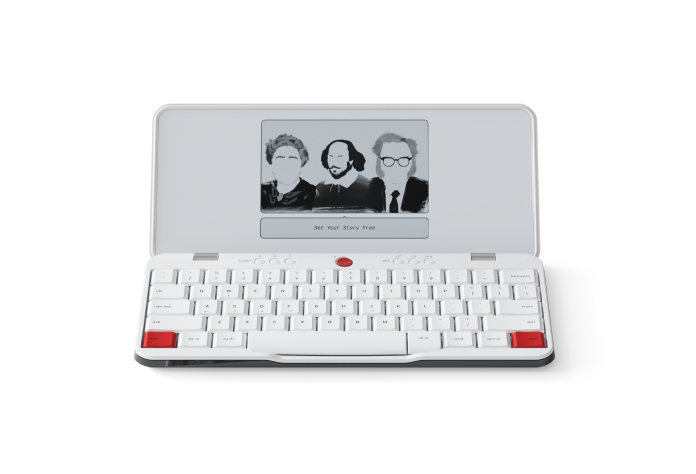
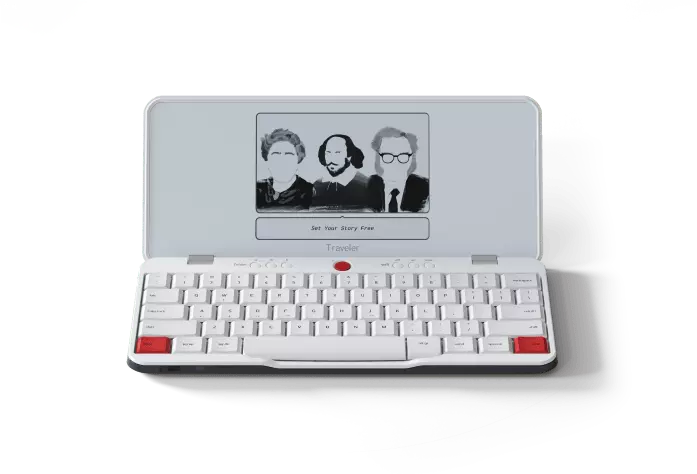
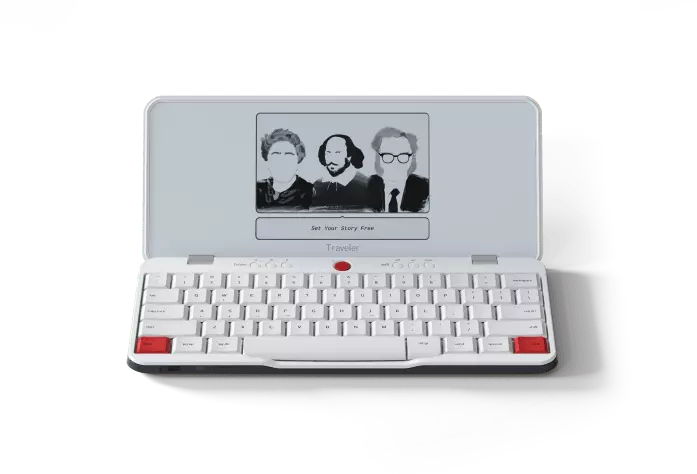
Así que actualmente utilizo mi Traveler todos los días para vomitar desde el corazón, como una forma de crear mi material fuente para esas sesiones.

Simplemente haré páginas y páginas y páginas de sentimientos, pensamientos, exploraciones, historias e ideas sin editar ni refinar, mirando lo que ya he escrito, tratando de descubrir qué piezas faltan en el espectro emocional que estoy tratando de capturar en este álbum.

Y luego, unos días antes de esas sesiones, lo leo todo. Si algo me parece interesante, lo tomo y lo profundizo, ya sea por mi cuenta o con otros escritores en nuestras sesiones de escritura.

Y así es como empieza a tomar forma, algo que el oyente puede asimilar.

Así que actualmente uso mi Traveler todos los días para vomitar, como una forma de crear mi material fuente para esas sesiones [de co-escritura].

AC: Yo, que no soy compositor, nunca había pensado que la composición de canciones tuviera la misma división que la prosa: primero escritura o escritura libre, y luego trabajo de estudio como edición.

JP: Creo que todo escritor sabe lo diferente que es la sensación entre la mente creativa y la mente editora. Necesito separar ese proceso porque, literalmente, me siento diferente como editor que como creador.

Tengo que empezar sin pensar en quién lo lee, quién lo escucha, para quién es, cuál es la melodía… Sólo tengo que ponerlo ahí.

Creo que todo escritor sabe lo diferente que es la sensación entre el cerebro creativo y el editor. Necesito separar ese proceso porque, literalmente, me siento diferente como editor que como creador.

AC: ¿Entonces eso fue lo que te atrajo de Freewrite?

JP: Sí. Y creo que parte de la diversión de ser escritor también es romantizar la vida de escritor.

Cuando me siento en la azotea de un café en Lima, Perú, y escribo en Traveler, ese es un momento diferente a estar allí arriba con un iPad; estuve en Lima de gira, y este es un momento real que estoy describiendo.

Me senté en la azotea de una cafetería-galería espectacularmente romántica en Barranco, un barrio de Lima, y ​​mientras escribía, entablé una conversación con un grupo de personas que parecían amables y estaban sentadas a mi lado. Resultaron ser coreógrafos, artistas y bailarines. Y entonces me preguntaron: "¿Qué es eso que estás escribiendo?". Y yo les respondí: "Es una máquina de escribir digital".

Y luego se lo enseño y me preguntan: "¿Qué estás escribiendo?". Se lo entrego y lo están leyendo en la azotea. Y entonces aparece alguien con una guitarra.

Y hubo un momento en ese tejado que nunca olvidaré, donde éramos unos diez. A un lado, alguien me dibujaba un retrato, mientras yo, al otro lado de la dinámica social, escribía. Y todos en el centro reían, bebían y hablaban. Era una simbiosis entre representar creativamente el momento y estar presentes en él.

Era la vida y el arte tan entrelazados en aquella azotea de Lima.

Y si estoy pintando ese cuadro, como si estuviera escribiendo esa escena en una película, o lo estoy pintando para ponerlo en una pared, un iPad es una monstruosidad.

AC: ¿Vamos a tener una canción sobre esa azotea?

JP: Probablemente. La cantidad de entradas de diario que ocurrieron en esa azotea es… La relación palabra-ubicación en esa azotea es probablemente mayor que en cualquier otro lugar del mundo en este momento.

AC: Última pregunta: ¿Cuál es tu consejo número uno para los aspirantes a compositores?

JP: Escribe tantas canciones malas como puedas. Si pasas un mes intentando escribir una buena canción, creo que es menos probable que consigas algo que te encante que si escribes una canción mala todos los días durante un mes.

Creo que la mala escritura es el caldo de cultivo para la buena escritura. Y si no tienes un montón de basura lo suficientemente grande, lo bueno no puede crecer de ahí.

Creo que la mala escritura es el caldo de cultivo para la buena escritura. Y si no tienes un montón de basura lo suficientemente grande, lo bueno no puede crecer de ahí.

AC: Ya lo oyeron aquí primero, amigos: escriban más mierda.

Encuentra la música de JP donde quieras escucharla: Spotify | Apple | YouTube
noviembre 29, 2025 4 lectura mínima

The Great Freewrite Séance: A Ghost'ly Charity Auction Full Terms & Conditions

These Terms and Conditions (“Terms”) govern participation in The Great Freewrite Séance: A Ghost'ly Charity Auction (“Auction”), organized by Freewrite (“Organizer,” “we,” “us,” or “our”). By registering for, bidding in, or otherwise participating in the Auction, you (“Participant,” “Bidder,” or “Winner”) agree to be bound by these Terms.

1. Auction Overview

1.1. The Auction offers for sale a limited number of Freewrite Traveler Ghost Edition units (“Items” or “Ghost Traveler units”), each personally signed and drawn on by a featured author.

1.2. All proceeds, net of explicitly disclosed administrative costs, will be donated to the charity or charitable initiative (“Charity”) identified on each auction item’s page, as chosen by the respective author.

2. Eligibility

2.1. Participants must be at least 18 years old or the age of majority in their jurisdiction, whichever is higher.

2.2. Employees of Freewrite, the participating authors, or any affiliates directly involved in the Auction are not eligible to bid.

2.3. By participating, you represent that you are legally permitted to take part in online auctions and to pay for any bids you win.

3. Auction Registration

3.1. Participants must create an account on the auction platform or otherwise register using accurate, current, and complete information.

3.2. Freewrite reserves the right to verify identity and to disqualify any Participant who provides false or misleading information.

4. Bidding Rules

4.1. All bids are binding, final, and non-retractable.

4.2. Bidders are responsible for monitoring their bids; Freewrite is not liable for missed notifications or technical issues on the auction platform or the Participant’s device.

4.3. Freewrite reserves the right to:

  • set minimum bids or bid increments;
  • reject bids deemed in bad faith or intended to disrupt the Auction;
  • extend, pause, or cancel the Auction in case of technical difficulties, fraud, or events beyond reasonable control.

5. Winning Bids and Payment

5.1. The highest valid bid at the close of the Auction is the Winning Bid, and the corresponding Participant becomes the Winner.

5.2. Winners will receive payment instructions and must complete payment within 48 hours of the auction’s close unless otherwise stated.

5.3. Failure to complete payment on time may result in forfeiture, and Freewrite may offer the Item to the next highest bidder.

5.4. Accepted payment methods will be listed on the Auction platform. All payments must be made in the currency specified.

6. Item Description and Condition

6.1. Each Ghost Traveler unit is authentic, and the signatures, doodles, and messages are original works created by the participating author. These are authors, not artists. By bidding on the Item, you acknowledge that you are receiving a one-of-a-kind unit marked with unique art and messages and you agree to these terms and conditions.

6.2. Because Items are customized and signed by hand, variations, imperfections, or unique marks are to be expected. These are considered part of the Item’s character and not defects.

6.3. Items are provided “as-is” and “as-available.” Freewrite makes no warranties of merchantability or fitness for a particular purpose.

7. Shipping & Delivery

7.1. Shipping costs, import duties, and taxes may apply unless explicitly stated otherwise.

7.2. Freewrite will make reasonable efforts to ship Items within the estimated timeline but cannot guarantee delivery dates.

7.3. Title and risk of loss transfer to the Winner upon delivery to the carrier.

7.4. Freewrite is not responsible for delays, damage, or loss caused by the courier or customs agencies.

8. Charity Donation

8.1. Net proceeds from the Auction will be donated to the Charity designated on each Item page.

8.2. Donation amounts and recipients may be disclosed publicly unless prohibited by law.

8.3. Winners acknowledge that they are purchasing Items, not making a tax-deductible donation to Freewrite; therefore, Winners will not receive charitable tax receipts unless Freewrite explicitly states otherwise in compliance with applicable laws.

9. Intellectual Property

9.1. All trademarks, brand names, product names, and creative materials associated with Freewrite and the Ghost Traveler remain the exclusive property of Freewrite or their respective rights holders.

9.2. Participants may not reproduce, distribute, or publicly display the authors’ doodles without permission where such rights are applicable, except as allowed by law (e.g., resale of the physical Item).

10. Privacy

10.1. By participating, you consent to Freewrite’s collection, use, and storage of your personal data in accordance with our Privacy Policy.

10.2. Freewrite may publicly announce auction results, including Winner’s first name, last initial, city, state/country, and winning bid amount unless prohibited by law or unless you formally request anonymity when possible.

11. Prohibited Conduct

Participants may not:

  • engage in bid manipulation, fraud, or collusive bidding;
  • use automated systems (bots, scripts, scrapers) to place or monitor bids;
  • interfere with the Auction, platform, or other participants

Freewrite may ban or disqualify any Participant violating these rules.

12. Limitation of Liability

To the fullest extent permitted by law:

12.1. Freewrite is not liable for indirect, incidental, special, or consequential damages arising from the Auction or purchase of Items.

12.2. Freewrite’s total liability in connection with these Terms shall not exceed the amount of the Winning Bid actually paid by the Participant.

12.3. Freewrite is not responsible for technical malfunctions, internet outages, system failures, or other issues beyond its control.

13. Cancellation and Force Majeure

Freewrite may cancel, postpone, or modify the Auction due to unforeseen circumstances, including but not limited to natural disasters, system failures, strikes, or events affecting participating authors or the Charity.

14. Governing Law & Dispute Resolution

14.1. These Terms are governed by the laws of Michigan, without regard to conflict-of-law rules.

14.2. Any disputes arising under these Terms will be resolved through binding arbitration or the courts of the specified jurisdiction, as applicable.

14.3. Participants waive any right to participate in class-action lawsuits relating to the Auction.

15. Amendments

Freewrite may update these Terms at any time. Continued participation in the Auction after updates constitutes acceptance of the revised Terms.

16. Contact Information

For questions or concerns regarding the Auction or these Terms, contact: hello@getfreewrite.com.

noviembre 25, 2025 1 lectura mínima

This is a great gratitude writing exercise to be done alone or in a group, with people of any age.

How to Play

    1. Designate someone to read out each prompt below. (Feel free to add your own prompts.)
    2. After each prompt is read, set a timer for one minute. (With younger kids, this can be shortened. For older folks who want to freewrite meaningfully, more time can be added.)
    3. Each person freewrites by finishing the sentence and elaborating until the timer goes off. (For little kids, this can be done verbally with an adult recording their answers. Hilarity will ensue.)
    4. Remeber that freewriting — allowing yourself to write with abandon — enables you to let go, tapping into your subconscious to explore your thoughts more deeply.
    5. When everyone is done with all the prompts, take turns going through some your answers. Some people may be eager to share. Others may not want to. Respect their decision.

The Prompts

  • I'm grateful for... [After you've finished this prompt, repeat it five times. Challenge yourself and others not to repeat a singe word with each new answer.]
  • The silliest thing I'm grateful for is...
  • The littlest thing I'm grateful for is...
  • The biggest thing I'm grateful for is...
  • The grossest thing I'm grateful for is...
  • One thing I love about myself is...
  • My favorite thing that happened this year was...
  • My hope for next year is...

This writing exercise has resulted in some sweet answers — and many hilarious ones, too. If you try it out, do let us know.

Write on.

noviembre 21, 2025 4 lectura mínima

For the release of Sailfish, our new firmware update for Smart Typewriter Gen3 and Traveler, we created a brand-new boot-up animation to surprise and delight our writers.

We worked with talented Danish animator Mathias Lynge to bring our experience of the writer's journey to life.

We had a blast visualizing the writer's journey in this new way. Our engineers also had a blast (or something less than a blast) figuring out how to adjust this fun, playful animation to E Ink's very tricky specifications. Hello, refresh rate woes! But we think the result is pretty fun.

"The little animation made my day when I noticed. I love a good flourish."

- Freewrite user

The process of creating this animation was long and full of Zoom calls where we deeply discussed the writing process. We were struck through those conversations by how much overlap there is in creative processes of all disciplines.

So we sat down to chat with Mathias about his creative process and what it's like being a full-time animator.

ANNIE COSBY: Let's start with the basics. What kind of art do you make?

MATHIAS LYNGE: I'm a 2D animator and motion designer working freelance with a wide range of clients. The style varies depending on the project, but it’s usually either a hand-drawn look animated frame-by-frame on a drawing tablet, or a more digital, vectorized look made in After Effects.

While much of what I do is commercial work, I try to keep up with my own passion projects as well. That could be a 10-second Instagram loop of a nature scene, or an interesting character design I’ve sketched down with a pencil. It’s there that I get to sharpen my skills and try out new techniques, which often find their way into later client projects.

AC: You often share educational content on social media for other artists. Are you formally trained, or did you teach yourself?

ML: I’m mostly self-taught. I’ve been drawing for as long as I can remember, but it wasn’t until I went to university that I realized drawing could become a career.

When I first heard terms like “motion design” and “The 12 Principles of Animation” I was on a student exchange program at UCSB in California, where I had chosen a class called "Introduction to Animation." It was a big eye-opener for me, and from that point I was hooked.

But it’s mainly been online YouTube tutorials and my existing drawing experience that have taught me what I know.

Now, I have a big presence on social media, where I share my art as well as educational content centered around animation in Adobe After Effects, so I guess you could say that I'm also an animation influencer!

I’ve been drawing for as long as I can remember, but it wasn’t until I went to university that I realized drawing could become a career.

AC: That's actually how I first found your work. Do you have any specific artists who inspire you?

ML:In the world of 2D animation, I have a list of personal heroes that inspire me with their unique style: Reece Parker, Ariel Costa a.k.a. BlinkMyBrain, and Tony Babel, to name a few.

I also find a lot of inspiration from illustrators and painters I discover online, on platforms such as Pinterest. Last year I made a sparkling water animation that was heavily inspired by Cornwall-based artist Gordon Hunt. He makes these beautiful nature-inspired pointillist paintings that capture how light hits the ocean using colorful dots of paint. I tried to recreate that effect using After Effects to bring it to life, and it led me to a whole new way of animating within the program.

AC: Where else do you draw inspiration to create your work?

ML: I’m heavily inspired by the nature and cityscapes around me in Copenhagen, and I find that taking long walks through parks or down the streets of my neighborhood really sparks my imagination.

I’ll often carry around a sketchbook to quickly scribble down an idea or a loose sketch of something I find interesting, such as seeing how the light from a lamppost hits the surrounding leaves, or how the wind moves the tree in a certain way.

Then I’ll think to myself, “I wonder if I can recreate that motion using a specific technique in After Effects?”

I’m heavily inspired by the nature and cityscapes around me in Copenhagen...

AC: What does your daily routine look like as a full-time artist?

ML: It varies a lot, but I’m usually either working hard on a client project or tinkering away with a new animation tutorial for my social media channels.

I love being able to switch between the two, and when I’m going through a client dry spell, I find that staying creative and posting animation-related content helps keep me inspired while also putting things out into the world that may lead to my next client down the road.

AC: What's your #1 piece of advice for animators new to the industry?

ML: Keep experimenting and trying out new techniques. There’s no such thing as running out of creativity, and even though many of the things you try don’t necessarily go anywhere, it’s all experience that adds up and expands your toolbox. It’s a muscle that needs to be worked out regularly.

Plus, you’ll have more awesome animation to choose from when you’re putting together your next showreel or portfolio!

There’s no such thing as running out of creativity...

AC: What's one fun fact about you completely unrelated to animation?

ML:I’m a big sucker for history podcasts, especially if they are about ancient civilizations, such as The History of Rome by Mike Duncan.

I find it fascinating to hear how mankind was able to build such great empires without ever knowing what electricity, cars, or the internet are.

--

Follow along on Mathias's creative journey and find his free educational content on Instagram.

To learn more about working together, find him on LinkedIn or visit his website at www.mathiaslynge.com.

Learn more about Sailfish here.