overlaylink

La violencia del Y2K y la tecnología: una entrevista con Alex Kazemi

Annie Cosby
mayo 20, 2024 | 9 lectura mínima


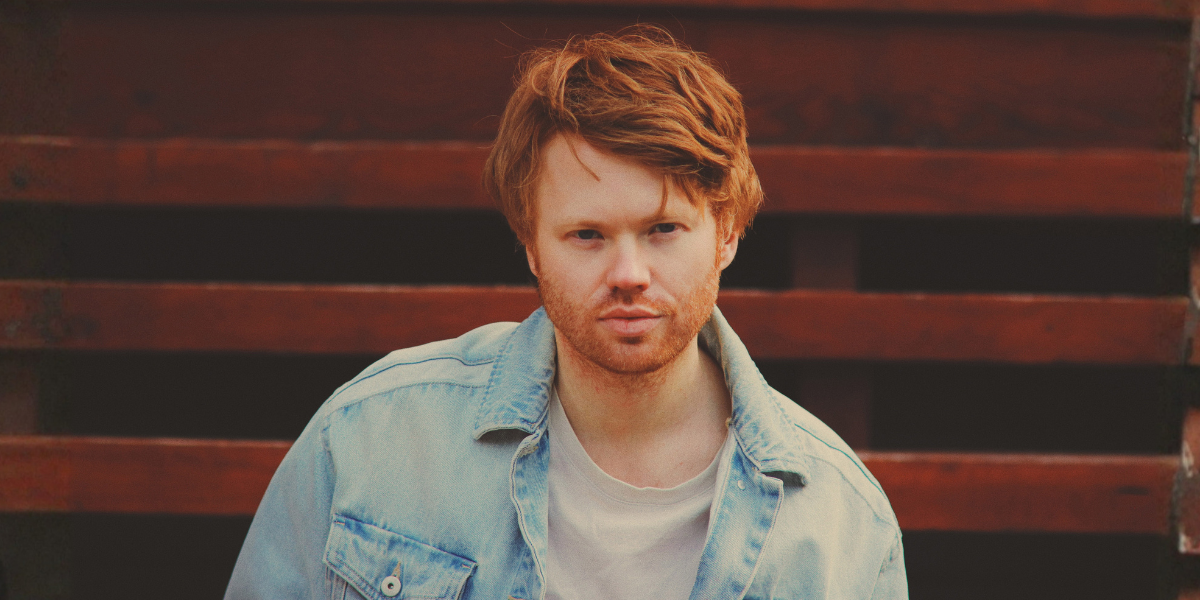
Hablar con Alex Kazemi no se siente como hablar con quien escribió el " libro más peligroso del año " de 2023, un libro que Ellen Hopkins califica de " estridente, picante y que seguro ofende ". Y, desde luego, no se siente como hablar con el " provocador millennial favorito " de Bret Easton Ellis.

Es como hablar con un amigo con el que no me he puesto al día en mucho tiempo. Y mis amigos no son tan buenos.


Charlamos porque Kazemi vive un estilo de vida despiadado, una filosofía fundamental en Freewrite y que Kazemi considera necesaria para ser el mejor artista posible. Tras conseguir un contrato para publicar un libro a los 18 años, sabe un par de cosas sobre la vida artística.

Kazemi publicó su primer libro, Pop Magick, un libro ocultista sobre cómo manifestar, en 2020. «Madonna me ayudó a lanzarlo», dice, mencionando casualmente a una de las mayores estrellas del pop del siglo XX. «Así que, sí, fue una locura».

Pero no fue hasta el lanzamiento de su primera novela, New Millennium Boyz , en producción durante casi una década, que las cosas se pusieron verdaderamente salvajes.

La mirada impasible de Kazemi a la cultura del efecto 2000 y la adolescencia se lee como un guion horroroso, o como la transcripción de una violenta conversación de AIM entre adolescentes aburridos y solitarios. Incluso antes de su publicación, el libro recibió críticas por su peligrosidad, lo que llevó a la editorial a colocar una advertencia de contenido en la portada, para gran disgusto de Kazemi. Posteriormente, madres conservadoras estadounidenses lo denunciaron para su prohibición , lo que dejó perplejo al autor canadiense.

¿Valió realmente la pena todo ese alboroto una mirada honesta a los años 90 y principios de los 2000?

Nos sentamos con Kazemi para hablar sobre la fuerza impulsora detrás de su representación de este período de tiempo a menudo glamorizado, por qué se sintió obligado a presentar esta realidad al público moderno y cómo es posible que viva un estilo de vida fuera de línea en el año 2024.

La entrevista ha sido editada para mayor brevedad y claridad.

Selfies en el espejo sin teléfono inteligente

ANNIE COSBY: Primero lo primero. ¿Eres millennial?

ALEX KAZEMI: Sí. Nací en 1994, lo que significa que estoy en la cúspide. No me identifico en absoluto con ninguna cualidad ni tendencia zoomer.

COSBY: En el discurso cultural general, los millennials tienden a tener una mala reputación: son muy infantilizadores, aun cuando algunos de nosotros tenemos 40 años. ¿Cuál es tu opinión?

KAZEMI: Creo que es una locura porque nos tocó una mala pasada: la recesión, la pérdida de empleos, el auge de la era digital... Muchos aún recordamos ir a Blockbuster, ya sabes, a los chats de AOL y los inicios de la web. Pero luego vimos cómo todo se volvía crónicamente online y digital durante la década de 2010. Vimos cómo la tecnología y la era de la información reemplazaban muchas habilidades. Así que nos convertimos en un grupo peculiar, sin duda.


COSBY: Me parece interesante que la gente idealice ese período específicamente porque fue el comienzo de que todo estuviera en línea, por lo que los errores y las fotos de borrachos de todos están ahí afuera.

KAZEMI: ¿Cierto? Y lo hicimos voluntariamente.

COSBY: Oh Dios, las cosas que les dije a hombres desconocidos en las salas de chat.

KAZEMI: Yo también. Y es muy, muy oscuro, porque internet siempre ha sido y siempre será, incluso de adultos y mayores, un reflejo de nuestro vómito subconsciente. Las frecuencias que vibrábamos al llegar a la edad adulta se centraban más en la exploración, y por eso había tanto peligro de desconocidos. Había tantas situaciones aterradoras en las que los niños podían meterse con la web en sus inicios, debido también a lo desregulada que estaba.

COSBY: ¿Dirías que New Millennium Boyz es una defensa de cómo somos los millennials? ¿O es un comentario sobre lo mal recordada que está esa época?

KAZEMI: Definitivamente es un comentario. Y se supone que es ficción histórica, educando a jóvenes y también a mayores sobre cómo, ya sabes, esa hermosa foto que ven de Rachael Leigh Cook de "She's All That" en TikTok... De hecho, había mucha oscuridad y caos, especialmente en lo que respecta al racismo, la misoginia y la homofobia, que están muy normalizados.

Me parece muy irónico que esta nueva generación, tan obsesionada con la justicia social, la evolución y la libertad, fetichizara la estética de una época de auténtico libertinaje, caos y crueldad —de verdad—, algo que se reflejaba en el arte de aquella época. ¡Miren las películas adolescentes de los 2000! Solo quería escribir una sátira de ese género adolescente extremo, como Thirteen de Catherine Hardwicke, Bully de Larry Clark, Spring Breakers ...

Mi segunda motivación fue observar realmente la cultura masculina en la era posterior a Columbine y cómo este fue en gran medida un tiempo profético y predictivo de dónde terminaríamos con la derecha alternativa, 4chan y los "incels", y cómo todo está conectado.

Y luego, por supuesto, explorar el aspecto romántico del Y2K: ir al centro comercial, la gente con camisetas de Marilyn Manson y la obsesión estética que genera. Quería crear el libro que quería ver en un mundo que aún no sentía que existía.

COSBY: Te he oído hablar de la misoginia del cliché de que "las adolescentes son unas perras". Es como... ¿has conocido chicos? ¿Has sido un adolescente hablando con otros adolescentes?

KAZEMI: ¡Oh, son unas cabronas! Son tan crueles. Se ve el cliché de las "chicas malas" en muchísimas películas, como Jawbreaker , pero es tan extraño que nunca veamos la crueldad que sufren los adolescentes. Y no solo la crueldad, sino también la desorientación y la cultura que la alimenta.

Especialmente en los 90 y los 2000, se animaba a los chicos a ser hipermasculinos y estar dominados por la testosterona. Woodstock 99 fue un gran ejemplo del caos que produce el exceso de algo, y ahora se habla de ello gracias al documental .

COSBY: New Millennium Boyz realmente explora esta violencia inherente a la cultura de los 90 para chicos, y debido a eso, recibió una advertencia de contenido, ¿verdad?

KAZEMI: Sí. Durante los cortes finales del libro, cuando estábamos en la edición y la corrección de estilo, recibí una llamada de mi editor: «Fulano no lo va a publicar sin una advertencia sobre el contenido porque le preocupa mucho cómo reaccionarán los adolescentes a la obra y si van a repetir el comportamiento».

Y pensé: «Esto es una crítica cultural. No hay nada que pueda ser idealizado. Creo que cualquiera que lo lea lo entenderá».

COSBY: ¿Crees que nosotros, como humanos, siempre miramos hacia los períodos pasados ​​con lentes color de rosa, o hay algo especial en el Y2K?

KAZEMI: Hay algo realmente extraño en lo que estamos haciendo con los años 90 y 2000. No creo que nunca antes hayamos estado, como humanos, en una situación en la que corporaciones como Meta y TikTok pudieran alimentarnos algorítmicamente todo el tiempo.

Un adolescente de los 90 podía obsesionarse con los 70 o los 60, pero podía cerrar el libro al terminarlo o terminar la película y apagar la tele. Pero con la Generación Z, y con cada generación actual, estamos inundados a diario de memes, fotos, vídeos y opiniones ajenas.

Y supongo que esta nostalgia de los 90 se debe en parte a que representa familiaridad para la gente de cierta edad, pero incluso para quienes no vivieron en esa época, parece representar una especie de orden, una sensación de tranquilidad: "Oh, 90210 está a las 9 p. m. y eso es todo". No había mil millones de opciones como las que tienen los niños de hoy.

COSBY: ¿Crees entonces que la gente ve ese período como un tiempo de simplicidad y desconexión, algo que todos anhelamos ahora?

KAZEMI: Sí, y ciertamente podías desconectarte entonces, pero también puedes hacerlo hoy. Nos han lavado el cerebro para creer que no tenemos opción, que no tenemos libre albedrío. Pero es totalmente falso. ¡Podrías simular el Y2K si quisieras! Solo tienes que poner muchos límites.

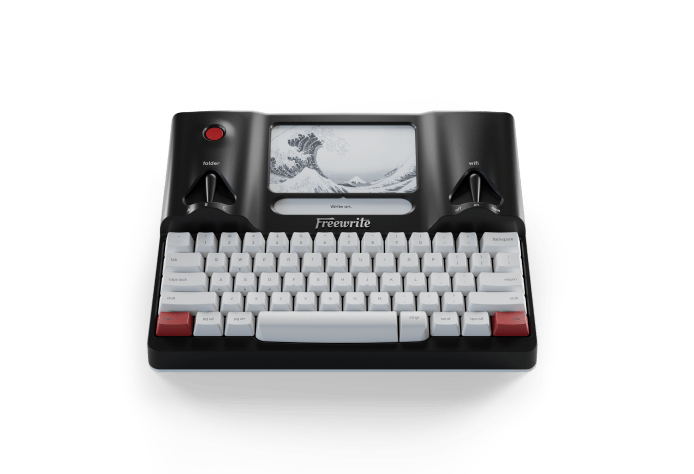
COSBY: Como escribir en un Freewrite .

KAZEMI: ¡Sí! Por eso escribo sin conexión. A lo largo de los años, he encontrado diferentes maneras geniales de hacerlo. Durante gran parte de mi adolescencia, escribí en Apple Notes. Luego, compré una BlackBerry en eBay y la usé como procesador de textos durante un tiempo. Tengo una AlphaSmart muerta; descanse en paz.

Siento que lo bueno de Freewrite es que mucha gente no sabe que estos productos existen, lo cual es un problema.

COSBY: También es muy polarizante. Sin siquiera intentarlo, algunos dicen: "¿Qué es esto de los hipsters?". Mientras tanto, recibimos muchísimos mensajes de nuevos usuarios que dicen: "¿Qué es esta magia? ¡Escribo por primera vez en años!". Es muy interesante ver las reacciones de la gente. La tecnología es un tema tan delicado y extraño.

KAZEMI: Y una escritura libre es mucho mejor que una máquina de escribir. No voy a hacer la cinta, no hay tiempo para eso.

COSBY: Algunos sí, ¿verdad? ¿No eres amigo de Matty Healy ?

KAZEMI: Sí, sí. Le hablé de Freewrite. Me encanta su forma de componer. Me encantan las letras de 1975. Me encanta su mente literaria.

COSBY: Alex. [pausa larga] ¿Es él a quien se hace referencia en la canción ?

KAZEMI: [Pone los ojos en blanco] La verdad es que no me interesan los chismes. No creo que los grandes artistas deban reducirse a eso.

COSBY: Vale, es justo. Creo que ambos son grandes narradores . Y sería muy difícil vivir una vida creativa bajo ese microscopio. En ese sentido, tu enfoque de la vida fuera de línea va más allá de la escritura, ¿verdad? ¿Cómo funciona eso?

KAZEMI: Bueno, definitivamente incluye muchos límites conscientes que molestan a mucha gente.

Llevo unos años con un teléfono plegable y tengo teléfono fijo. En cuanto a internet, iMessage y correos electrónicos, intento pasar tiempo frente a la pantalla en un horario de oficina regulado.

Es una posición muy privilegiada, porque mucha gente tiene que estar de guardia constantemente por trabajo. Pero estar desconectado definitivamente me da más tiempo para que mi mente esté libre y sea creativa, y para escribir más.

COSBY: ¿Y esto molesta a la gente?

KAZEMI: Sí, me vuelve loco. Es un límite enorme que me impongo. La gente tiene que pasar por evasivas para contactarme. Pero es la única manera de que pueda tener una vida como artista y escritor.

Toda esta tecnología puede ser una herramienta. No hay nada intrínsecamente malo en las herramientas que existen en internet. Es simplemente la compulsividad y la mentalidad adictiva que tenemos hacia ella lo que crea este caos para nosotros como escritores y artistas.

COSBY: Has mencionado que estabas en Tumblr antes, en el pasado. ¿Estás en las redes sociales ahora?

KAZEMI: No, no lo soy. A veces tengo que consultarlo en los teléfonos de mis amigos para obtener su correo electrónico o algo así, pero no, no tengo redes sociales. Da mucho miedo la presión de tener que actuar o convertir mis cosas más valiosas en moneda, en monetizarlas. Simplemente se siente raro. No me interesa. No me interesa.

Y cuando pasas tanto tiempo conectado, piensas: "No tengo por qué hacer esto. ¿Por qué lo hago?". Ahí es donde entra esa sensación punitiva de adicción . Muchos, cuando estamos en esas espirales, ni siquiera queremos estar ahí. No hay una sensación de autonomía ni control.

Es una pérdida de control.

Y creo que esa sumisión que sientes cuando miras el trabajo de otras personas, lo que están haciendo, y te desplazas una y otra vez, simplemente crea una enorme sensación de insuficiencia y oscuridad.

COSBY: Es interesante para mí porque el tiempo pasa mucho más rápido cuando estoy navegando, y siento lo mismo cuando me sumerjo mucho en algo que estoy escribiendo.

KAZEMI: Como un estado de flujo.

COSBY: ¡Exactamente! Es una absorción total. Pero desplazarme no me hace sentir bien después, como sí me hace crear.

KAZEMI: Es como un mercado negro, un estado de flujo de falsificaciones. Un estado de flujo de heroína.


Entonces supongo que la pregunta es: ¿Cómo podemos inducir estados de flujo positivos y fuera de línea?

COSBY: ¿No es esa la pregunta? ¿Cómo lo haces?

KAZEMI: Creo que simplemente establecer límites es fundamental. Tienes libre albedrío sobre tus límites. Esta idea de que no tenemos capacidad de acción y que tenemos que entregar toda nuestra energía y fuerza vital a estas corporaciones que nos despojan es una locura e injusta.

Pero cuando les planteas estas cosas a ciertas personas, ni siquiera pueden imaginarse vivir sin sus hábitos en línea.

COSBY: Sí, tiene que ser una elección consciente.

KAZEMI: Tienes que preguntarte:

Bien, ¿me sublimaré para consumir el contenido de los demás? ¿O seré creador y productor?

COSBY: La mayoría de nosotros sabemos cuál queremos ser.

KAZEMI: Tienes que saber cuál quieres ser.

COSBY: ¿Algunas últimas palabras para los creadores?

KAZEMI: Para los creadores, artistas y escritores que se sienten abrumados por la sobrecarga de información y la perspectiva de publicar su trabajo, simplemente sepan que hay un público para su obra. Simplemente manténganse enfocados y no se desanimen. Encontrarán su lugar en este mundo extraño.
noviembre 29, 2025 4 lectura mínima

The Great Freewrite Séance: A Ghost'ly Charity Auction Full Terms & Conditions

These Terms and Conditions (“Terms”) govern participation in The Great Freewrite Séance: A Ghost'ly Charity Auction (“Auction”), organized by Freewrite (“Organizer,” “we,” “us,” or “our”). By registering for, bidding in, or otherwise participating in the Auction, you (“Participant,” “Bidder,” or “Winner”) agree to be bound by these Terms.

1. Auction Overview

1.1. The Auction offers for sale a limited number of Freewrite Traveler Ghost Edition units (“Items” or “Ghost Traveler units”), each personally signed and drawn on by a featured author.

1.2. All proceeds, net of explicitly disclosed administrative costs, will be donated to the charity or charitable initiative (“Charity”) identified on each auction item’s page, as chosen by the respective author.

2. Eligibility

2.1. Participants must be at least 18 years old or the age of majority in their jurisdiction, whichever is higher.

2.2. Employees of Freewrite, the participating authors, or any affiliates directly involved in the Auction are not eligible to bid.

2.3. By participating, you represent that you are legally permitted to take part in online auctions and to pay for any bids you win.

3. Auction Registration

3.1. Participants must create an account on the auction platform or otherwise register using accurate, current, and complete information.

3.2. Freewrite reserves the right to verify identity and to disqualify any Participant who provides false or misleading information.

4. Bidding Rules

4.1. All bids are binding, final, and non-retractable.

4.2. Bidders are responsible for monitoring their bids; Freewrite is not liable for missed notifications or technical issues on the auction platform or the Participant’s device.

4.3. Freewrite reserves the right to:

  • set minimum bids or bid increments;
  • reject bids deemed in bad faith or intended to disrupt the Auction;
  • extend, pause, or cancel the Auction in case of technical difficulties, fraud, or events beyond reasonable control.

5. Winning Bids and Payment

5.1. The highest valid bid at the close of the Auction is the Winning Bid, and the corresponding Participant becomes the Winner.

5.2. Winners will receive payment instructions and must complete payment within 48 hours of the auction’s close unless otherwise stated.

5.3. Failure to complete payment on time may result in forfeiture, and Freewrite may offer the Item to the next highest bidder.

5.4. Accepted payment methods will be listed on the Auction platform. All payments must be made in the currency specified.

6. Item Description and Condition

6.1. Each Ghost Traveler unit is authentic, and the signatures, doodles, and messages are original works created by the participating author. These are authors, not artists. By bidding on the Item, you acknowledge that you are receiving a one-of-a-kind unit marked with unique art and messages and you agree to these terms and conditions.

6.2. Because Items are customized and signed by hand, variations, imperfections, or unique marks are to be expected. These are considered part of the Item’s character and not defects.

6.3. Items are provided “as-is” and “as-available.” Freewrite makes no warranties of merchantability or fitness for a particular purpose.

7. Shipping & Delivery

7.1. Shipping costs, import duties, and taxes may apply unless explicitly stated otherwise.

7.2. Freewrite will make reasonable efforts to ship Items within the estimated timeline but cannot guarantee delivery dates.

7.3. Title and risk of loss transfer to the Winner upon delivery to the carrier.

7.4. Freewrite is not responsible for delays, damage, or loss caused by the courier or customs agencies.

8. Charity Donation

8.1. Net proceeds from the Auction will be donated to the Charity designated on each Item page.

8.2. Donation amounts and recipients may be disclosed publicly unless prohibited by law.

8.3. Winners acknowledge that they are purchasing Items, not making a tax-deductible donation to Freewrite; therefore, Winners will not receive charitable tax receipts unless Freewrite explicitly states otherwise in compliance with applicable laws.

9. Intellectual Property

9.1. All trademarks, brand names, product names, and creative materials associated with Freewrite and the Ghost Traveler remain the exclusive property of Freewrite or their respective rights holders.

9.2. Participants may not reproduce, distribute, or publicly display the authors’ doodles without permission where such rights are applicable, except as allowed by law (e.g., resale of the physical Item).

10. Privacy

10.1. By participating, you consent to Freewrite’s collection, use, and storage of your personal data in accordance with our Privacy Policy.

10.2. Freewrite may publicly announce auction results, including Winner’s first name, last initial, city, state/country, and winning bid amount unless prohibited by law or unless you formally request anonymity when possible.

11. Prohibited Conduct

Participants may not:

  • engage in bid manipulation, fraud, or collusive bidding;
  • use automated systems (bots, scripts, scrapers) to place or monitor bids;
  • interfere with the Auction, platform, or other participants

Freewrite may ban or disqualify any Participant violating these rules.

12. Limitation of Liability

To the fullest extent permitted by law:

12.1. Freewrite is not liable for indirect, incidental, special, or consequential damages arising from the Auction or purchase of Items.

12.2. Freewrite’s total liability in connection with these Terms shall not exceed the amount of the Winning Bid actually paid by the Participant.

12.3. Freewrite is not responsible for technical malfunctions, internet outages, system failures, or other issues beyond its control.

13. Cancellation and Force Majeure

Freewrite may cancel, postpone, or modify the Auction due to unforeseen circumstances, including but not limited to natural disasters, system failures, strikes, or events affecting participating authors or the Charity.

14. Governing Law & Dispute Resolution

14.1. These Terms are governed by the laws of Michigan, without regard to conflict-of-law rules.

14.2. Any disputes arising under these Terms will be resolved through binding arbitration or the courts of the specified jurisdiction, as applicable.

14.3. Participants waive any right to participate in class-action lawsuits relating to the Auction.

15. Amendments

Freewrite may update these Terms at any time. Continued participation in the Auction after updates constitutes acceptance of the revised Terms.

16. Contact Information

For questions or concerns regarding the Auction or these Terms, contact: hello@getfreewrite.com.

noviembre 25, 2025 1 lectura mínima

This is a great gratitude writing exercise to be done alone or in a group, with people of any age.

How to Play

    1. Designate someone to read out each prompt below. (Feel free to add your own prompts.)
    2. After each prompt is read, set a timer for one minute. (With younger kids, this can be shortened. For older folks who want to freewrite meaningfully, more time can be added.)
    3. Each person freewrites by finishing the sentence and elaborating until the timer goes off. (For little kids, this can be done verbally with an adult recording their answers. Hilarity will ensue.)
    4. Remeber that freewriting — allowing yourself to write with abandon — enables you to let go, tapping into your subconscious to explore your thoughts more deeply.
    5. When everyone is done with all the prompts, take turns going through some your answers. Some people may be eager to share. Others may not want to. Respect their decision.

The Prompts

  • I'm grateful for... [After you've finished this prompt, repeat it five times. Challenge yourself and others not to repeat a singe word with each new answer.]
  • The silliest thing I'm grateful for is...
  • The littlest thing I'm grateful for is...
  • The biggest thing I'm grateful for is...
  • The grossest thing I'm grateful for is...
  • One thing I love about myself is...
  • My favorite thing that happened this year was...
  • My hope for next year is...

This writing exercise has resulted in some sweet answers — and many hilarious ones, too. If you try it out, do let us know.

Write on.

noviembre 21, 2025 4 lectura mínima

For the release of Sailfish, our new firmware update for Smart Typewriter Gen3 and Traveler, we created a brand-new boot-up animation to surprise and delight our writers.

We worked with talented Danish animator Mathias Lynge to bring our experience of the writer's journey to life.

We had a blast visualizing the writer's journey in this new way. Our engineers also had a blast (or something less than a blast) figuring out how to adjust this fun, playful animation to E Ink's very tricky specifications. Hello, refresh rate woes! But we think the result is pretty fun.

"The little animation made my day when I noticed. I love a good flourish."

- Freewrite user

The process of creating this animation was long and full of Zoom calls where we deeply discussed the writing process. We were struck through those conversations by how much overlap there is in creative processes of all disciplines.

So we sat down to chat with Mathias about his creative process and what it's like being a full-time animator.

ANNIE COSBY: Let's start with the basics. What kind of art do you make?

MATHIAS LYNGE: I'm a 2D animator and motion designer working freelance with a wide range of clients. The style varies depending on the project, but it’s usually either a hand-drawn look animated frame-by-frame on a drawing tablet, or a more digital, vectorized look made in After Effects.

While much of what I do is commercial work, I try to keep up with my own passion projects as well. That could be a 10-second Instagram loop of a nature scene, or an interesting character design I’ve sketched down with a pencil. It’s there that I get to sharpen my skills and try out new techniques, which often find their way into later client projects.

AC: You often share educational content on social media for other artists. Are you formally trained, or did you teach yourself?

ML: I’m mostly self-taught. I’ve been drawing for as long as I can remember, but it wasn’t until I went to university that I realized drawing could become a career.

When I first heard terms like “motion design” and “The 12 Principles of Animation” I was on a student exchange program at UCSB in California, where I had chosen a class called "Introduction to Animation." It was a big eye-opener for me, and from that point I was hooked.

But it’s mainly been online YouTube tutorials and my existing drawing experience that have taught me what I know.

Now, I have a big presence on social media, where I share my art as well as educational content centered around animation in Adobe After Effects, so I guess you could say that I'm also an animation influencer!

I’ve been drawing for as long as I can remember, but it wasn’t until I went to university that I realized drawing could become a career.

AC: That's actually how I first found your work. Do you have any specific artists who inspire you?

ML:In the world of 2D animation, I have a list of personal heroes that inspire me with their unique style: Reece Parker, Ariel Costa a.k.a. BlinkMyBrain, and Tony Babel, to name a few.

I also find a lot of inspiration from illustrators and painters I discover online, on platforms such as Pinterest. Last year I made a sparkling water animation that was heavily inspired by Cornwall-based artist Gordon Hunt. He makes these beautiful nature-inspired pointillist paintings that capture how light hits the ocean using colorful dots of paint. I tried to recreate that effect using After Effects to bring it to life, and it led me to a whole new way of animating within the program.

AC: Where else do you draw inspiration to create your work?

ML: I’m heavily inspired by the nature and cityscapes around me in Copenhagen, and I find that taking long walks through parks or down the streets of my neighborhood really sparks my imagination.

I’ll often carry around a sketchbook to quickly scribble down an idea or a loose sketch of something I find interesting, such as seeing how the light from a lamppost hits the surrounding leaves, or how the wind moves the tree in a certain way.

Then I’ll think to myself, “I wonder if I can recreate that motion using a specific technique in After Effects?”

I’m heavily inspired by the nature and cityscapes around me in Copenhagen...

AC: What does your daily routine look like as a full-time artist?

ML: It varies a lot, but I’m usually either working hard on a client project or tinkering away with a new animation tutorial for my social media channels.

I love being able to switch between the two, and when I’m going through a client dry spell, I find that staying creative and posting animation-related content helps keep me inspired while also putting things out into the world that may lead to my next client down the road.

AC: What's your #1 piece of advice for animators new to the industry?

ML: Keep experimenting and trying out new techniques. There’s no such thing as running out of creativity, and even though many of the things you try don’t necessarily go anywhere, it’s all experience that adds up and expands your toolbox. It’s a muscle that needs to be worked out regularly.

Plus, you’ll have more awesome animation to choose from when you’re putting together your next showreel or portfolio!

There’s no such thing as running out of creativity...

AC: What's one fun fact about you completely unrelated to animation?

ML:I’m a big sucker for history podcasts, especially if they are about ancient civilizations, such as The History of Rome by Mike Duncan.

I find it fascinating to hear how mankind was able to build such great empires without ever knowing what electricity, cars, or the internet are.

--

Follow along on Mathias's creative journey and find his free educational content on Instagram.

To learn more about working together, find him on LinkedIn or visit his website at www.mathiaslynge.com.

Learn more about Sailfish here.