
En un mundo dominado por los smartphones y la conectividad constante, el equipo de Dumb Wireless desafía el statu quo. Los cofundadores William Stults y Daisy Krigbaum creen que el uso excesivo de smartphones no es solo una cuestión de comodidad, sino que puede tener efectos perjudiciales en nuestra capacidad de atención, productividad y bienestar general.
Su misión es simple: promover una relación más saludable con la tecnología.
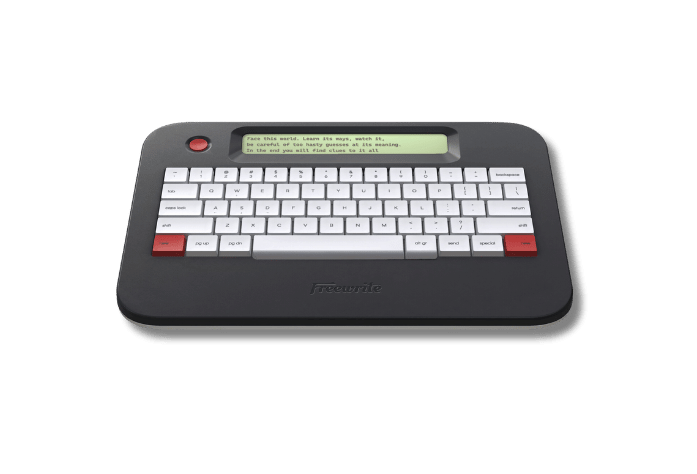
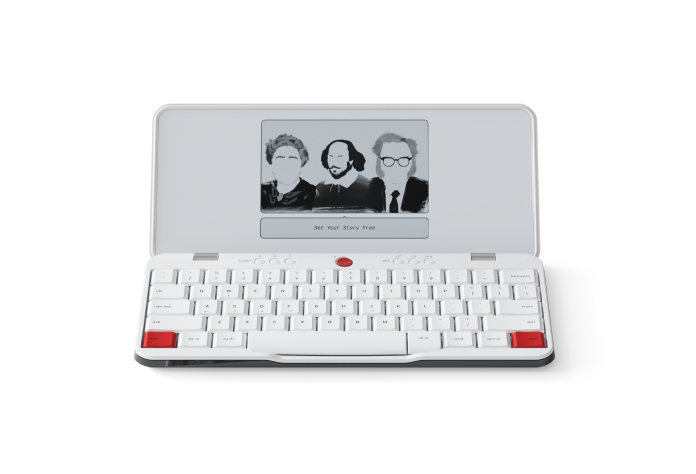
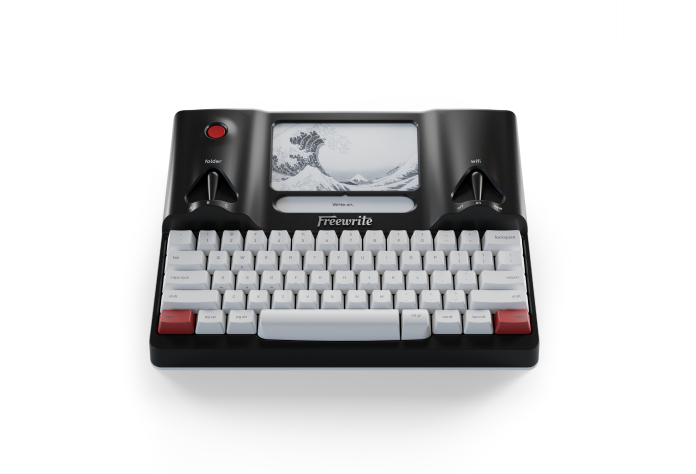
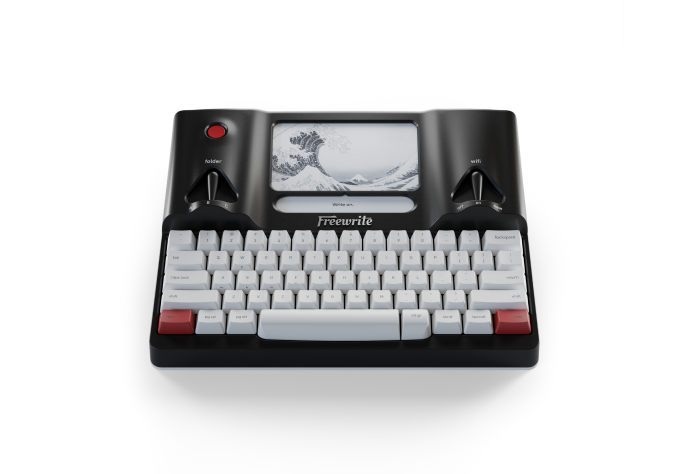
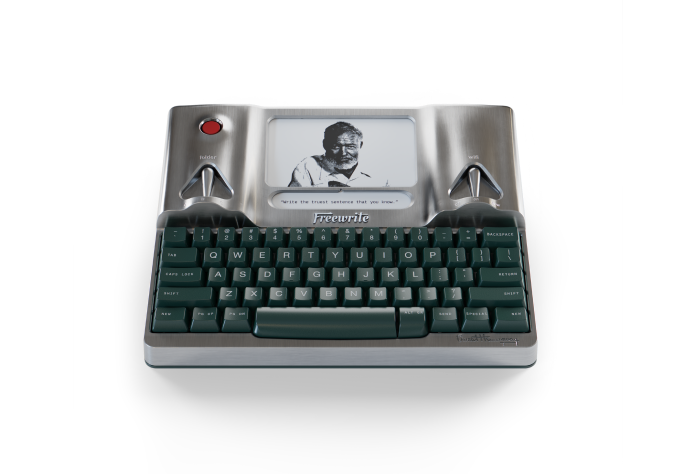
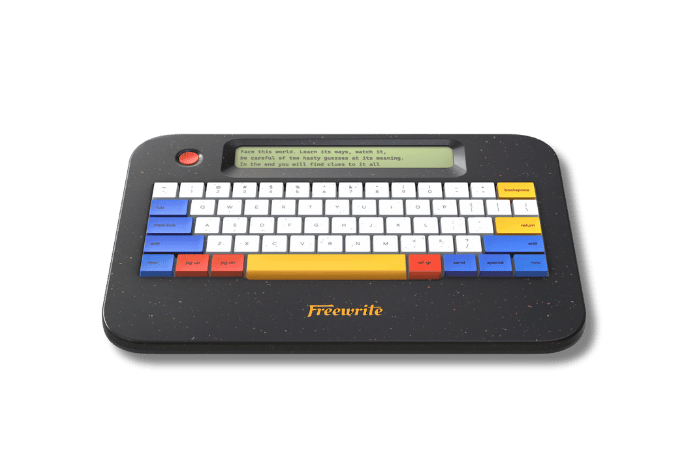
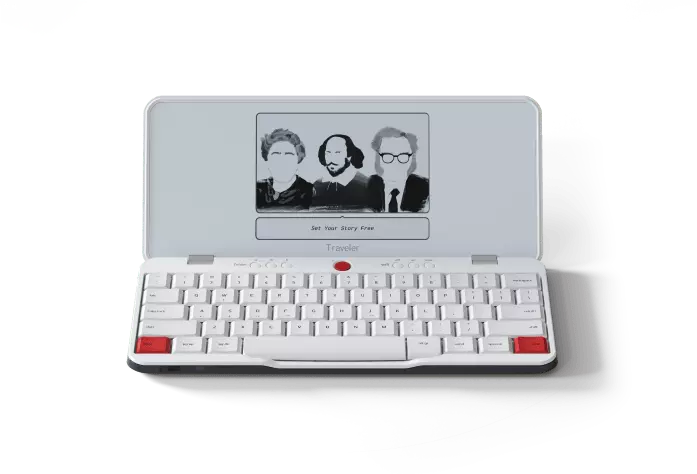
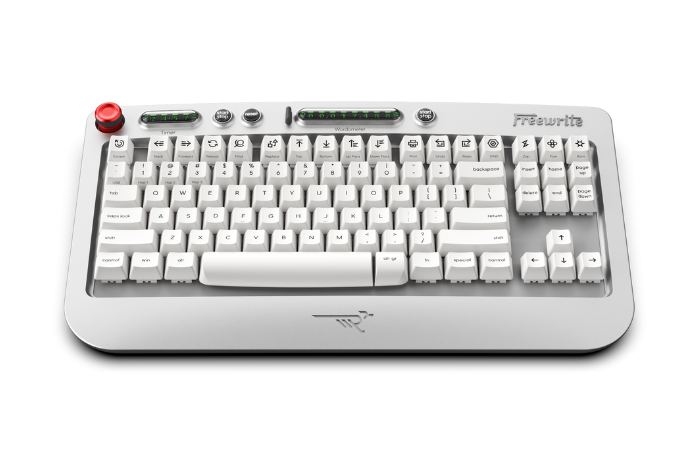
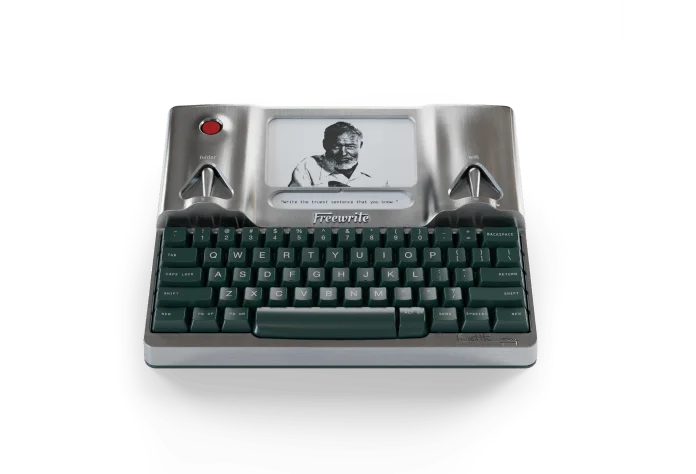
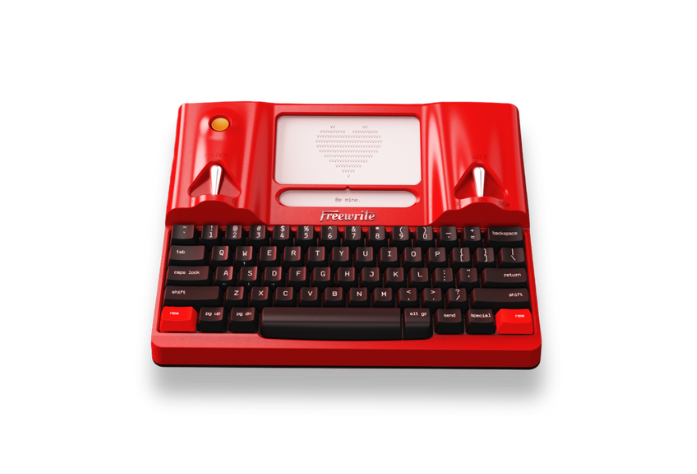
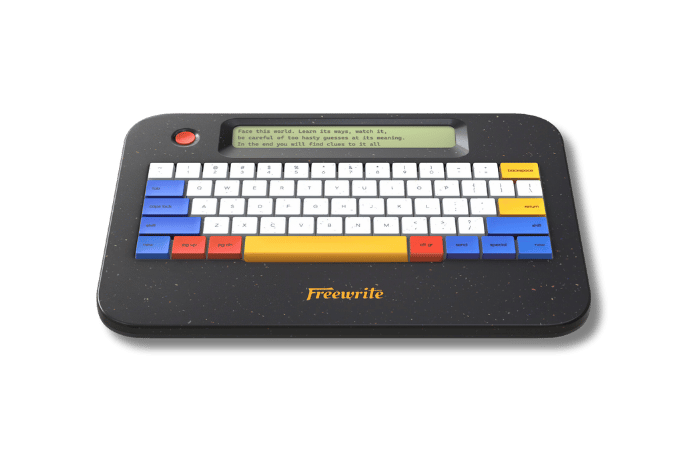
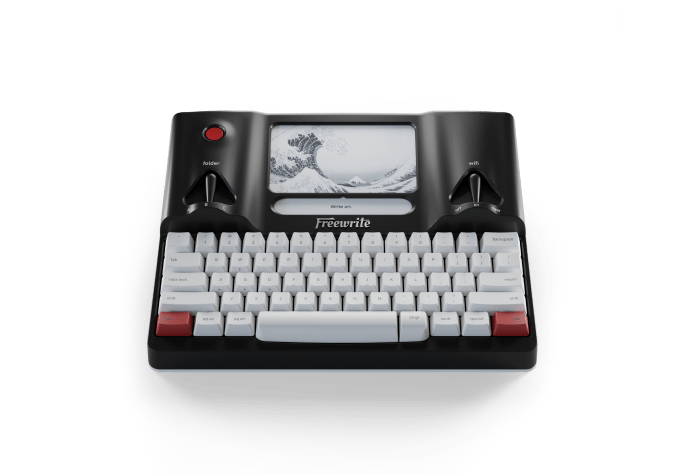
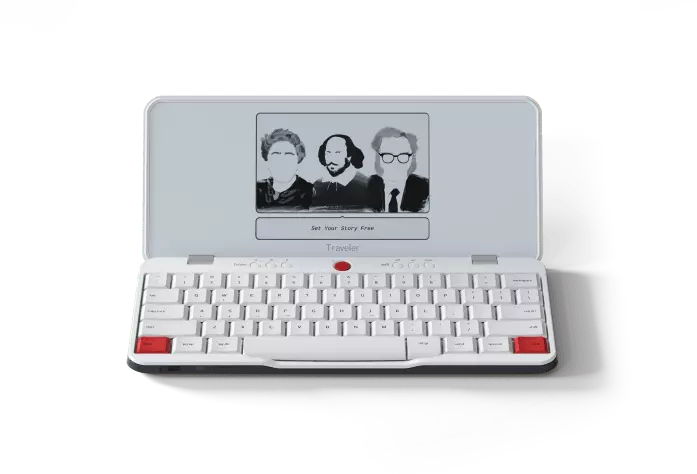
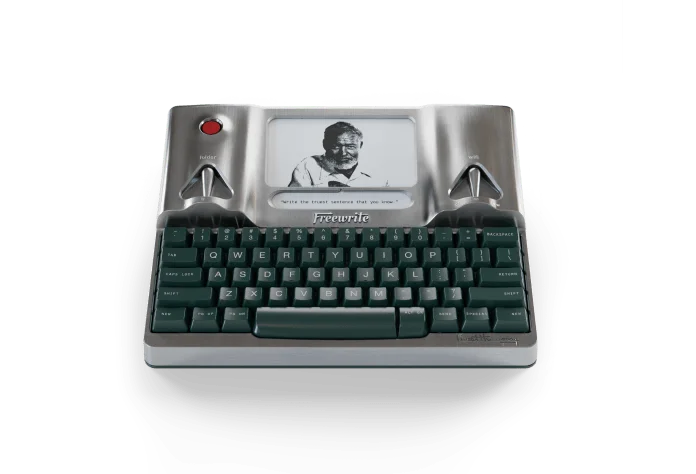
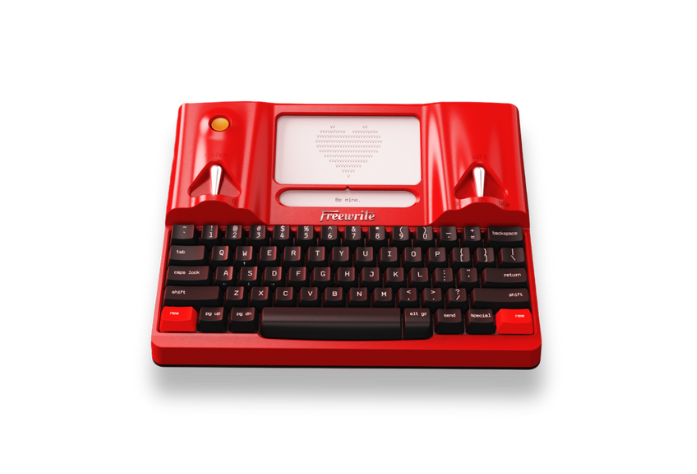
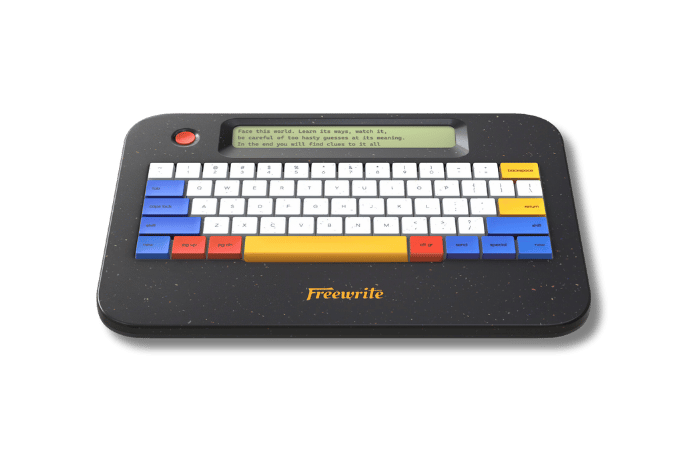
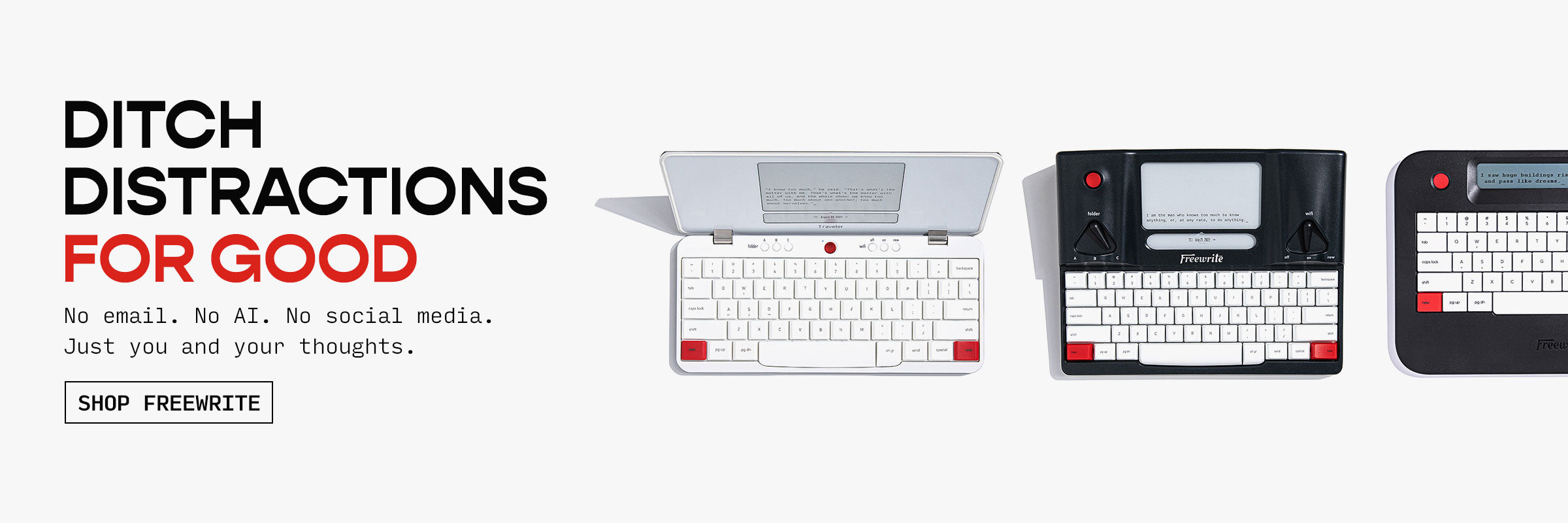
Reconociendo la alineación de la filosofía con Freewrite, Dumb Wireless ahora ofrece Traveler , ofreciendo otra gran herramienta para sus clientes para ayudar a fomentar el enfoque y la creatividad en un mar de distracciones digitales.
Recientemente tuvimos la oportunidad de charlar con Will, quien compartió sus ideas sobre la misión de la empresa, los desafíos y la importancia de desconectarse del mundo digital.

¿Los teléfonos inteligentes nos están volviendo tontos?
Si bien aún faltan ver los efectos a largo plazo del uso de los teléfonos inteligentes, Will señaló el impacto innegable que estos tienen en nuestra capacidad de atención y en la forma en que nos relacionamos con el mundo .
La ubicuidad de los algoritmos que guían nuestras elecciones y comportamientos está alterando nuestros patrones de vida, tanto de formas obvias (como la forma en que compramos y consumimos medios) como de formas más insidiosas (como la forma en que percibimos la realidad misma) .
¿Cuáles son los beneficios reales de ser "tonto"? Según Will, se trata de recuperar el control de la atención y el tiempo. Al eliminar el bombardeo constante de distracciones inherentes a los teléfonos inteligentes, las personas pueden fomentar la atención plena y la presencia, y aumentar la productividad.
La tecnología inalámbrica tonta viene al rescate
Will y Daisy luchaban con el tiempo excesivo frente a la pantalla y las horas perdidas navegando. Pero cuando decidieron vivir con más propósito, primero dejando de usar teléfonos inteligentes, se dieron cuenta de que no había mucha información ni muchos recursos disponibles para quienes buscaban alternativas.
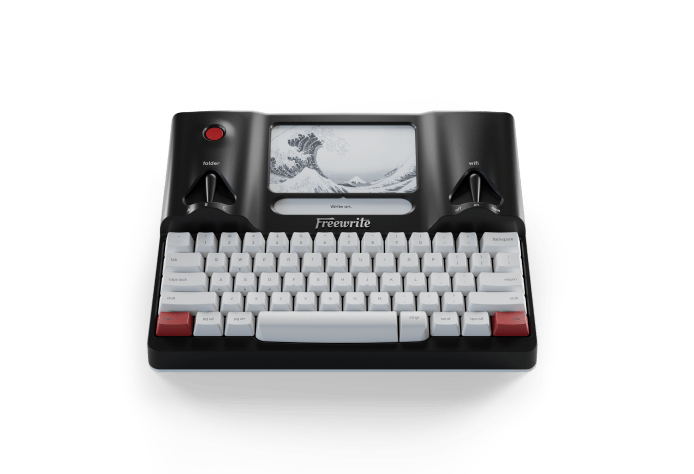
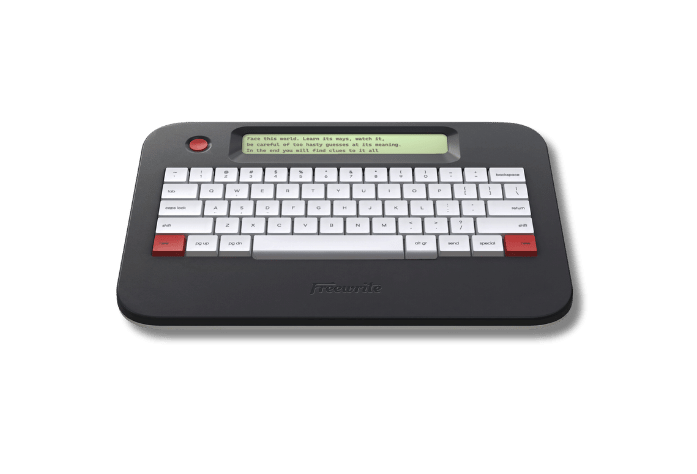
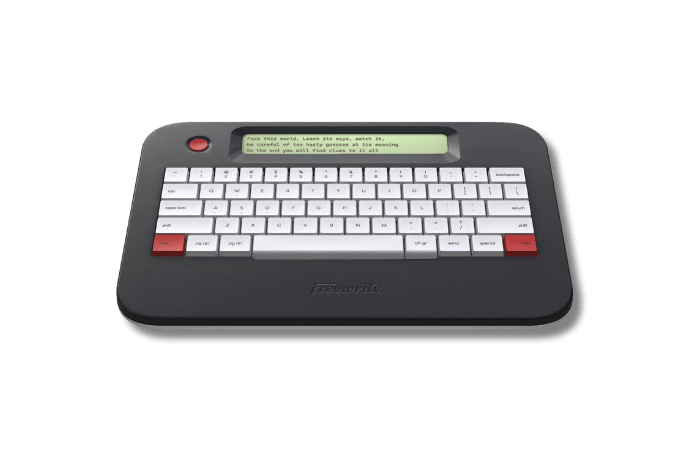
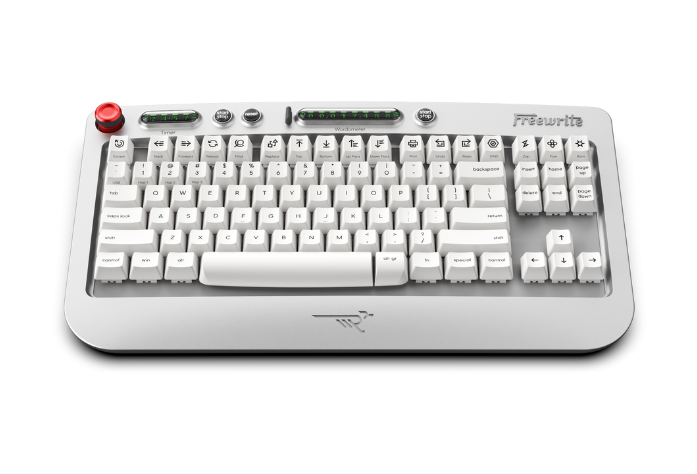
Dumb Wireless nació como una solución integral para teléfonos inteligentes y otras tecnologías diseñadas para reducir el tiempo de pantalla. Dirigido a quienes buscan un estilo de vida con menos distracciones, Dumb Wireless ofrece algunos de los mejores teléfonos celulares sencillos del mercado, como el Light Phone 2, y otras tecnologías sin distracciones, como Freewrite.
También hay opciones para quienes se resisten a deshacerse por completo de sus smartphones. Si bien la opción más sencilla es, por supuesto, deshacerse del smartphone y comprar un teléfono básico, otra opción es limitar el uso de datos en su plan telefónico.

Will afirma que Dumb Wireless recibe diversas reacciones de los clientes que ven por primera vez sus teléfonos "tontos". Curiosamente, las generaciones más jóvenes, a pesar de ser nativas digitales, suelen mostrarse más receptivas a la idea de reducir el uso de smartphones en comparación con los grupos demográficos de mayor edad. Sin embargo, los adolescentes plantean un desafío único, ya que suelen resistirse a renunciar a sus smartphones, considerándolos esenciales para la conexión social y la identidad.
Pero Will se muestra optimista. Dice que observan una creciente concienciación sobre la adicción a los teléfonos inteligentes y el potencial de un cambio positivo. Al ofrecer alternativas accesibles y promover el uso responsable de la tecnología, Dumb Wireless busca inspirar a las personas a priorizar la presencia sobre la distracción y recuperar el arte perdido de estar verdaderamente presentes en el momento.
Adopción de tecnología con propósito
Al final del día, Will y Daisy solo quieren ver a la gente evaluar, o reevaluar, su relación con la tecnología y adoptar cualquier opción que priorice la intencionalidad, el enfoque y la conexión humana.
Ya sea mediante la adopción de dispositivos que no sean teléfonos inteligentes o la implementación de estrategias de desintoxicación digital, el viaje hacia la recuperación de nuestra atención comienza con un solo paso, uno a través del cual Dumb Wireless está ansioso por guiarnos.
Y aquí en Freewrite, estamos encantados de saber que hay otras empresas que comparten nuestro compromiso de empoderar a las personas para que recuperen su tiempo y creatividad de las garras de las distracciones.
Obtenga más información sobre Dumb Wireless en dumbwireless.com .