overlaylink

Clase magistral de escritura de cuentos: 10 consejos para la obra de ficción perfecta

abril 19, 2019 | 9 lectura mínima

Con el auge de la autopublicación en plataformas como Kindle Direct Publishing de Amazon y Lulu.com, nunca ha sido tan fácil hacer realidad tu sueño de convertirte en autor publicado. Puedes publicar con Amazon, tanto en papel como en Kindle, sin coste alguno. Nada te impide ver tu nombre impreso.

Pero la disponibilidad de la autopublicación para todos no es del todo positiva. Sin controles de calidad, sin requisitos de edición y sin el meticuloso proceso de envío de trabajos a editoriales (y la inevitable espera de los rechazos), los aspirantes a autores tienen mucha menos presión para dedicar tiempo a perfeccionar su arte. Es una farsa.

No seas uno de esos escritores que, solo porque no tienen que preocuparse por el rechazo de las editoriales a su novela, escatiman en gastos en el proceso de escritura. Tus (potenciales) lectores merecen mucho más. Por eso, en este artículo magistral, compartiré contigo mis diez mejores consejos para la obra de ficción perfecta, basándome en la sabiduría de algunos de los autores más vendidos de todos los tiempos.

1. El destello de la luz sobre el vidrio roto

El gran narrador ruso del siglo XIX, Antón Chéjov, aconsejó:

“No me digas que brilla la luna; muéstrame el destello de la luz en el vidrio roto”.

Por supuesto, reconocerás el consejo fundamental que todo escritor de ficción lee en todos los libros sobre escritura: muestra, no cuentes. No es un secreto, no es nuevo ni revolucionario, así que ¿por qué sigue encabezando mi lista?

Porque es el consejo más importante que un escritor necesita. No importa si estás empezando tu primer cuento o si llevas veinte novelas, si olvidas esta regla, decepcionarás a tus lectores. Incluso los escritores más experimentados tienen días malos (o, más comúnmente, momentos fuera de los libros) en los que su escritura se vuelve más reveladora que llamativa y pierde su impacto.

Entonces, ¿cómo te aseguras de mostrar y no contar? En mi caso, la magia surge al editar, así que no me preocupo demasiado por el primer borrador. Nadie lo verá excepto yo, así que no importa lo malo que sea. Cuando edito, soy implacable. De hecho, cuantos más libros publico, más implacable me vuelvo; porque, en serio, me estremezco cuando releo mis primeras novelas (publicadas de forma tradicional) y me pregunto cómo lograron publicarse.

Cuando edito, me distancio de lo que escribo y me imagino como lector, no como escritor. Me aburro con facilidad, lo cual es bueno cuando busco demasiada narración y poca demostración. Si me aburro, hay demasiada narración.

Lo que a mí me funciona puede que no te funcione a ti (así que no prometo nada). Tienes que encontrar lo que te funcione. Sin embargo, al editar, piensa en las palabras de Chéjov. ¿Escribes frases como «la luna brillaba intensamente»? ¡Qué aburrido! ¿Acaso «el destello de la luz sobre el cristal roto» no es mucho más evocador? Eso es lo que te lleva de un escritor común a un escritor magistral.

2. Lea el primer borrador rápidamente y no mire atrás

¿Sabes cuál es uno de los mayores obstáculos para quienes aspiran a ser escritores? El miedo a la página en blanco. He trabajado con cientos de escritores durante mis años como coach de escritura, y parece ser un hecho universal que la página en negro (o el cursor parpadeante) impide que muchos alcancen sus sueños de escritura. ¡No dejes que eso te pase!

Temerle a la página en blanco es un miedo totalmente irracional, pero puede ser devastador. Probablemente sepas a qué me refiero: estar sentado frente al ordenador o con un cuaderno durante horas, preocupado por si, de alguna manera, empezar mal tu historia. Aquí tienes un secreto que aprendí del autor superventas James Patterson: No existe tal cosa como empezar mal una historia. La única forma de empezar mal una historia es si la dejas y no la empiezas nunca.

Superar el miedo a la página en blanco tiene una solución sencilla: empezar a escribir . No importa lo mal que esté. No importa si descartas escenas después durante la edición. Lo más importante es plasmar las palabras, las palabras que sean, en la página.

Nunca edites mientras escribes tu primer borrador. En cuanto empiezas a editar, empiezas a cuestionarte, y eso puede volver a estancar el proceso de escritura. Así que empieza a escribir, escribe en esa página y no te atrevas a mirar atrás hasta que llegues al final.

3. Planificar o no planificar, esa es la cuestión

Esto es algo que puede dividir a los autores en dos bandos, y los debates pueden ser feroces. No quiero iniciar una guerra abierta, así que no les diré en qué bando estoy. En cambio, veamos ambos lados del debate, y ustedes pueden decidir cuál prefieren. Eso sí, no cometan el error de comentarlo con sus colegas escritores; la cosa se puede poner muy fea, muy rápido.

Primero, hablemos de los planificadores dedicados. Autores superventas como James Ellroy y James Patterson se encuentran firmemente arraigados en este grupo. Ellroy, por ejemplo, escribe sinopsis para sus libros que pueden superar las 200 páginas. Asimismo, Patterson, quien escribe varios libros al año, plasma cada detalle de la trama en un esquema antes de empezar a escribir su primer borrador. Considera que esto facilita el comienzo de la escritura.

¿Y qué hay de los que no planifican, o de los que escriben a la ligera? El británico Ian Rankin es uno de ellos. Para él, no tener un plan para sus novelas significa que escribir es mucho más una aventura. Es como si la novela tuviera mente propia y controlara su propio destino, lo cual es una forma genial de verlo. El primer borrador de Rankin es una oportunidad para conocer a los personajes, y eso no funcionaría si todo estuviera planeado con antelación.

4. Desarrolla tus músculos de escritura

¿Sabes que si te saltas una semana (o seis) de tu rutina de gimnasio, volver a coger el ritmo se convierte en una auténtica lucha? Lo mismo ocurre con la escritura. Tu capacidad para escribir es, de hecho, un músculo que, si no se ejercita con regularidad, se atrofia rápidamente.

Cuando te has saltado un par de sesiones de gimnasio, ¿te has dado cuenta de que te cuesta mucho más convencerte de volver? ¿Quizás eres como yo, que tras faltar un par de semanas, prácticamente no hay posibilidad de volver? Con la escritura puede pasar lo mismo. Es muy fácil perder la práctica, el hábito de escribir a diario, así que cuando encuentras tiempo para escribir, casi tienes que obligarte a hacer algo que te encanta.

No se trata solo de mantener una rutina. Al escribir ficción, escribir a diario mantiene viva la relación con los personajes y la trama sólida. Para el extraordinario escritor de terror Stephen King, el hábito de escribir a diario es esencial para completar con éxito un manuscrito.

5. Desconéctate de las distracciones

Internet es increíble. Nos conecta con personas afines al otro lado del mundo, facilita enormemente la búsqueda de información para tu ficción y te permite comunicarte fácilmente con tus fans.

Pero para los escritores, internet también es el mayor enemigo de la creatividad y la productividad. Los teléfonos inteligentes han empeorado la situación. Hay muchísimas distracciones: notificaciones de redes sociales, notificaciones de correo electrónico, sitios web que nos roban el tiempo sin darnos nada a cambio.

La cantidad de horas que he perdido navegando sin rumbo por internet es vergonzosa. Me distraigo con facilidad, y como no puedo recuperar las horas perdidas, ahora me propongo desconectarme de cualquier distracción. Cuando estoy trabajando en una novela, apago el wifi a propósito. No en el ordenador; es demasiado fácil volver a conectarlo. Apago el router, porque así es menos probable que ceda a la tentación si tengo que bajar a conectarme de nuevo a internet.

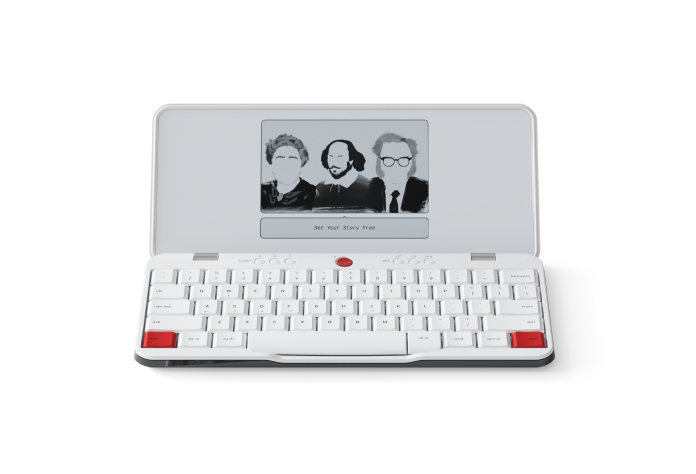
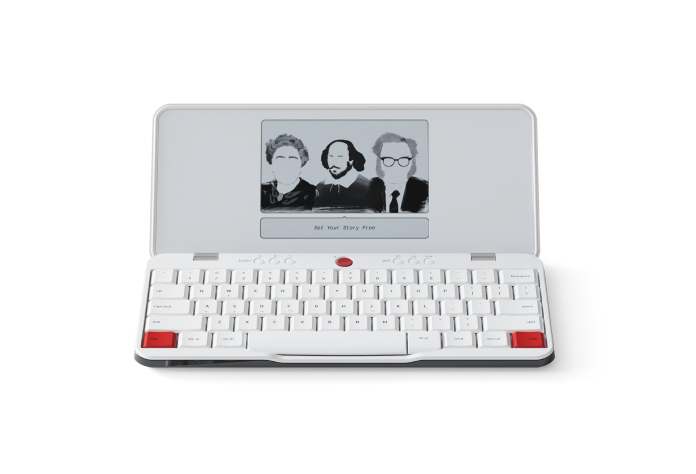
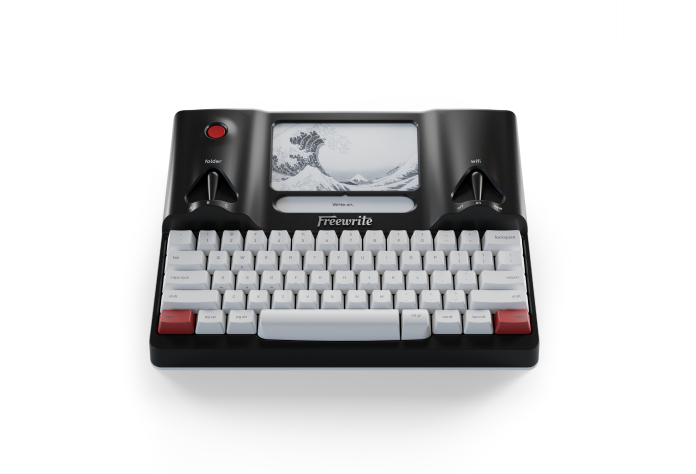
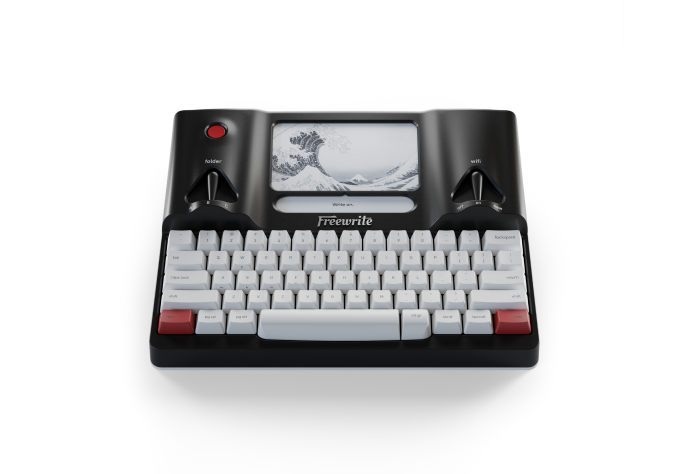
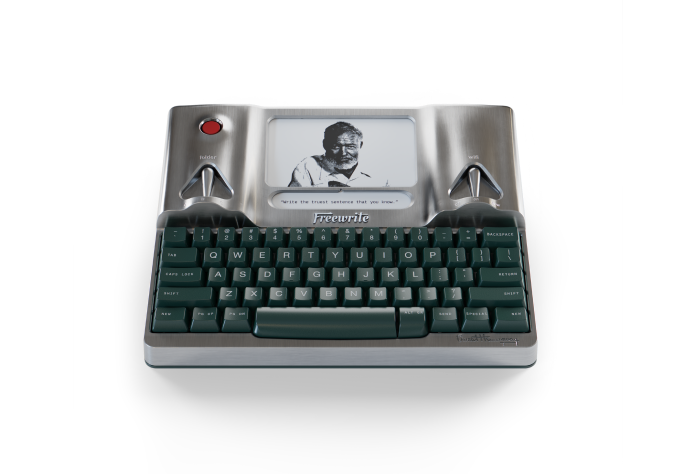
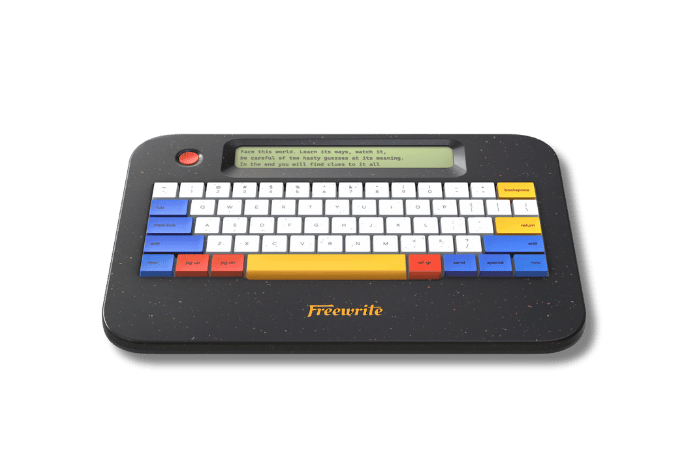
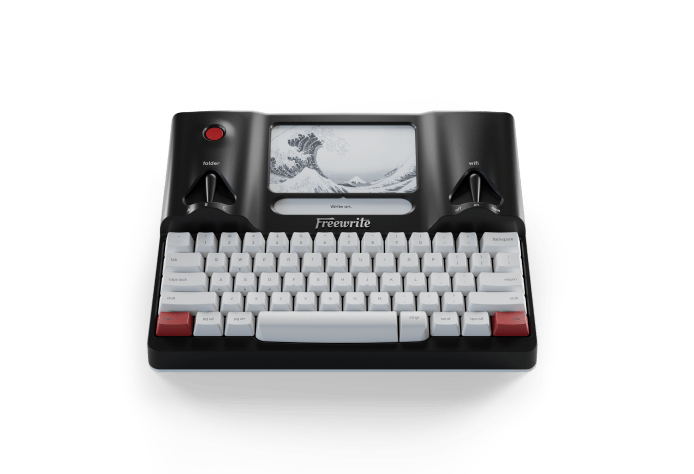
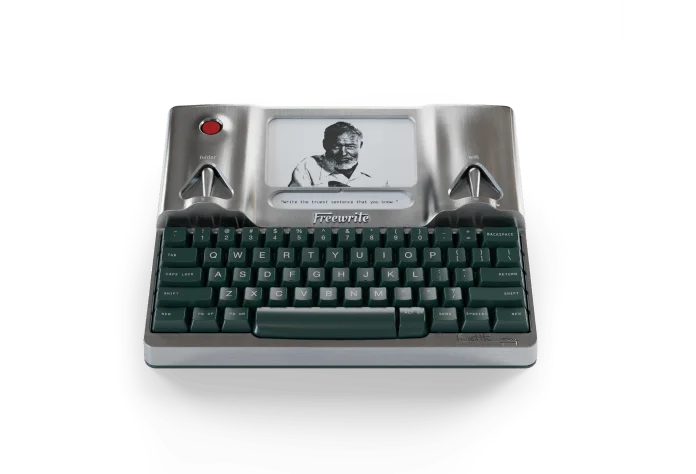
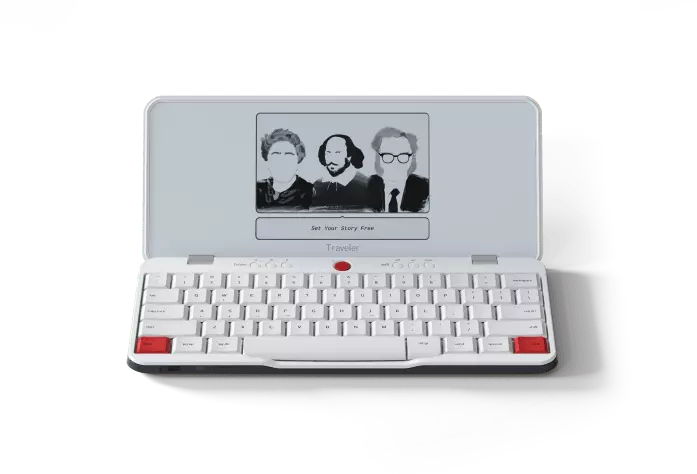
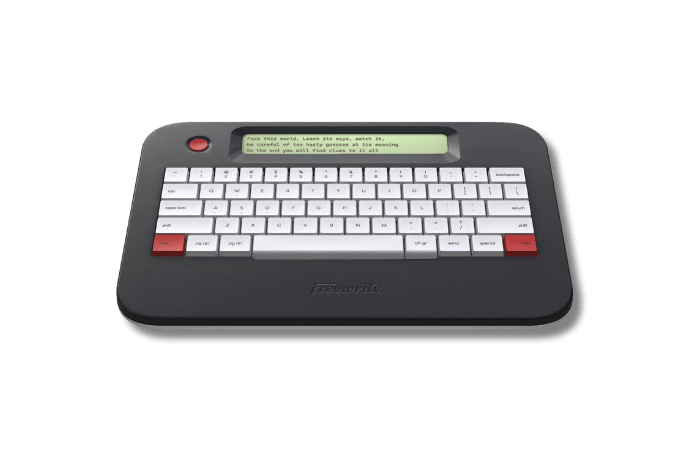
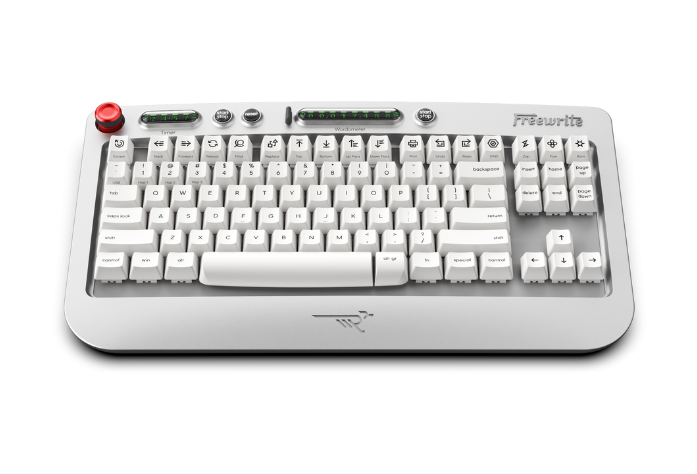
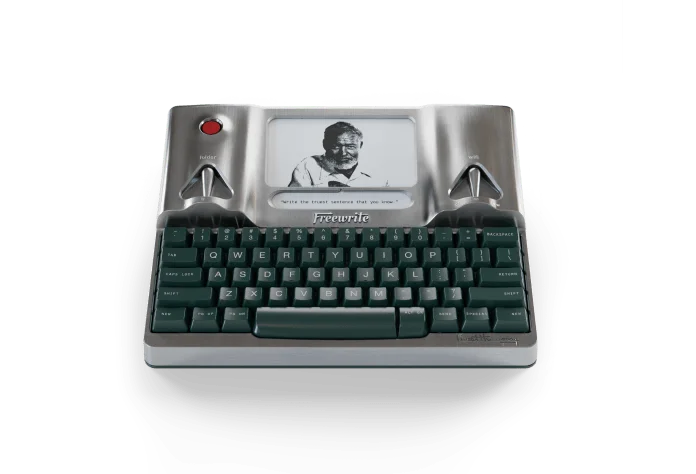
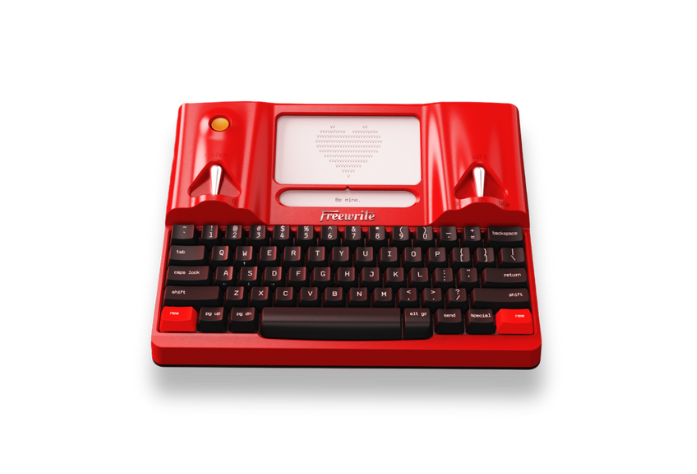
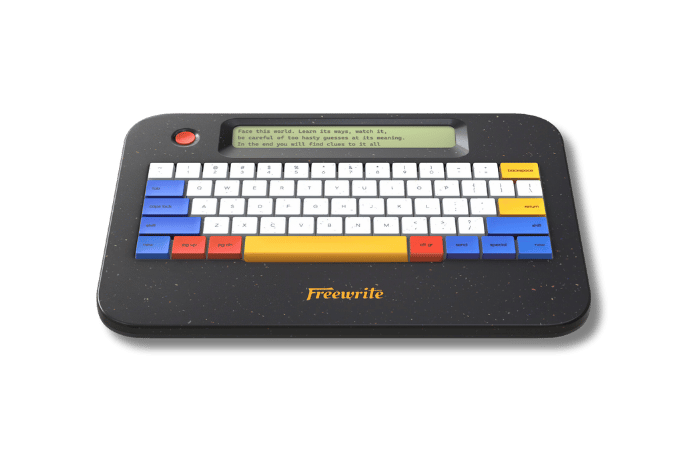
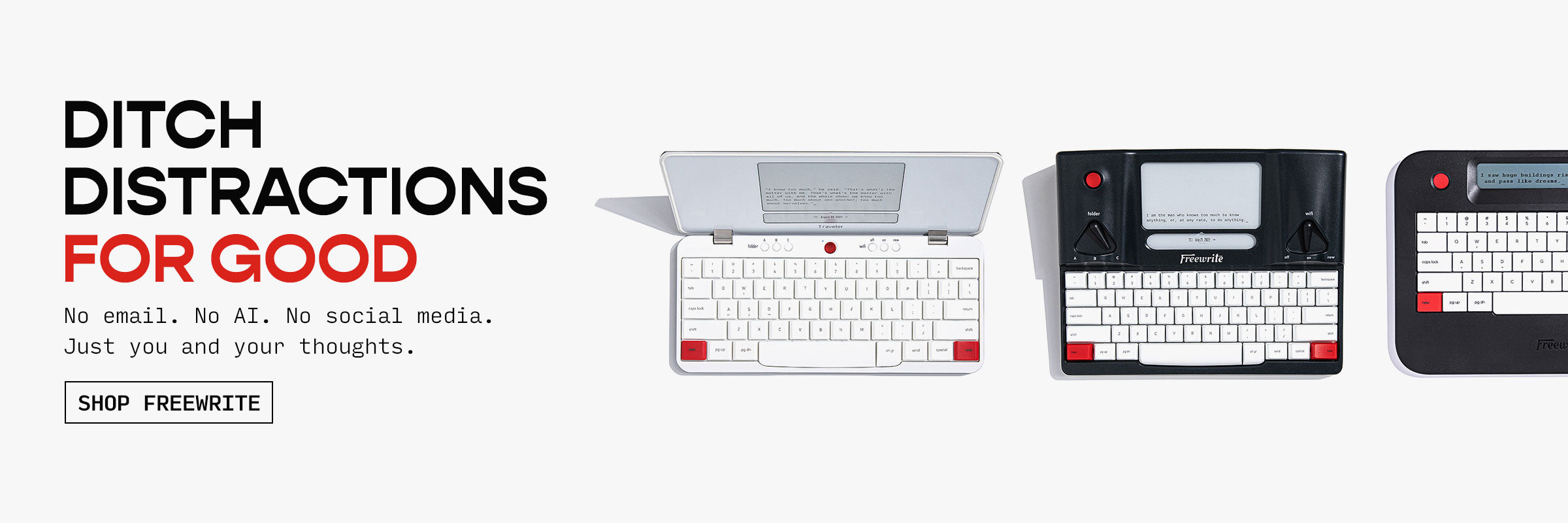
Si desconectar el wifi no te resulta práctico o tienes que pensar en otros miembros de la familia, un dispositivo antidistracciones como Freewrite puede ser la solución perfecta. Sin un navegador que te distraiga, puedes concentrarte en escribir y ver cómo tu productividad se dispara.

Máquina de escribir inteligente Freewrite

6. Creación de personajes complejos

Una de las claves principales de la ficción de calidad son los personajes que realmente atraen a los lectores. Crear personajes tridimensionales que parezcan salir de la página es una habilidad difícil de desarrollar. Me encanta leer, pero no hay nada más decepcionante que un libro lleno de personajes planos y superficiales. Ni siquiera la trama más cautivadora puede salvar esos libros para mí.

Probablemente hayas notado que los seres humanos pueden ser impredecibles. Para que tus personajes sean creíbles, también deben serlo. Es importante que puedas mostrar diferentes facetas de tus personajes, ya que así es como tus lectores los conocen.

Por ejemplo, los escritores principiantes suelen cometer el error de crear personajes villanos que solo muestran su lado amenazante. Sin embargo, esa previsibilidad hace que los villanos sean demasiado fáciles de olvidar, y es importante que tus personajes perduren en la memoria de tus lectores mucho después de terminar el libro.

Piénsalo: ¿qué es más memorable: el villano que solo hace cosas desagradables, o el villano que es desagradable el 90% del tiempo, pero pasa todas las tardes de domingo enseñándole defensa personal a su hermano menor?

7. El rollo de película en tu mente

Los guionistas suelen adaptarse con facilidad a la ficción fantástica, pero a los escritores de ficción no les resulta tan fácil escribir guiones. No siempre es así, y siempre hay excepciones, pero hay una muy buena razón para ello. Escribir para la gran pantalla significa tener una especie de vista panorámica de la historia, visualizando cada detalle como si la película ya estuviera hecha y se proyectara en un carrete mental.

Cuando entreno a escritores que tienen dificultades para dominar elementos narrativos como el punto de vista (PDV) y plasmar sus historias en la página, suelo recomendar un curso corto de escritura de guiones. Tener que pensar constantemente en el punto de vista de cada escena y centrarse en los detalles del entorno, en lo que hacen los personajes al hablar e incluso en lo que se ve al final del plano es una excelente práctica para escribir ficción realista que realmente atraiga a los lectores.

Hay cursos cortos de escritura de guiones que puedes encontrar en línea (como los cursos en Udemy) y vale la pena probarlos para ver por ti mismo cómo tu escritura puede mejorar cuando recorres mentalmente cada escena del carrete de la película.

8. Sigue a tus personajes a dondequiera que te lleven

Si eres de los planificadores meticulosos que mencionamos antes, esto puede incomodarte un poco. A los planificadores no les gusta desviarse. Pero si nunca has tenido el placer de permitir que tus personajes lleven la historia por otro camino, te estás perdiendo algo realmente emocionante.

A veces no funciona y hay que volver atrás, pero otras veces tus personajes te llevan a una aventura de descubrimiento que te permite compartir la misma sensación de emoción y anticipación que experimentan tus lectores.

Sin embargo, para poder seguir a tus personajes, tienes que darles vida en la página. Son los personajes más extraordinarios los que te llevan a las mejores aventuras y te ayudan a descubrir las verdaderas profundidades de tu imaginación.

Me encanta leer libros que de repente toman un rumbo inesperado porque sé que el autor ha vivido una de esas maravillosas aventuras, y su escritura es mucho más rica gracias a ello. Nunca tengas miedo de ver adónde quieren llevarte tus personajes: ¿qué es lo peor que podría pasar?

9. Vive la vida de tu personaje

¿Tu personaje ha comido hoy? En serio. ¿Lo ha hecho? ¿Se ha duchado esta mañana? Quizás pienses que he perdido el hilo (perdón por el juego de palabras), pero los detalles de la vida de tus personajes son importantes para tus lectores. O, al menos, deberían.

He perdido la cuenta de la cantidad de manuscritos que he revisado para clientes de coaching en los que he empezado a preocuparme seriamente por los personajes. No, no necesito saber cada vez que un personaje va al baño, pero tus personajes necesitan tener cierta monotonía en sus vidas para ser creíbles.

Una herramienta muy eficaz para comprobar la credibilidad de la vida cotidiana de tus personajes es intentar vivirla durante un día. Si al final del día estás exhausto y de mal humor por haber estado corriendo de un lado a otro sin comer nada, quizá puedas ver las grietas en la credibilidad. Es necesario que ocurran cosas cotidianas, además de las emocionantes que impulsan la trama; de lo contrario, tus lectores podrían empezar a perder el interés.

10. Si no lees regularmente, no tienes por qué ser escritor

Puede que suene un poco controvertido, y sé que algunos autores superventas insisten en que no pueden leer la ficción de nadie mientras escriben sus propias novelas. Siendo sincero, antes me preocupaba cómo la lectura afectaría mi escritura, hasta que me di cuenta de que no leer era peor para mi oficio que leer.

Sumergirse en la creación de otro autor no solo te ofrece la oportunidad de relajarte y desconectar, sino que también te ayuda a perfeccionar tu técnica. Incluso si el libro que estás leyendo es pésimo, hay algo que puedes aprender de él (como por ejemplo, cómo no escribir una novela).

Leer libros escritos por autores superventas es una excelente manera de desarrollar tus propias habilidades. Puedes disfrutar de un libro y aprender de él al mismo tiempo. Reconoce las técnicas más efectivas. Descubre maneras de usar el lenguaje que no habías considerado antes. Examina el ritmo, los giros argumentales y las innumerables maneras en que los autores muestran en lugar de narrar, y aprovecha al máximo esas mismas técnicas para tu propia escritura.

Consejo extra: escribe para ti mismo

Uno de los mayores errores que puedes cometer como autor es preocuparte por lo que piensen los demás de tu obra maestra. En el momento en que te quedas mirando fijamente ese agujero negro, te estás creando un montón de trampas. No te preocupes por quién podría, o no, leer tu novela. No les des importancia, no mientras escribes.

Escribe tu novela. Disfrútala . Saboréala. Cuando te concentras demasiado en el misterioso "lector potencial", empiezas a cuestionarte y a dudar de ti mismo, hasta que tu creatividad suspira profundamente y se desvanece, frustrada, dejándote mirando desesperanzado el cursor parpadeante en la página en blanco, justo donde empezaste.
noviembre 29, 2025 4 lectura mínima

The Great Freewrite Séance: A Ghost'ly Charity Auction Full Terms & Conditions

These Terms and Conditions (“Terms”) govern participation in The Great Freewrite Séance: A Ghost'ly Charity Auction (“Auction”), organized by Freewrite (“Organizer,” “we,” “us,” or “our”). By registering for, bidding in, or otherwise participating in the Auction, you (“Participant,” “Bidder,” or “Winner”) agree to be bound by these Terms.

1. Auction Overview

1.1. The Auction offers for sale a limited number of Freewrite Traveler Ghost Edition units (“Items” or “Ghost Traveler units”), each personally signed and drawn on by a featured author.

1.2. All proceeds, net of explicitly disclosed administrative costs, will be donated to the charity or charitable initiative (“Charity”) identified on each auction item’s page, as chosen by the respective author.

2. Eligibility

2.1. Participants must be at least 18 years old or the age of majority in their jurisdiction, whichever is higher.

2.2. Employees of Freewrite, the participating authors, or any affiliates directly involved in the Auction are not eligible to bid.

2.3. By participating, you represent that you are legally permitted to take part in online auctions and to pay for any bids you win.

3. Auction Registration

3.1. Participants must create an account on the auction platform or otherwise register using accurate, current, and complete information.

3.2. Freewrite reserves the right to verify identity and to disqualify any Participant who provides false or misleading information.

4. Bidding Rules

4.1. All bids are binding, final, and non-retractable.

4.2. Bidders are responsible for monitoring their bids; Freewrite is not liable for missed notifications or technical issues on the auction platform or the Participant’s device.

4.3. Freewrite reserves the right to:

  • set minimum bids or bid increments;
  • reject bids deemed in bad faith or intended to disrupt the Auction;
  • extend, pause, or cancel the Auction in case of technical difficulties, fraud, or events beyond reasonable control.

5. Winning Bids and Payment

5.1. The highest valid bid at the close of the Auction is the Winning Bid, and the corresponding Participant becomes the Winner.

5.2. Winners will receive payment instructions and must complete payment within 48 hours of the auction’s close unless otherwise stated.

5.3. Failure to complete payment on time may result in forfeiture, and Freewrite may offer the Item to the next highest bidder.

5.4. Accepted payment methods will be listed on the Auction platform. All payments must be made in the currency specified.

6. Item Description and Condition

6.1. Each Ghost Traveler unit is authentic, and the signatures, doodles, and messages are original works created by the participating author. These are authors, not artists. By bidding on the Item, you acknowledge that you are receiving a one-of-a-kind unit marked with unique art and messages and you agree to these terms and conditions.

6.2. Because Items are customized and signed by hand, variations, imperfections, or unique marks are to be expected. These are considered part of the Item’s character and not defects.

6.3. Items are provided “as-is” and “as-available.” Freewrite makes no warranties of merchantability or fitness for a particular purpose.

7. Shipping & Delivery

7.1. Shipping costs, import duties, and taxes may apply unless explicitly stated otherwise.

7.2. Freewrite will make reasonable efforts to ship Items within the estimated timeline but cannot guarantee delivery dates.

7.3. Title and risk of loss transfer to the Winner upon delivery to the carrier.

7.4. Freewrite is not responsible for delays, damage, or loss caused by the courier or customs agencies.

8. Charity Donation

8.1. Net proceeds from the Auction will be donated to the Charity designated on each Item page.

8.2. Donation amounts and recipients may be disclosed publicly unless prohibited by law.

8.3. Winners acknowledge that they are purchasing Items, not making a tax-deductible donation to Freewrite; therefore, Winners will not receive charitable tax receipts unless Freewrite explicitly states otherwise in compliance with applicable laws.

9. Intellectual Property

9.1. All trademarks, brand names, product names, and creative materials associated with Freewrite and the Ghost Traveler remain the exclusive property of Freewrite or their respective rights holders.

9.2. Participants may not reproduce, distribute, or publicly display the authors’ doodles without permission where such rights are applicable, except as allowed by law (e.g., resale of the physical Item).

10. Privacy

10.1. By participating, you consent to Freewrite’s collection, use, and storage of your personal data in accordance with our Privacy Policy.

10.2. Freewrite may publicly announce auction results, including Winner’s first name, last initial, city, state/country, and winning bid amount unless prohibited by law or unless you formally request anonymity when possible.

11. Prohibited Conduct

Participants may not:

  • engage in bid manipulation, fraud, or collusive bidding;
  • use automated systems (bots, scripts, scrapers) to place or monitor bids;
  • interfere with the Auction, platform, or other participants

Freewrite may ban or disqualify any Participant violating these rules.

12. Limitation of Liability

To the fullest extent permitted by law:

12.1. Freewrite is not liable for indirect, incidental, special, or consequential damages arising from the Auction or purchase of Items.

12.2. Freewrite’s total liability in connection with these Terms shall not exceed the amount of the Winning Bid actually paid by the Participant.

12.3. Freewrite is not responsible for technical malfunctions, internet outages, system failures, or other issues beyond its control.

13. Cancellation and Force Majeure

Freewrite may cancel, postpone, or modify the Auction due to unforeseen circumstances, including but not limited to natural disasters, system failures, strikes, or events affecting participating authors or the Charity.

14. Governing Law & Dispute Resolution

14.1. These Terms are governed by the laws of Michigan, without regard to conflict-of-law rules.

14.2. Any disputes arising under these Terms will be resolved through binding arbitration or the courts of the specified jurisdiction, as applicable.

14.3. Participants waive any right to participate in class-action lawsuits relating to the Auction.

15. Amendments

Freewrite may update these Terms at any time. Continued participation in the Auction after updates constitutes acceptance of the revised Terms.

16. Contact Information

For questions or concerns regarding the Auction or these Terms, contact: hello@getfreewrite.com.

noviembre 25, 2025 1 lectura mínima

This is a great gratitude writing exercise to be done alone or in a group, with people of any age.

How to Play

    1. Designate someone to read out each prompt below. (Feel free to add your own prompts.)
    2. After each prompt is read, set a timer for one minute. (With younger kids, this can be shortened. For older folks who want to freewrite meaningfully, more time can be added.)
    3. Each person freewrites by finishing the sentence and elaborating until the timer goes off. (For little kids, this can be done verbally with an adult recording their answers. Hilarity will ensue.)
    4. Remeber that freewriting — allowing yourself to write with abandon — enables you to let go, tapping into your subconscious to explore your thoughts more deeply.
    5. When everyone is done with all the prompts, take turns going through some your answers. Some people may be eager to share. Others may not want to. Respect their decision.

The Prompts

  • I'm grateful for... [After you've finished this prompt, repeat it five times. Challenge yourself and others not to repeat a singe word with each new answer.]
  • The silliest thing I'm grateful for is...
  • The littlest thing I'm grateful for is...
  • The biggest thing I'm grateful for is...
  • The grossest thing I'm grateful for is...
  • One thing I love about myself is...
  • My favorite thing that happened this year was...
  • My hope for next year is...

This writing exercise has resulted in some sweet answers — and many hilarious ones, too. If you try it out, do let us know.

Write on.

noviembre 21, 2025 4 lectura mínima

For the release of Sailfish, our new firmware update for Smart Typewriter Gen3 and Traveler, we created a brand-new boot-up animation to surprise and delight our writers.

We worked with talented Danish animator Mathias Lynge to bring our experience of the writer's journey to life.

We had a blast visualizing the writer's journey in this new way. Our engineers also had a blast (or something less than a blast) figuring out how to adjust this fun, playful animation to E Ink's very tricky specifications. Hello, refresh rate woes! But we think the result is pretty fun.

"The little animation made my day when I noticed. I love a good flourish."

- Freewrite user

The process of creating this animation was long and full of Zoom calls where we deeply discussed the writing process. We were struck through those conversations by how much overlap there is in creative processes of all disciplines.

So we sat down to chat with Mathias about his creative process and what it's like being a full-time animator.

ANNIE COSBY: Let's start with the basics. What kind of art do you make?

MATHIAS LYNGE: I'm a 2D animator and motion designer working freelance with a wide range of clients. The style varies depending on the project, but it’s usually either a hand-drawn look animated frame-by-frame on a drawing tablet, or a more digital, vectorized look made in After Effects.

While much of what I do is commercial work, I try to keep up with my own passion projects as well. That could be a 10-second Instagram loop of a nature scene, or an interesting character design I’ve sketched down with a pencil. It’s there that I get to sharpen my skills and try out new techniques, which often find their way into later client projects.

AC: You often share educational content on social media for other artists. Are you formally trained, or did you teach yourself?

ML: I’m mostly self-taught. I’ve been drawing for as long as I can remember, but it wasn’t until I went to university that I realized drawing could become a career.

When I first heard terms like “motion design” and “The 12 Principles of Animation” I was on a student exchange program at UCSB in California, where I had chosen a class called "Introduction to Animation." It was a big eye-opener for me, and from that point I was hooked.

But it’s mainly been online YouTube tutorials and my existing drawing experience that have taught me what I know.

Now, I have a big presence on social media, where I share my art as well as educational content centered around animation in Adobe After Effects, so I guess you could say that I'm also an animation influencer!

I’ve been drawing for as long as I can remember, but it wasn’t until I went to university that I realized drawing could become a career.

AC: That's actually how I first found your work. Do you have any specific artists who inspire you?

ML:In the world of 2D animation, I have a list of personal heroes that inspire me with their unique style: Reece Parker, Ariel Costa a.k.a. BlinkMyBrain, and Tony Babel, to name a few.

I also find a lot of inspiration from illustrators and painters I discover online, on platforms such as Pinterest. Last year I made a sparkling water animation that was heavily inspired by Cornwall-based artist Gordon Hunt. He makes these beautiful nature-inspired pointillist paintings that capture how light hits the ocean using colorful dots of paint. I tried to recreate that effect using After Effects to bring it to life, and it led me to a whole new way of animating within the program.

AC: Where else do you draw inspiration to create your work?

ML: I’m heavily inspired by the nature and cityscapes around me in Copenhagen, and I find that taking long walks through parks or down the streets of my neighborhood really sparks my imagination.

I’ll often carry around a sketchbook to quickly scribble down an idea or a loose sketch of something I find interesting, such as seeing how the light from a lamppost hits the surrounding leaves, or how the wind moves the tree in a certain way.

Then I’ll think to myself, “I wonder if I can recreate that motion using a specific technique in After Effects?”

I’m heavily inspired by the nature and cityscapes around me in Copenhagen...

AC: What does your daily routine look like as a full-time artist?

ML: It varies a lot, but I’m usually either working hard on a client project or tinkering away with a new animation tutorial for my social media channels.

I love being able to switch between the two, and when I’m going through a client dry spell, I find that staying creative and posting animation-related content helps keep me inspired while also putting things out into the world that may lead to my next client down the road.

AC: What's your #1 piece of advice for animators new to the industry?

ML: Keep experimenting and trying out new techniques. There’s no such thing as running out of creativity, and even though many of the things you try don’t necessarily go anywhere, it’s all experience that adds up and expands your toolbox. It’s a muscle that needs to be worked out regularly.

Plus, you’ll have more awesome animation to choose from when you’re putting together your next showreel or portfolio!

There’s no such thing as running out of creativity...

AC: What's one fun fact about you completely unrelated to animation?

ML:I’m a big sucker for history podcasts, especially if they are about ancient civilizations, such as The History of Rome by Mike Duncan.

I find it fascinating to hear how mankind was able to build such great empires without ever knowing what electricity, cars, or the internet are.

--

Follow along on Mathias's creative journey and find his free educational content on Instagram.

To learn more about working together, find him on LinkedIn or visit his website at www.mathiaslynge.com.

Learn more about Sailfish here.