La serie "Historias de escritura libre" -
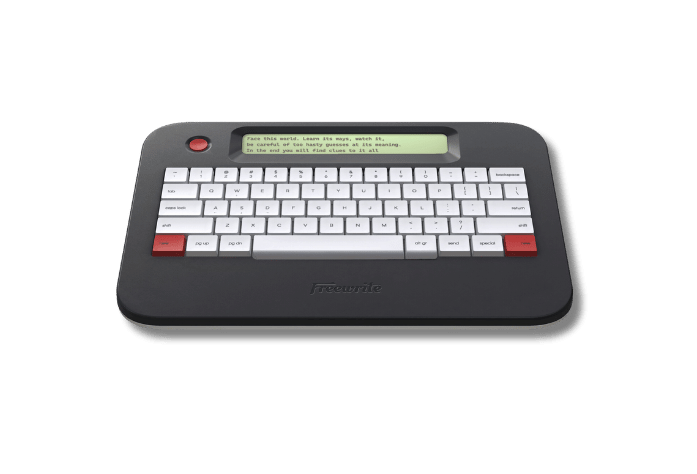
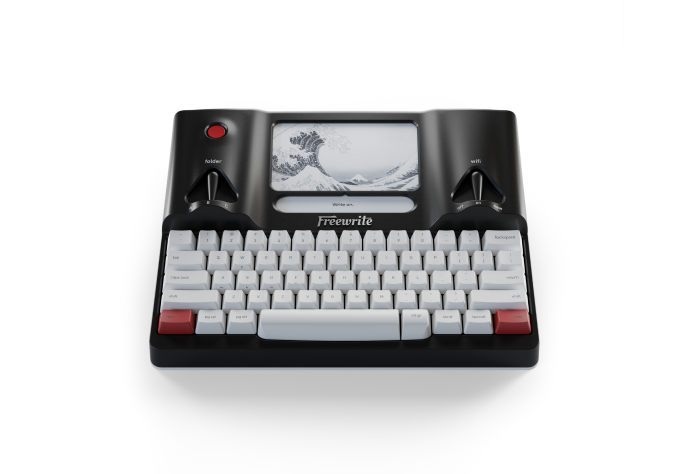
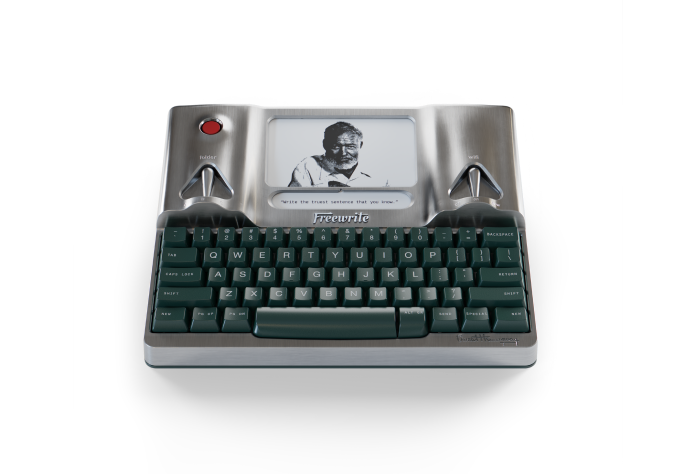
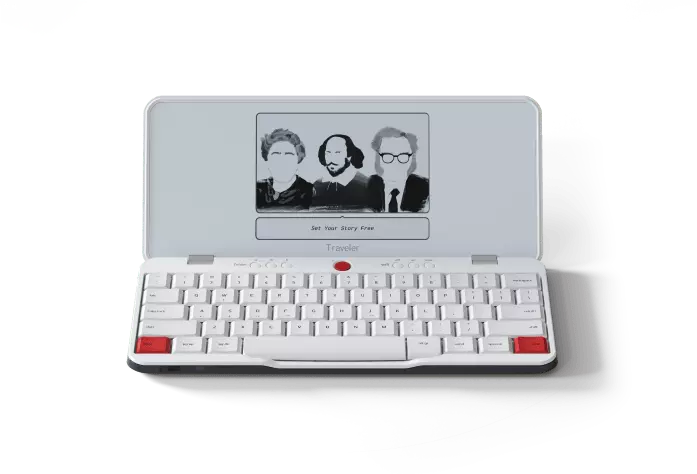
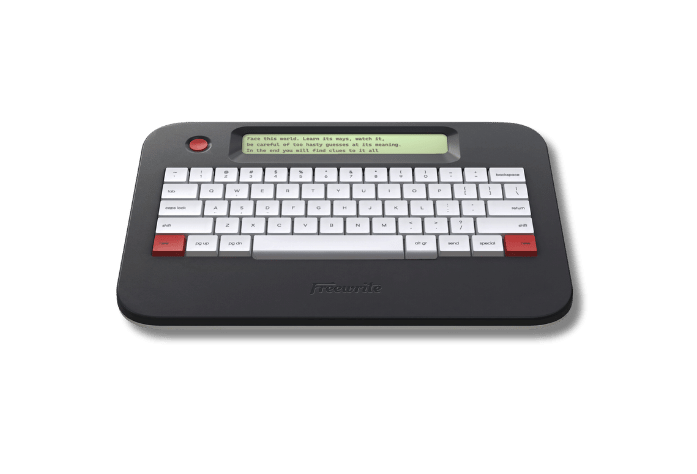
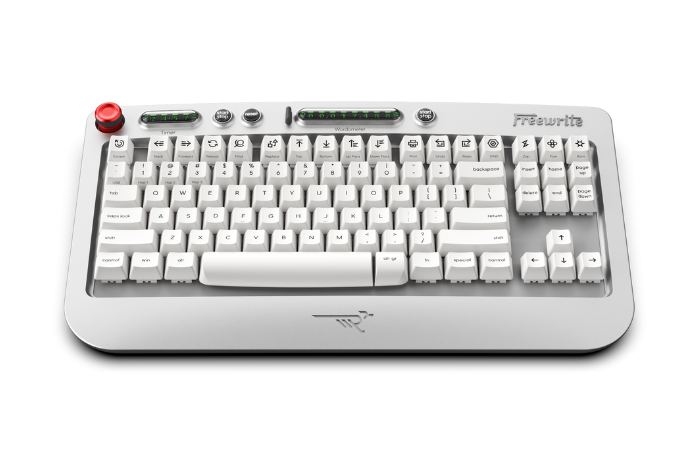
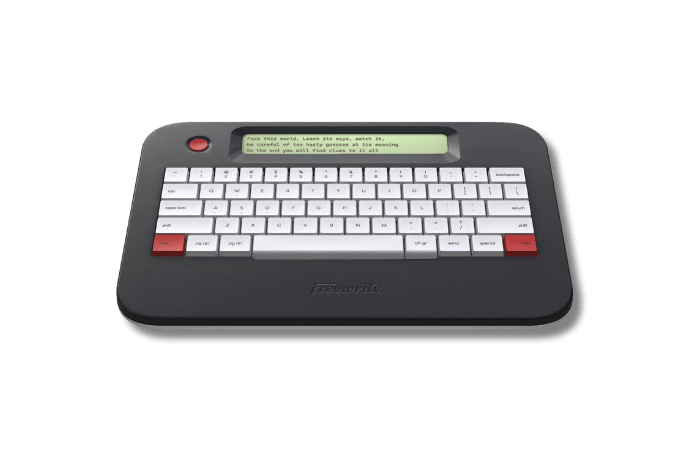
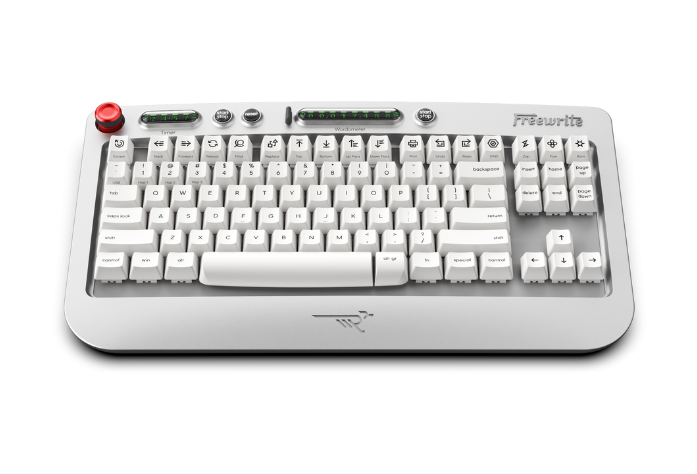
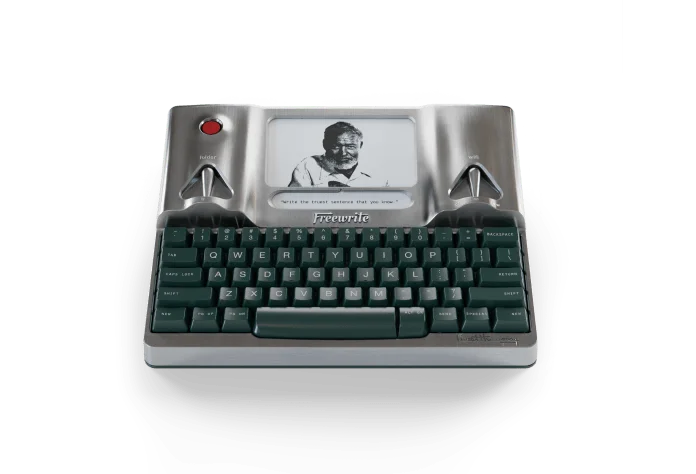
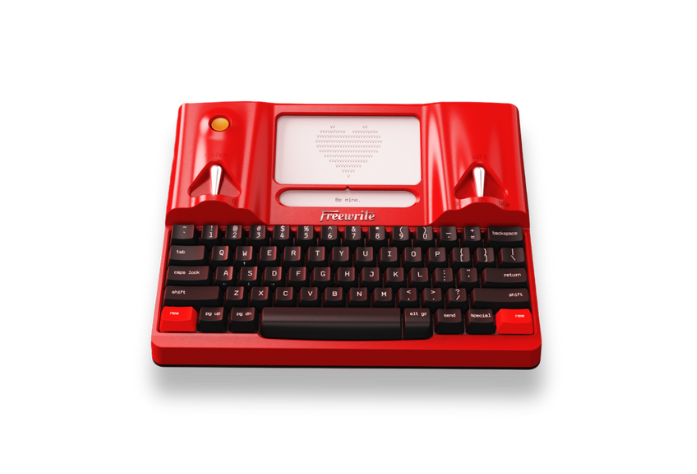
En Astrohaus, siempre buscamos maneras de apoyar y animar a escritores apasionados como tú. La máquina de escribir inteligente Freewrite sin distracciones ha ayudado a miles de escritores a escribir más. Historias de Freewrite es una iniciativa en la que invitamos a nuestra comunidad de grandes escritores a compartir algunas de sus historias y experiencias. Nos gustaría fomentar una comunidad donde los escritores se ayuden entre sí, y esperamos que esta serie lo consiga. La serie Historias de Freewrite incluirá una gran variedad de formatos, desde cuentos, poemas y fragmentos hasta colecciones completas de libros electrónicos. La serie también se dividirá en temas que van desde el "Proceso de Escritura" hasta la "Publicación".
Historias de escritura libre: Proceso de escritura Vol. 1 -
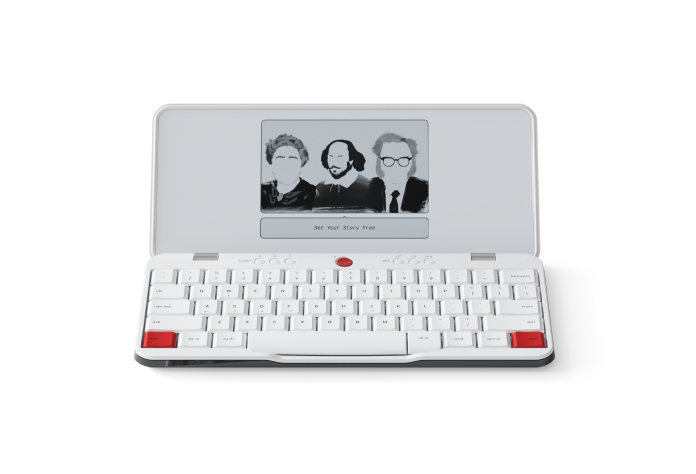
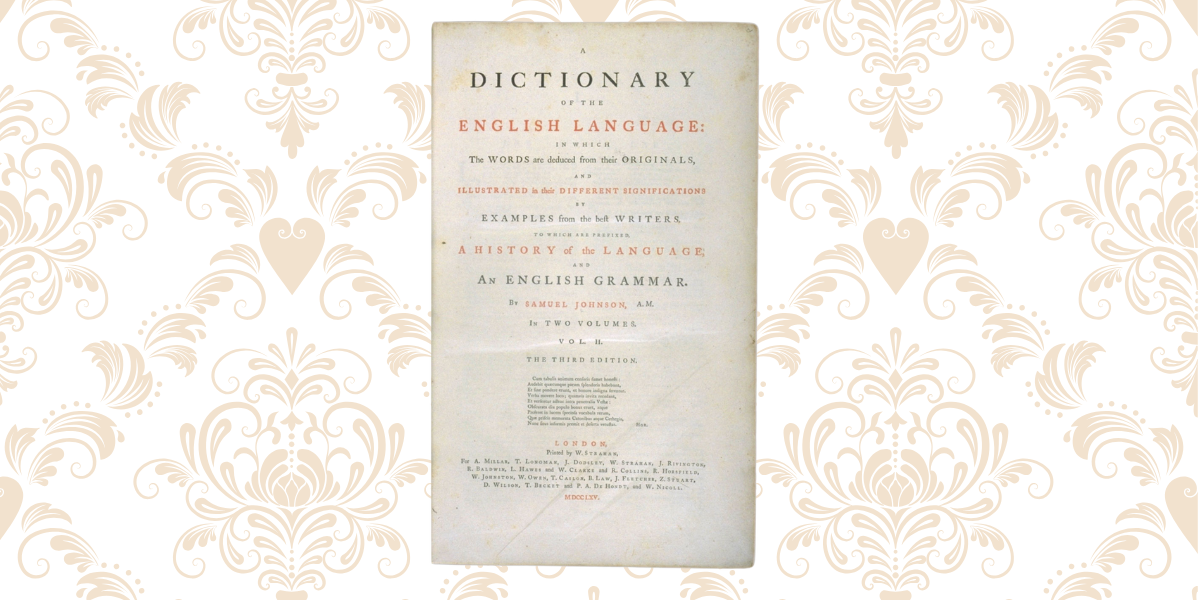
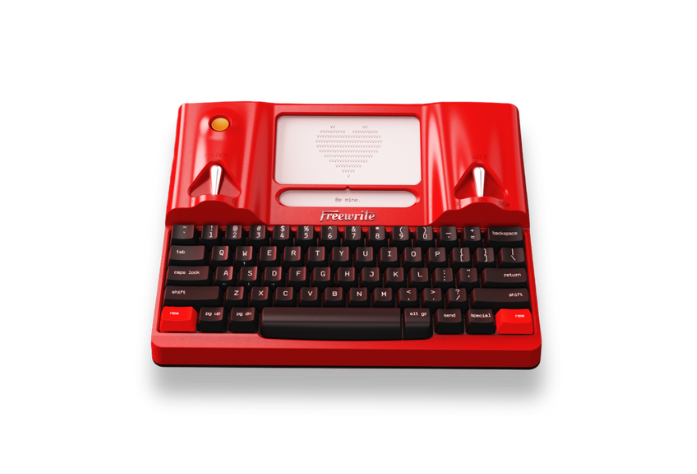
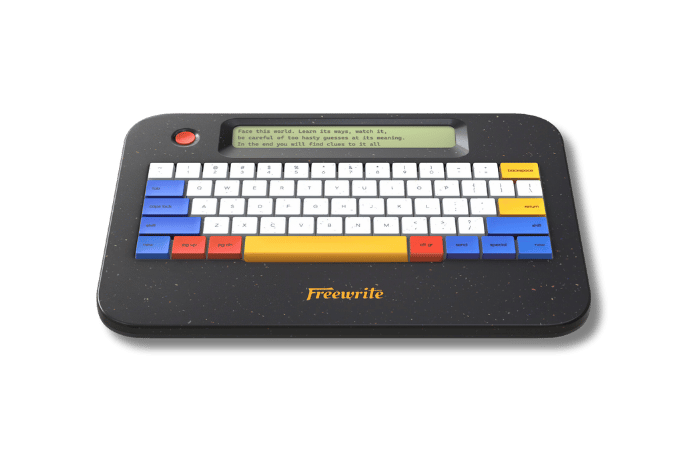
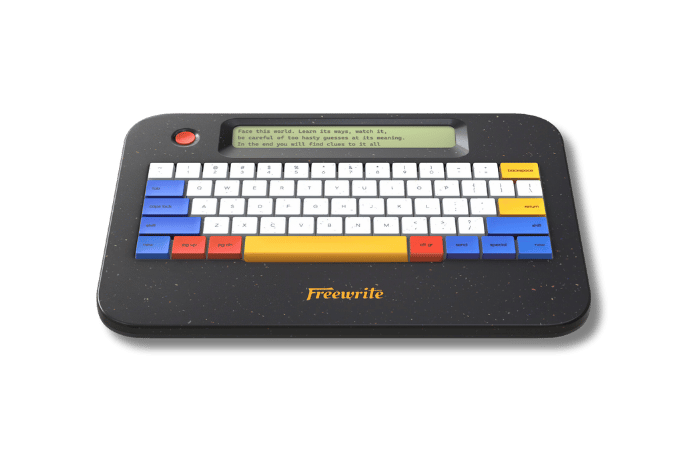
En este primer artículo, les pedimos a algunos usuarios activos de Freewrite que respondieran a una pregunta sencilla: una vez que tienes una idea, ¿cuál es tu proceso de escritura diario? A continuación, se muestran algunas de las respuestas sin filtro. Haz clic en el gráfico a continuación para ver la versión en ebook o continúa leyendo.

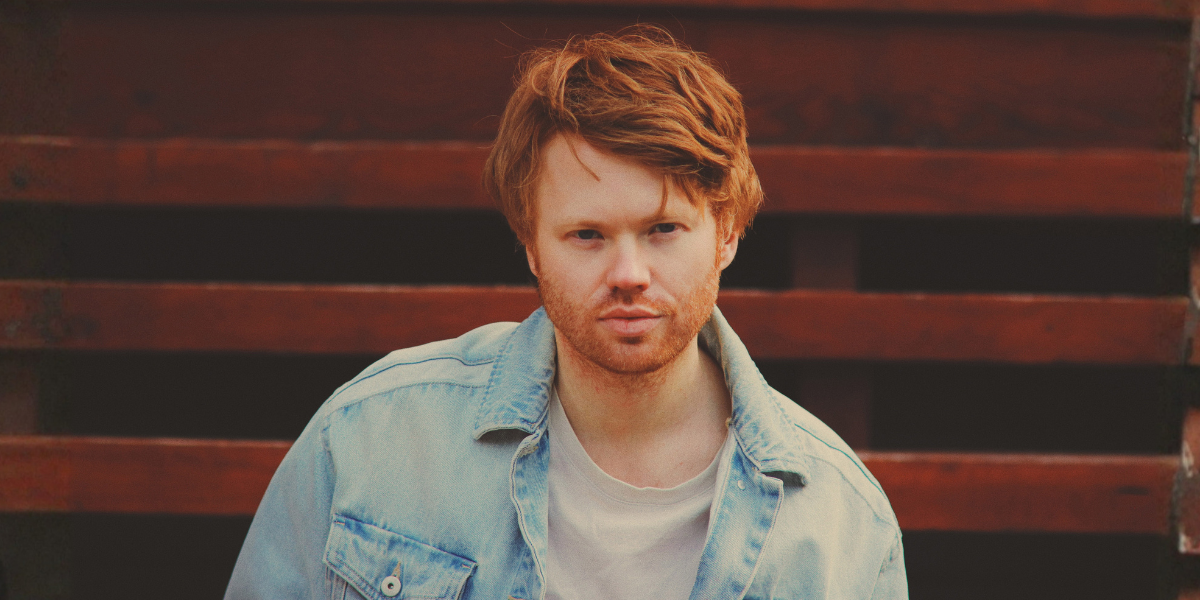
Ivo Senden, Países Bajos
Mi Freewrite y yo encontramos un lugar feliz. En verano, puede ser al aire libre, bajo el sol. Durante la época oscura, de octubre a marzo, solemos acurrucarnos en el sofá y resguardarnos del frío. Aquí es donde escribo. Dos horas al menos, cuatro con suerte. Yo hablo, mi Freewrite escucha pacientemente. Todos y todo lo demás será ignorado. Tanto por mi Freewrite como por mí. Una vez terminado un capítulo, lo paso de mi Freewrite a un lector electrónico para corregir y marcar cada obstáculo en mi camino como escritor. Corrijo, acorto, mato a mis proverbiales favoritos. Después de redactar, releer y marcar en pantallas de tinta electrónica, rechino los dientes un poco para prepararme para trabajar en mi portátil, donde uso Scrivener para ordenar mis borradores y hacer las correcciones finales. Celebro cada capítulo terminado dándole a mi viejo portátil un buen golpe en la espalda. Si fuera guionista de una película de Hollywood, abriría una botella y me fumaría un puro enorme. Claro que soy un tipo normal en los Países Bajos que tiene que trabajar para ganarse la vida, así que ahí es donde voy. Hasta que llega la hora del siguiente capítulo, que persiste en mi cabeza mientras mi escritura libre espera pacientemente.
 Nací el día del estreno de Star Wars (el 25 de mayo de 1977), crecí con una imaginación desbordante y comencé a escribir cuentos a los nueve años. Mi primer libro, sobre la historia de un antiguo cine, se publicó en 2008. En 2015, se publicó mi primera novela, «Zwarte droom», y en 2016, «Gevallen land» se convirtió no solo en mi segunda novela publicada, sino también en mi primer libro escrito en Freewrite.Ivosenden.wix.com/boeken , facebook.com/ivo.enspike
Rachel O'Laughlin, Maine, EE. UU.
Normalmente, empieza a las 5:00 a. m. con un ligero dolor de cabeza y una taza de café con demasiada crema. A veces tengo 200 páginas impresas en la mano y un bolígrafo rojo en la mano. A veces, abrazado a mi portátil. A veces tengo un bebé en mi regazo jugando con un cangrejo de madera en una sala de espera mientras intento recomponer una frase difícil de entender en un teléfono con la batería agotada.
Cada día estoy en una fase diferente de composición. Un poco menos dispersa, un poco más inspirada, una dosis igual de cada... No hay nada consistente en esta chica en el día a día, pero mes a mes, temporada a temporada, hay vestigios de orden.
Primero, cuadernos. Cuadernos tan pequeños que caben en un bolso enorme, tan grandes que no se llenan con menos de cuatro meses de divagaciones. Una pluma estilográfica que se corre y fluye demasiado rápido para las palabras que quiero que plasme. Una escena, una cronología, una idea, a veces solo una frase. Normalmente, los momentos más impactantes y horrendos de una historia son los que primero me vienen a la mente.
Luego, un capítulo mecanografiado, un archivo de texto de Evernote, un documento al azar en mi carpeta de escritos de mi MacBook de ocho años. Una novela de mi estantería con prosa que me servirá de guía para el tiempo y la perspectiva; algo contundente pero no demasiado denso, como la Cronología de Crichton o Estudio en Escarlata de Doyle. Antes, durante esta etapa, me acurrucaba en los rincones o en el asiento del copiloto con mi teléfono y un teclado Bluetooth; ahora me he dado el gusto de tener una máquina de escribir portátil con teclas de ensueño, tan resistente que no se puede destruir y con una pantalla de tinta electrónica que podría mirar fijamente durante siglos.
Cuando un manuscrito tiene su propia carpeta en Documentos, es algo real. Se ha superado el umbral. Dropbox no puede contenerlo todo. Hay fragmentos de trabajos anteriores que se copian y pegan, se guardan como "¿Añadir al tercer borrador? ¿Quizás?" y "Esto podría ser una porquería".
Las fechas límite son la etapa final. Una fecha límite es lo único que puede hacerme sentarme y escribir linealmente. El borrador lineal es una necesidad para mi cerebro indisciplinado; sin él, las escenas encadenadas serán un diario de viajes en el tiempo que no podría calificar como la peor película de serie B de los años 70. Las fechas límite requieren recuentos de palabras, capítulos que puedo arrastrar y soltar, y compilar con un clic para guardar las revisiones séptima, octava y novena. Las fechas límite requieren Scrivener. Word hace su parte con el control de cambios. Dos o tres compañeros de crítica me dan las correcciones principales, cuatro o cinco lectores beta detectan las molestas ideas posteriores que acechan mis párrafos casuales o cansados. Antes de terminar un proyecto, me alegro de tener PayPal y Adobe para poder contratar a mi increíble editor, que vive a 1600 millas de distancia, para que le dé el toque final a mi borrador. Un repaso final es una bendición después de eso.
He hecho esto con tres novelas hasta la fecha. Me llevó dos años completar cada una. Claro que todavía tengo cinco o seis manuscritos más en diversas etapas de incertidumbre. ¿Hay alguna parte de este proceso que deteste? La verdad es que no. Cada una es como cuidar al hijo de otra persona. Los adoro mientras estoy allí y me esfuerzo por darles lo mejor de mí, pero siempre existe la tensión de no estar seguro de si estoy haciendo algo bien, de preguntarme si estoy ayudando o perjudicando el producto final.
Pero bueno, tengo otra libreta mediana. Y tengo un cartucho nuevo en mi pluma estilográfica.
 Crecí escribiendo relatos de secuestros en un rincón oscuro de una casa ruidosa. Después de la preparatoria, los dejé de lado para salir de gira con mi banda de bluegrass, despotricar en un blog y sumergirme en la vida sostenible. Tras el nacimiento de mi primer hijo, volví a la ficción (y a los relatos de secuestros). Vivo en Nueva Inglaterra con mi esposo y mis tres hijos, escucho a The Fray y bebo demasiado café orgánico guatemalteco. Mis obras publicadas incluyen fantasía de alta calidad basada en la historia rusa; mis obras inéditas incluyen literatura histórica basada en mis fantasías de convertirme en Anthony Doerr. rachelolaughlin.com , twitter.com/rachelolaughlininstagram.com/rachelolaughlin

Jo Richter, Alemania
UN LARGO PASEO POR UN LARGO RÍO
La identidad se trata de las hendiduras que moldean el yo, y de las protuberancias que se proyectan para mellar y moldear a los demás, así como al entorno, cuando este yo no encaja. Como poeta —este fenómeno atmosférico de niebla matutina que cubre gestalts individuales y las extrae lingüísticamente de estos moldes, estas hendiduras en tu propia forma—, me he dado cuenta de ello. Pequeños libros negros sobresalen de mis bolsillos, ansiosos por ser llenados en las grietas del tiempo, en las fisuras entre las exigencias sociales y profesionales que me imponen o que yo mismo he iniciado. Como poeta, mi identidad es evasiva, intermedia.
Siempre que me entrego a la prosa, las cosas son diferentes. No solo tengo que organizar una tarde o noche extraña para estar con lo que me ha pedido o invitado a estar presente como narración. Componer en prosa es como una larga caminata junto a un largo río. Necesito resistencia, equipo y puntos de referencia adecuados para estructurar mi progreso. Tengo que saber cuándo tomar un descanso y qué hacer cuando se ciernen nubes más oscuras sobre mí. Los pequeños libros negros pueden servir para las objeciones que revolotean. Para eso solo sirven al escribir prosa. Impresiones de mariposas.
Un río es una masa de agua impulsada por una fuerza común. Es la presión ejercida sobre las orillas y el lecho. Es la pura fuerza de voluntad de la gravedad direccional, que se detiene de vez en cuando para convertirse en torrentes de rocío y cascada al instante siguiente. Es la estructura en estado puro. Para lidiar con ella, se necesita un recipiente capaz de soportar esta serena brutalidad. Las máquinas de escribir y los ordenadores solían hacer este trabajo por mí. Cuando mi cuerpo interior estaba en forma, simplemente les pedía que contuvieran el torrente de mi imaginación. Sin embargo, especialmente con los ordenadores, no podía evitar notar que sus exigentes peculiaridades y su mecánica engorrosa buscaban invadir mi capacidad para escribir. Ahora que tengo la escritura libre para seguir las tramas, me siento menos limitado y me he animado a organizar un largo descanso de las actividades que me ayudan a ganarme la vida, para dedicarme solo a practicar senderismo y remo.
Nadie puede caminar eternamente. Los momentos de descanso y la distancia para recuperar la concentración son vitales. No escribo todos los días de la semana ni todos los meses del año. La estructura de mi proceso de escritura se basa principalmente en mi crecimiento interior y mi preparación. Las estructuras externas —los rígidos horarios de la sociedad, el trabajo, el cuidado y el autocuidado— abundan de todos modos. Escribo con responsabilidad, es decir, cuido mi aptitud mental y lingüística, la agilidad de mi conciencia, la viveza de mi experiencia y la sensibilidad de mi imaginación. Escribo cuando la narración está presente, lista para emerger, permitiendo sus silencios y arrebatos únicos. Escribo cuando sé qué flores recoger y cuáles ver crecer.
Claro, a veces simplemente sigo adelante. Eso es lo que hago cuando lleno esas páginas extra (y páginas, y más) que no forman parte de la narrativa final. Conservo lo que conecta y enriquece, cuestiono lo que embellece. Reescribo. Pero esto no es una estructura de tiempo externo. Es más bien un ritmo interno, formulando las buenas rachas y sobreviviendo a las malas. La verdadera escritura ocurre cuando la historia y yo encajamos. En eso consiste la identidad de un prosista como yo. Cualquier otra cosa significa rendirse o sufrir un golpe. Lo cual también podría ayudar, de vez en cuando.
Jo Richter, *1963, vive, trabaja y escribe a orillas del lago de Constanza, Alemania. Existe un sitio web llamado richtersportfolio.wordpress.com que muestra algunos de mis poemas, la mayoría en alemán. También encontrará mi biografía como escritora en la página de "Impressum", también en alemán.

Carsten Damm, Alemania
No tengo rutina diaria. En cuanto a mi horario, mi vida es caótica. Tres hijos, una esposa que trabaja a turnos con un horario inestable y en constante cambio, y un trabajo diario exigente me quitan cualquier intento de siquiera pensar en una rutina diaria. Créeme, lo intenté.
Antes de tener hijos, los tiempos eran diferentes. Me levantaba muy temprano, sobre las 5 de la mañana, me sentaba frente a la computadora con una taza de café y escribía felizmente durante dos horas antes de ducharme e irme a trabajar. El tiempo libre flexible por las tardes y las noches me permitía aumentar mi vocabulario casi a diario. ¡Qué tiempos aquellos, ¿verdad?!
Hoy en día, las noches son lo único que nos queda. Pero con nuestros hijos creciendo y trasnochando más, incluso esas horas corren peligro. Por no hablar de tener los ojos vidriosos después de que por fin se hayan acostado y de que todas esas tareas, amigos, familiares y (por último) la esposa hayan quedado satisfechos.
Pero aún queda mucha energía creativa al final de cada día, y el deseo de liberarla al mundo sigue siendo fuerte. Me encantan esas horas de la noche, pero las dedico principalmente a perfeccionar el material que escribí durante el día o a maquetar otro material, porque eso es algo que solo puedo hacer en la computadora que tengo en casa.
Así que lo único que realmente puedo llamar rutina es escribir en los momentos de la vida diaria, cuando de otro modo estaría inactiva. La movilidad es clave, y poder escribir algunos párrafos de vez en cuando es la única manera de plasmar algo. En la sala de espera, cuando mi hijo toma sus clases de karate o guitarra, o las de baile de mis hijas. Mientras espero una cita médica. Mientras cocino para una familia de cinco. En el tren. En la pausa del almuerzo. Cuando y donde sea que tenga unos minutos libres. A veces, incluso en casa.
Mantengo mis proyectos organizados con métodos ágiles que se emplean habitualmente en el desarrollo de software. Algunos digitalmente en la web, otros físicamente en un cuaderno tradicional. La red de escritores y desarrolladores con los que colaboro es global, y aunque todos sabemos que nuestro trabajo es solo un pasatiempo, lo disfrutamos con cierta sinceridad. Al fin y al cabo, lo que hacemos es algo que nos apasiona.
Es cierto que la producción total es menor de lo que sería si no tuviera hijos y me dedicara a todo esto a tiempo completo. Pero los niños crecerán y nunca dije que quisiera dedicarme a esto. Cada día es diferente, pero todos los días se hace algo. Un esquema, un artículo, la sección de un capítulo, notas para una lluvia de ideas, descripciones de las ilustraciones que necesitamos, un archivo editado, un plan para el mes siguiente; sea lo que sea, su progreso. Una rutina, por así decirlo.
Carsten Damm (nacido en 1974) es padre, escritor, traductor, diseñador de juegos y editor alemán. Desarrolla y escribe juegos de rol y material similar bajo los sellos Vagrant Workshop y Pro Indie, tanto en inglés como en alemán. Como padre de tres hijos, gestor de proyectos, apasionado de la tecnología y metalero, su tiempo para escribir es escaso y no está sujeto a un horario rígido. vagrantworkshop.com , pro-indie.com , twitter.com/VagrantWorkshop , facebook.com/VagrantWorkshop/
Entonces ¿qué pasa ahora?
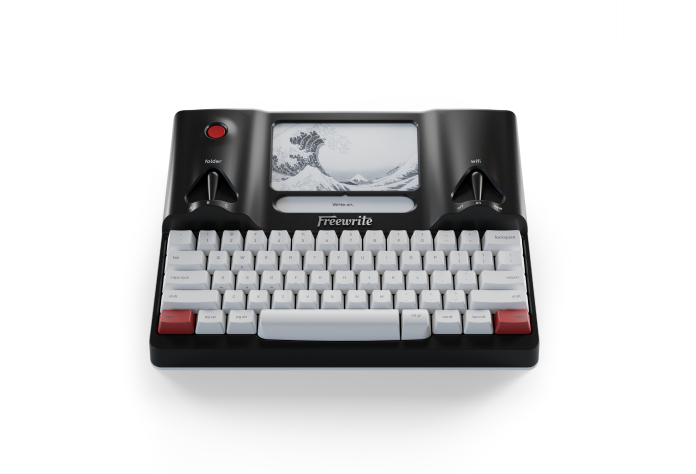
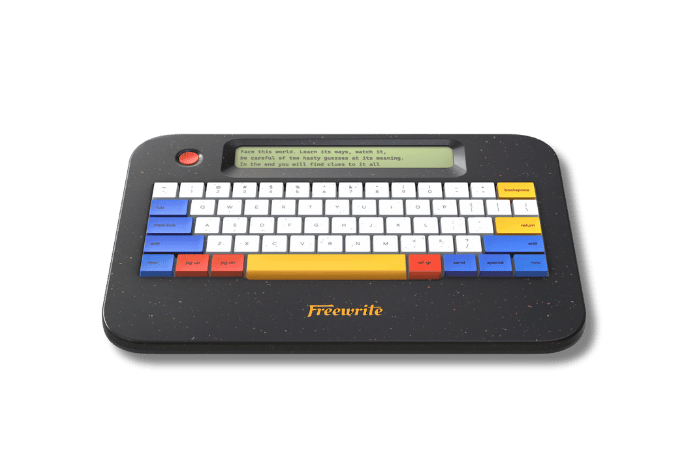
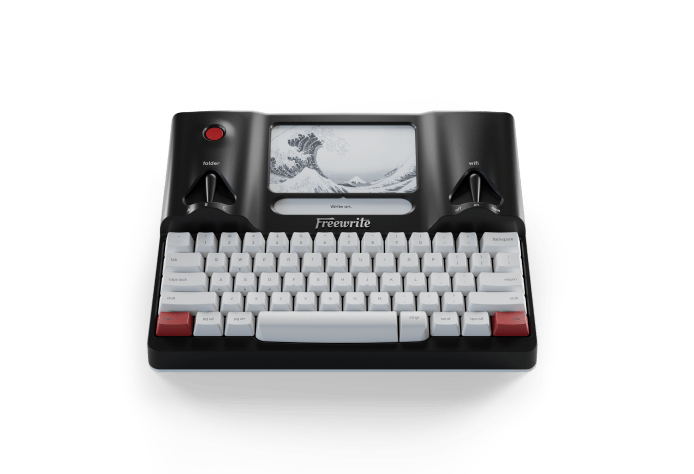
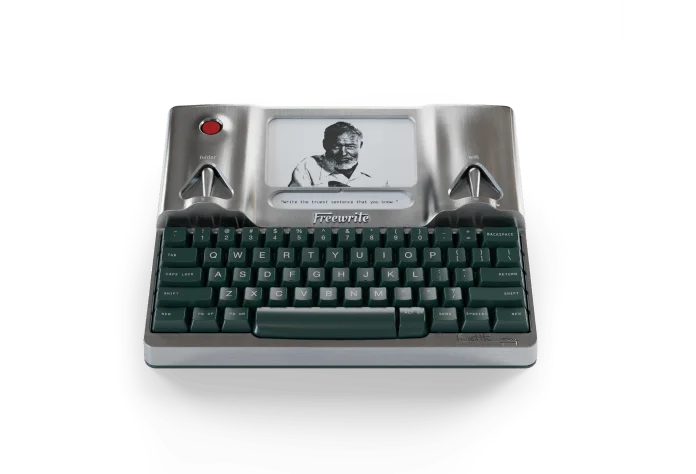
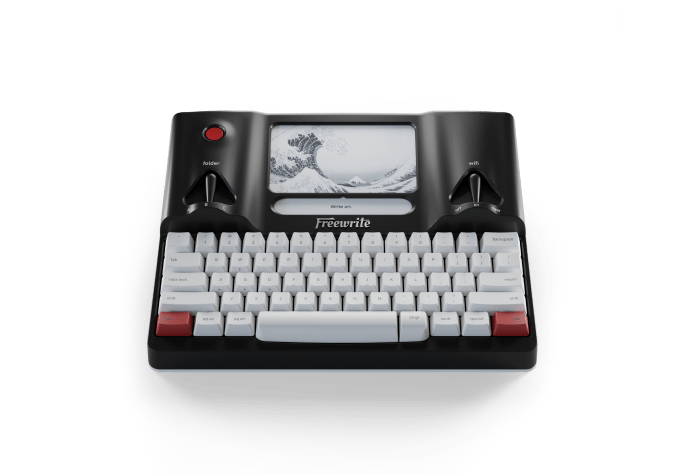
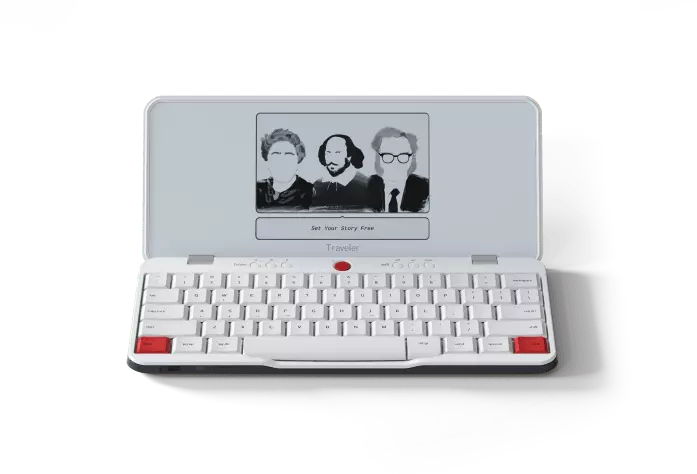
Conocerás de primera mano cómo trabajan cuatro escritores diferentes, pero la trayectoria de cada uno es única: puedes diseñar una rutina rígida y seguirla fielmente. Otros han tenido mucho éxito con la ayuda de una herramienta de escritura. Descubre si Freewrite podría ser la herramienta perfecta para ti haciendo clic en la imagen de abajo para más información.