overlaylink

Match My Freak : la pandémie a-t-elle tué notre honte de lire ?

Harrison Cook
septembre 05, 2024 | 8 lire la lecture

Chacun a une histoire de pandémie. Certains se souviendront du jour où l'état d'urgence a été déclaré dans leur pays ; d'autres auront pris des précautions des mois auparavant.

Je me souviens de la rapidité avec laquelle tout cela s'est produit : les normes sociales ont basculé, se sont inversées et ont fait des tonneaux, ce qui me donne encore le vertige lorsque je lis une note dans mes carnets datant de 2020. C'était censé être l'année du renouveau. Tout le monde allait prendre un nouveau départ. Je me souviens d'en avoir discuté sur le porche d'un ami au début de la pandémie.

La faible possibilité de notre année planait dans l'air comme les conséquences d'un feu d'artifice, se dissipant pour laisser place à l'avenir brutal qui nous était présenté. Faisant partie d'un petit groupe d'amis qui prenaient leur isolement social au sérieux, nous étions seuls, mais au moins nous pouvions être seuls ensemble. Je m'asseyais avec mon ami, me souvenant du bruit des voitures qui roulaient dans la rue.

« Ça va devenir bizarre », me souviens-je lui avoir dit. « Surtout l'art. »

« J’espère bien », dit-elle.

En repensant aux années suivantes, 2021, 2022 et 2023, l'étrangeté est devenue la norme – dans les livres, dans les films, partout. A24 a sorti certains de ses titres les plus marquants et les plus kitsch, comme The Green Knight et Everything Everywhere All at Once , qui a même remporté l'Oscar du meilleur film en 2023. Amazon Studios a tenté de copier cette esthétique avec des succès comme Saltburn . Les récits de faits divers dramatisés ont explosé – vous vous souvenez de cette petite série intitulée Tiger King ?

Excusez-moi d’utiliser l’expression « la nouvelle normalité », mais l’irréalité présentée par la pandémie a affecté notre consommation artistique, transformant la nouvelle normalité en quelque chose de carrément étrange.

En fait, je crois que notre expérience collective de la pandémie a donné naissance à la popularité actuelle des récits aux prémisses fantastiques et étranges et à l’acceptation généralisée de ces choses qui étaient autrefois considérées comme « étranges ».

« Ça va devenir bizarre », me souviens-je lui avoir dit. « Surtout l'art. »

L'essor du porno obscène

Sarah J. Mass, auteure de Throne of Glass , A Court of Thorns and Roses et de la série Crescent City , a vu ses ventes bondir grâce à leur popularité sur BookTok . A Court of Thorns and Roses , initialement publié en mai 2015, et dont le dernier opus est paru en 2021, lui a valu le surnom de «  La Reine Mortelle de la Cochonnerie Féerique ». Publishers Weekly a salué « l'esthétique académique sombre et sexy » du livre, en plus de lui décerner une critique élogieuse.

À l'été 2023, tout le monde semblait lire une série de Maas. Je regardais autour de moi dans la salle de pause et je trouvais des collègues en train de lire un livre de Maas. Un de mes amis allait même jusqu'à lire à voix haute un passage (sans contexte préalable) où le protagoniste caresse un autre personnage. (Je généralise pour ne pas gâcher « Un palais d'épines et de roses » pour ceux qui, comme moi, sont à la traîne.)

Le sens originel du mot « scorch » désigne un petit flocon de suie ou autre saleté. Qualifier un livre de « scorch » renvoie à cette définition de la saleté, de cette souillure, ce qui, à mon avis, ne fait qu'en souligner la nécessité.

Du jour au lendemain, tout le monde semblait lire Fourth Wing (le premier tome de la série Empyrean ) de Rebecca Yarros, qui vient de remporter le prix du Livre international de l'année aux TikTok Book Awards. Qualifié de « roman d'amour rempli de dragons », je demandais souvent à mes collègues s'ils lisaient aujourd'hui des histoires de dragons ou de fées. Pourtant, ceux de mes amis qui lisaient Fourth Wing m'ont assuré que le point fort de la série n'était pas les « moments coquins », mais plutôt l'intrigue, qui pourrait en comporter ou non. « Tu verras quand ce sera repris en série », m'a dit mon collègue. L'éditeur de Fourth Wing vient de confirmer un potentiel achat et développement de la série par Amazon Studios .

Même les nouvelles et les essais personnels (et autres textes hors genre) ont rehaussé la valeur artistique des scènes de sexe. En feuilletant un magazine sur papier glacé ou une revue littéraire en ligne, les personnages proches les uns des autres acceptaient très probablement des caresses consenties. La pandémie nous a rendus avides de scènes d'intimité, et je ne peux pas en vouloir aux lecteurs. Durant une longue période d'incertitude où l'intimité était menacée, notre imagination a créé la meilleure alternative.

La pandémie nous a donné envie de voir des scènes d'intimité, et je ne peux pas en vouloir aux lecteurs. Durant cette longue période d'incertitude où l'intimité était menacée, notre imagination a créé la meilleure alternative.

Mais toutes les saletés ne sont pas égales.

Alors que les éléments fantastiques de A Court of Thorns and Roses et Fourth Wing ont apporté une nouvelle approche de la verticale sexy, certains auteurs et certaines histoires ont adopté la tendance de l'intimité et, eh bien, l'ont transformée en arme.

Des titres comme Kissing the Coronavirus , Morning Glory Milking Farm ou Get in My Swamp: An Ogre Love Story évoquent un « malaise » différent du malaise désormais accepté par le grand public dans les romances sur les fées ou les dragons.

On pourrait qualifier cet autre groupe d'exemples d'« écriture marginale ». Contrairement aux succès commerciaux de Maas et Yarros, ces autres titres existent principalement sur Amazon, et non dans le monde de l'édition traditionnelle. Autrement dit, vous ne les trouverez probablement pas chez Barnes & Noble.

Cependant, je voudrais également mentionner que, dans ma carrière d'écrivain, je n'aurais jamais pensé que j'examinerais la ligne entre le bon porno et le porno qui va trop loin - et, honnêtement, je vis pour ça.

Se débarrasser de notre honte

C'est peut-être en définissant cette limite que la honte entre en jeu. La honte est une émotion très sociale et consciente de soi, proche parente de la gêne. La honte trouve principalement son origine dans la peur, généralement celle du jugement des autres. Or, durant cette période d'isolement social sporadique de 2020 à 2022, nous avons été livrés à nous-mêmes, avec des contacts humains limités, ce qui a pu fausser la perception que nous avions de nos habitudes de lecture et de nos goûts. Nous avons été longtemps seuls, ce qui a aussi entraîné une remise à zéro physique. La dureté de la réalité a endurci les parties de notre cerveau qui se souciaient peu de ce que ressentaient les autres, et a privilégié l'importance de soi et de ses propres goûts.

Comme le dit une autre tendance TikTok : « J'ai été une fille méchante/corresponds à mon monstre/corresponds à mon monstre. »

Il semble que l'humanité arrive enfin à la conclusion qu'il est normal d'aimer ce que l'on aime - des films pornographiques sur les dragons aux fanfictions pour adultes de Shrek - même s'il y a des gens qui vous jugeront pour cela.

Il semble que l'humanité arrive enfin à la conclusion qu'il est normal d'aimer ce que l'on aime — des films pornographiques sur les dragons aux fanfictions pour adultes de Shrek...

Le sens originel du mot « smut » désigne un petit flocon de suie ou autre saleté. Qualifier un livre de « smut » renvoie à cette définition de la saleté, de la souillure, ce qui, à mon avis, ne fait qu'en souligner la nécessité. Une société qui utilise un tel terme pour désigner les livres intimes est le signe d'une société répressive, et le simple fait d'écrire sur le plaisir ou la sexualité implique une certaine rébellion. En tant qu'écrivain, je connais bien le pouvoir d'un baiser, d'une étreinte ou d'actes d'intimité sur la page. En tant qu'écrivain et artiste queer, j'ai le sentiment de devoir cette intimité à mes personnages gays, comme un moyen de m'adresser à moi-même, plus jeune, et de leur écrire un avenir où cette intimité puisse exister sans honte.

Peut-être qu’avec des livres « jugés obscènes » qui sont à la mode sur les plateformes de médias sociaux et d’autres listes de livres à succès, nous sommes au cœur d’une véritable révolution sexuelle, où les minorités sexuelles et des siècles de honte sont enfin mis sous contrôle.

Peut-être qu’avec des livres « jugés obscènes » qui sont à la mode sur les plateformes de médias sociaux et d’autres listes de livres à succès, nous sommes au cœur d’une véritable révolution sexuelle, où les minorités sexuelles et des siècles de honte sont enfin mis sous contrôle.

Il n’a fallu qu’une pandémie mondiale pour nous amener à ce point.

Soyons bizarres

Tout le monde a une anecdote sur la pandémie. Je me souviens du calme du premier jour de la pandémie « officielle ». Le temps filait comme de la mélasse. Mon corps sentait chaque minute se réduire à une heure. Le silence n'arrangeait rien. J'écoutais souvent de la musique d'ambiance en faisant la vaisselle, en rangeant les meubles ou en arrosant mes plantes. Une fois mes tâches matinales terminées, je lisais des articles pour une revue littéraire.

En tant qu'éditeur, je cherchais des textes (fiction ou non-fiction créative) qui faisaient progresser le genre, des textes qui revenaient aux racines originelles de l'essai pour « tenter » un sujet, un scénario ou un examen, et des phrases qui cherchaient à redéfinir le commun de manières inhabituelles. Les mêmes thèmes semblaient se présenter, bien que soumis par des auteurs différents, et j'ai toujours considéré cette pile de manuscrits comme une boîte de Pétri pour les préoccupations collectives des essayistes. Bien que chaque texte soit issu de leur propre conscience, il y avait des courants sous-jacents, des pulsations qui les enfilaient dans une tapisserie plus vaste.

Je n'avais jamais lu autant d'essais sur la solitude, l'isolement et le deuil. Maisons et appartements servaient de métaphores à des habitats ou à des prisons. Certains ont exploité leur créativité pour adopter une mentalité de « résidence artistique » et ont documenté leurs progrès dans un article pertinent.

Il y avait aussi la peur omniprésente d'attraper le virus, la culpabilité de le transmettre à un proche et le chagrin de voir d'autres personnes ne pas prendre les mêmes précautions que soi. Ces essais étaient difficiles à lire. Plus difficiles à oublier. Mais surtout, en tant qu'éditrice, j'estimais qu'il était trop tôt pour écrire sur une pandémie qui n'était pas encore terminée. J'ai fini par refuser tout essai ou nouvelle sur le sujet, quel que soit le niveau d'écriture, car nous avions encore besoin de temps. Du temps dont nous avons encore besoin. Du temps dont j'ai encore besoin.

Les personnes anxieuses regardent souvent les mêmes films , lisent les mêmes livres ou jouent aux mêmes jeux encore et encore. Elles ont un sentiment de contrôle lorsqu'elles utilisent les mêmes médias, les mêmes arcs et les mêmes rebondissements, les mêmes surprises qui se profilent à l'horizon. Nous avons tous eu nos séries réconfortantes et nos personnages qui nous ont offert un refuge en 2020. Notre familiarité avec un monde, avec une histoire, nourrit la nostalgie, qui signifie « une douleur pour le pays ». Une douleur pour le retour en 2019, une douleur pour l'époque d'avant la COVID, une douleur pour une réalité alternative.

Mais presque cinq ans plus tard, je suis enfin prêt à partager cette soif de nouveauté et d'étrangeté. La science-fiction et la fantasy sont des piliers de la culture populaire, et encore plus après un événement qui a prouvé le besoin d'évasion.

Nous sommes prêts, en tant que lecteurs et consommateurs, à commencer une nouvelle aventure — enfin, ensemble.

Il se trouve que, comme le suggèrent les tendances, cette nouvelle aventure est très sexy.
décembre 30, 2025 3 lire la lecture

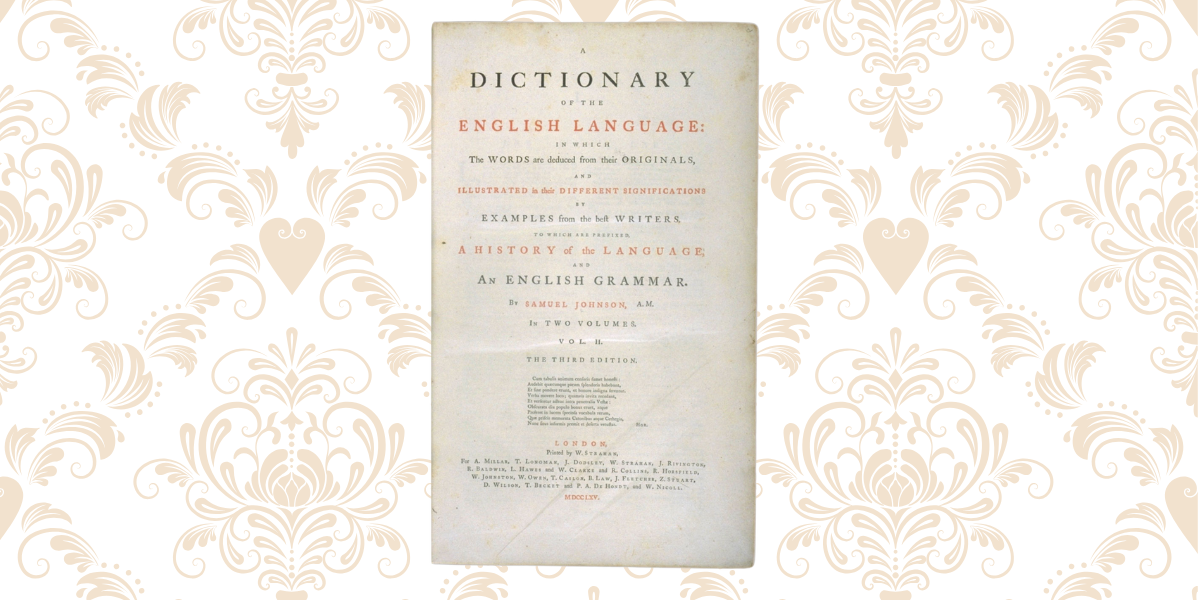
It’s Freewrite’s favorite time of year. When dictionaries around the world examine language use of the previous year and select a “Word of the Year.”

Of course, there are many different dictionaries in use in the English language, and they all have different ideas about what word was the most influential or saw the most growth in the previous year. They individually review new slang and culturally relevant vocabulary, examine spikes or dips in usage, and pour over internet trend data.

Let’s see what some of the biggest dictionaries decided for 2025. And read to the end for a chance to submit your own Word of the Year — and win a Freewrite gift card.

[SUBMIT YOUR WORD OF THE YEAR]


Merriam-Webster: "slop"

Merriam-Webster chose "slop" as its Word of the Year for 2025 to describe "all that stuff dumped on our screens, captured in just four letters."

The dictionary lists "absurd videos, off-kilter advertising images, cheesy propaganda, fake news that looks pretty real, junky AI-written books, 'workslop' reports that waste coworkers’ time … and lots of talking cats" as examples of slop.

The original sense of the word "slop" from the 1700s was “soft mud” and eventually evolved to mean "food waste" and "rubbish." 2025 linked the term to AI, and the rest is history.

Honorable mentions: conclave, gerrymander, touch grass, performative, tariff, 67.

Dictionary.com: "67"

The team at Dictionary.com likes to pick a word that serves as “a linguistic time capsule, reflecting social trends and global events that defined the year.”

For 2025, they decided that “word” was actually a number. Or two numbers, to be exact.

If you’re an old, like me, and don’t know many school-age children, you may not have heard “67” in use. (Note that this is not “sixty-seven,” but “six, seven.”)

Dictionary.com claims the origin of “67” is a song called “Doot Doot (6 7)” by Skrilla, quickly made infamous by viral TikTok videos, most notably featuring a child who will for the rest of his life be known as the “6-7 Kid.” But according to my nine-year-old cousin, the origins of something so mystical can’t ever truly be known.

(My third grade expert also demonstrated the accompanying signature hand gesture, where you place both hands palms up and alternately move up and down.)

And if you happen to find yourself in a fourth-grade classroom, watch your mouth, because there’s a good chance this term has been banned for the teacher’s sanity.

Annoyed yet? Don’t be. As Dictionary.com points out, 6-7 is a rather delightful example at how fast language can develop as a new generation joins the conversation.

Dictionary.com honorable mentions: agentic, aura farming, broligarchy, clanker, Gen Z stare, kiss cam, overtourism, tariff, tradwife.

Oxford Dictionary: "rage bait"

With input from more than 30,000 users and expert analysis, Oxford Dictionary chose "rage bait" for their word of the year.

Specifically, the dictionary pointed to 2025’s news cycle, online manipulation tactics, and growing awareness of where we spend our time and attention online.

While closely paralleling its etymological cousin "clickbait," rage bait more specifically denotes content that evokes anger, discord, or polarization.

Oxford's experts report that use of the term has tripled in the last 12 months.

Oxford Dictionary's honorable mentions:aura farming, biohack.

Cambridge Dictionary: "parasocial"

The Cambridge Dictionary examined a sustained trend of increased searches to choose "parasocial" as its Word of the Year.

Believe it or not, this term was coined by sociologists in 1956, combining “social” with the Greek-derived prefix para-, which in this case means “similar to or parallel to, but separate from.”

But interest in and use of the term exploded this year, finally moving from a mainly academic context to the mainstream.

Cambridge Dictionary's honorable mentions: slop, delulu, skibidi, tradwife

Freewrite: TBD

This year, the Freewrite Fam is picking our own Word of the Year.

Click below to submit what you think the Word of 2025 should be, and we'll pick one submission to receive a Freewrite gift card.

[SUBMIT HERE] 

--

Sources

décembre 18, 2025 6 lire la lecture

Que peuvent apprendre les lettres personnelles de Jane Austen aux écrivains ?

décembre 10, 2025 6 lire la lecture

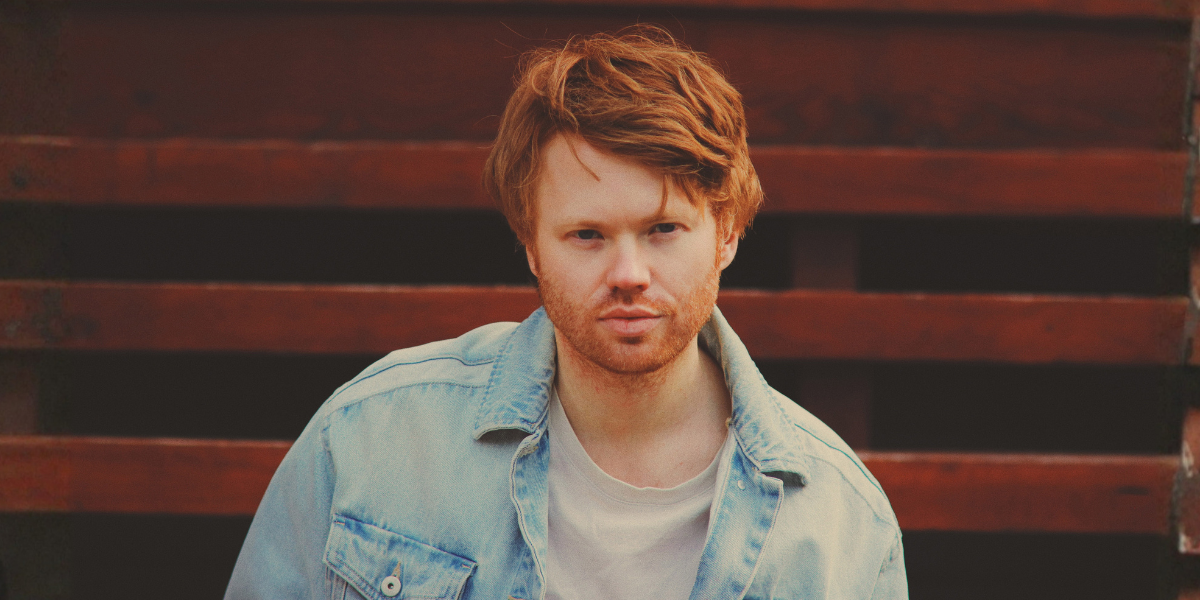
Singer-songwriter Abner James finds his creativity in the quiet freedom of analog tools. Learn how his creative process transcends different media.

Abner James went to school for film directing. But the success of the band he and his brother formed together, Eighty Ninety, knocked him onto a different trajectory.

The band has accrued more than 40 million streams since the release of their debut EP “Elizabeth," and their work was even co-signed by Taylor Swift when the singer added Eighty Ninety to her playlist "Songs Taylor Loves.”

Now, Abner is returning to long-form writing in addition to songwriting, and with a change in media comes an examination of the creative process. We sat down to chat about what's the same — and what's different. 

ANNIE COSBY: Tell us about your songwriting process.

ABNER JAMES: The way I tend to write my songs is hunched over a guitar and just seeing what comes. Sounds become words become shapes. It's a very physical process that is really about turning my brain off.

And one of the things that occurred to me when I was traveling, actually, was that I would love to be able to do that but from a writing perspective. What would happen if I sat down and approached writing in the same way that I approached music? In a more intuitive and free-form kind of way? What would that dig up?

AC: That's basically the ethos of Freewrite.

AJ: Yes. We had just put out a record, and I was thinking about how to get into writing for the next one. It occurred to me that regardless of how I started, I always finished on a screen. And I wondered: what's the acoustic guitar version of writing?

Where there's not blue light hitting me in the face. Even if I'm using my Notes app, it's the same thing. It really gets me into a different mindset.

 "I wondered: what's the acoustic guitar version of writing?"

I grew up playing piano. That was my first instrument. And I found an old typewriter at a thrift store, and I love it. It actually reminded me a lot of playing piano, the kind of physical, the feeling of it. And it was really fun, but pretty impractical, especially because I travel a fair amount.

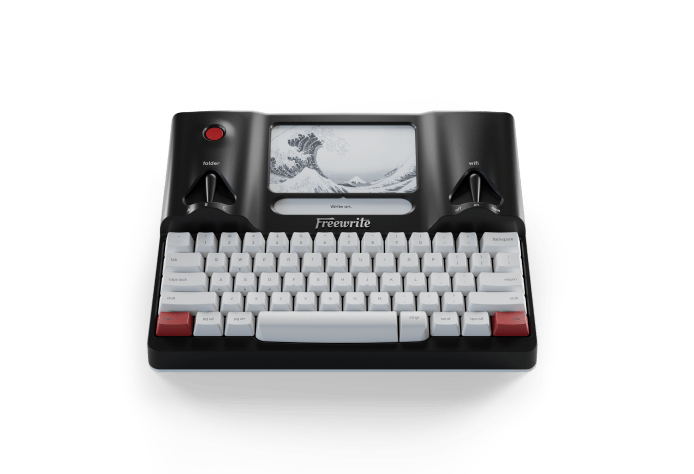
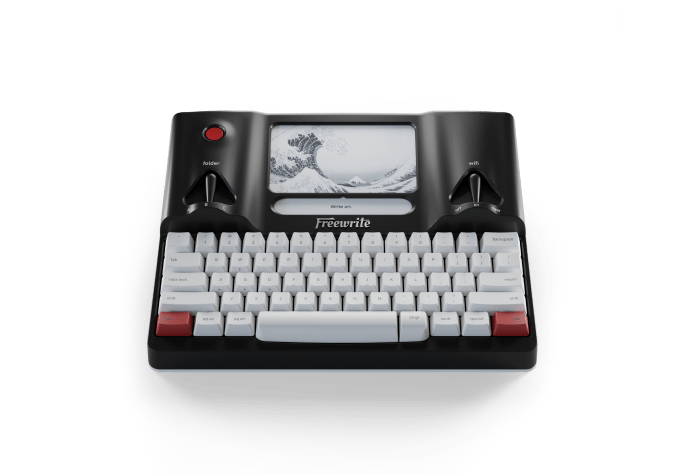
And so I wondered, is there such a thing as a digital typewriter? And I googled it, and I found Freewrite.

AC: What about Freewrite helps you write?

AJ:I think, pragmatically, just the E Ink screen is a huge deal, because it doesn't exhaust me in the same way. And the idea of having a tool specifically set aside for the process is appealing in an aesthetic way but also a mental-emotional way. When it comes out, it's kind of like ... It's like having an office you work out of. It's just for that.

"The way I tend to write my songs is hunched over a guitar and just seeing what comes. Sounds become words become shapes. It's a very physical process that is really about turning my brain off."

And all of the pragmatic limitations — like you're not getting texts on it, and you're not doing all that stuff on the internet — that's really helpful, too. But just having the mindset....

When I pick up a guitar, or I sit down at the piano, it very much puts me into that space. Having a tool just for words does the same thing. I find that to be really cool and inspiring.

"When I pick up a guitar, or I sit down at the piano, it very much puts me into that space. Having a tool just for words does the same thing."

AC: So mentally it gets you ready for writing.

AJ: Yeah, and also, when you write a Microsoft Word, it looks so finished that it's hard to keep going. If every time I strummed a chord, I was hearing it back, mixed and mastered and produced...?

It's hard to stay in that space when I'm seeing it fully written out and formatted in, like, Times New Roman, looking all seriously back at me.

AC: I get that. I have terrible instincts to edit stuff over and over again and never finish a story.

AJ:  Also, the way you just open it and it's ready to go. So you don't have the stages of the computer turning on, that kind of puts this pressure, this tension on.

It's working at the edges in all these different ways that on their own could feel a little bit like it's not really necessary. All these amorphous things where you could look at it and be like, well, I don't really need any of those. But they add up to a critical mass that actually is significant.

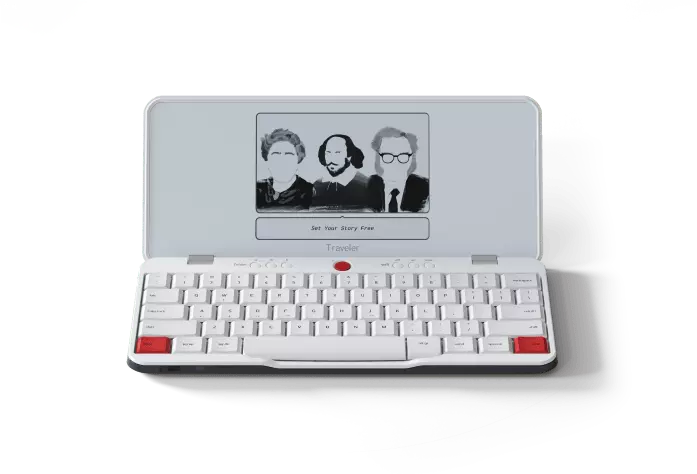
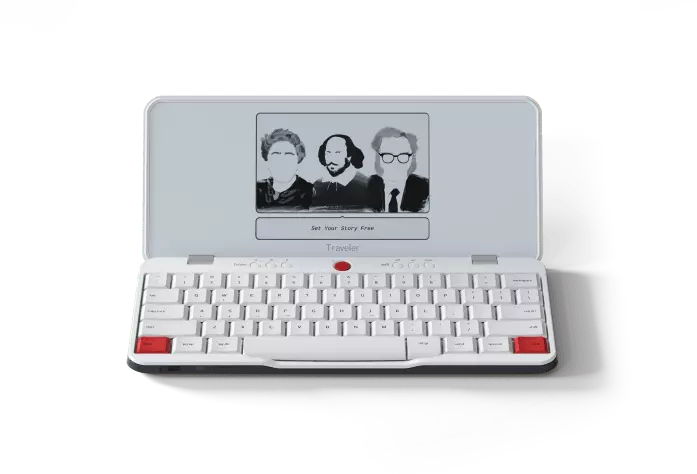
And sometimes, if I want to bring it on a plane, I've found it's replaced reading for me. Rather than pick up a book or bring a book on the plane, I bring Traveler and just kind of hang out in that space and see if anything comes up.

I've found that it's kind of like writing songs on a different instrument, you get different styles of music that you wouldn't have otherwise. I've found that writing from words towards music, I get different kinds of songs than I have in the past, which has been interesting.

In that way, like sitting at a piano, you just write differently than you do on a guitar, or even a bass, because of the things those instruments tend to encourage or that they can do.

It feels almost like a little synthesizer, a different kind of instrument that has unlocked a different kind of approach for me.

"I've found that it's kind of like writing songs on a different instrument, you get different styles of music that you wouldn't have otherwise... [Traveler] feels almost like a little synthesizer, a different kind of instrument that has unlocked a different kind of approach for me."

AC: As someone who doesn't know the first thing about writing music, that's fascinating. It's all magic to me.

AJ: Yeah.

AC: What else are you interested in writing?

AJ: I went to school for film directing. That was kind of what I thought I was going to do. And then my brother and I started the band and that kind of happened first and knocked me onto a different track for a little while after college.

Growing up, though, writing was my way into everything. In directing, I wanted to be in control of the thing that I wrote. And in music, it was the same — the songwriting really feels like it came from that same place. And then the idea of writing longer form, like fiction, almost feels just like the next step from song to EP to album to novel.

For whatever reason, that started feeling like a challenge that would be deeply related to the kinds of work that we do in the studio.

AC: Do you have any advice for aspiring songwriters?

AJ: This sounds like a cliche, but it's totally true: whatever success that I've had as a songwriter — judge that for yourself — but whatever success I have had, has been directly proportional to just writing the song that I wanted to hear.

What I mean by that is, even if you're being coldly, cynically, late-stage capitalist about it, it's by far the most success I've had. The good news is that you don't have to choose. And in fact, when you start making those little compromises, or even begin to inch in that direction, it just doesn't work. So you can forget about it.

Just make music you want to hear. And that will be the music that resonates with most people.

I think there's a temptation to have an imaginary focus group in your head of like 500 people. But the problem is all those people are fake. They're not real. None of those people are actually real people. You're a focus group of one, you're one real person. There are more real people in that focus group than in the imaginary one.

And I just don't think that we're that different, in the end. So that would be my advice.

AC: That seems like generally great creative advice. Because fiction writers talk about that too, right? Do you write to market or do you write the book you want to read. Same thing. And that imaginary focus group has been debilitating for me. I have to silence that focus group before I can write.

AJ: Absolutely.

"I think there's a temptation to have an imaginary focus group in your head of like 500 people. But the problem is all those people are fake... You're a focus group of one, you're one real person. There are more real people in that focus group than in the imaginary one."

--

Learn more about Abner James, his brother, and their band, Eighty Ninety, on Instagram.