overlaylink

Comment écrire comme Hemingway - 12 conseils d'écriture

mai 26, 2021 | 3 lire la lecture

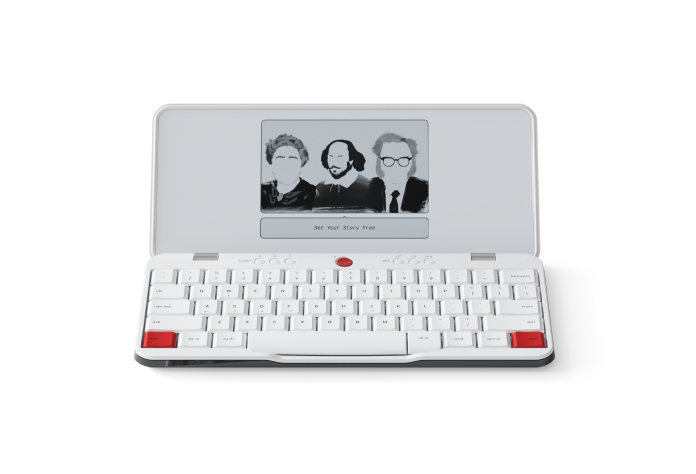
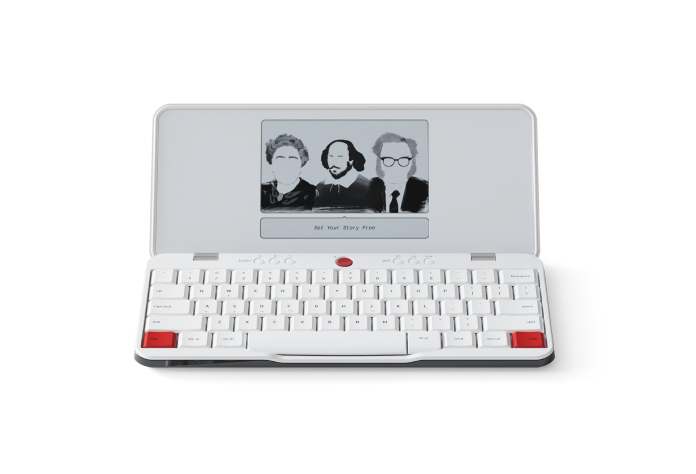
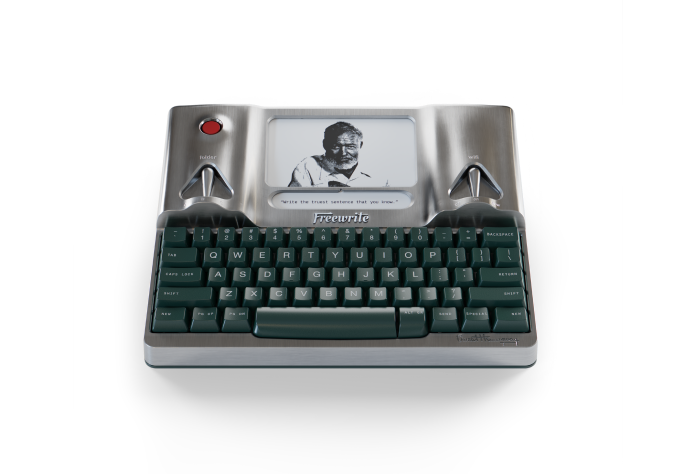
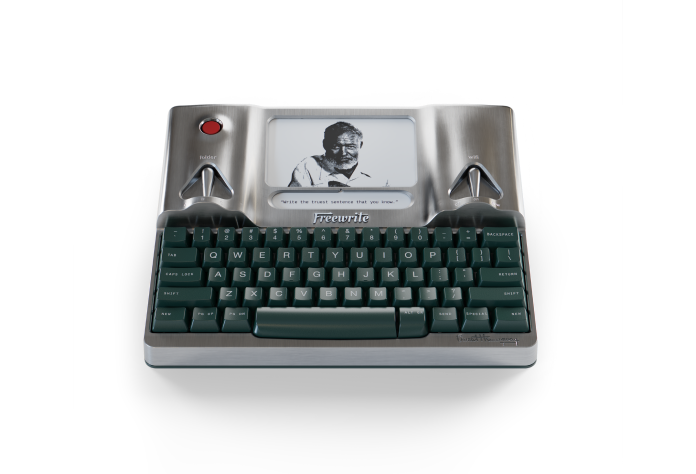
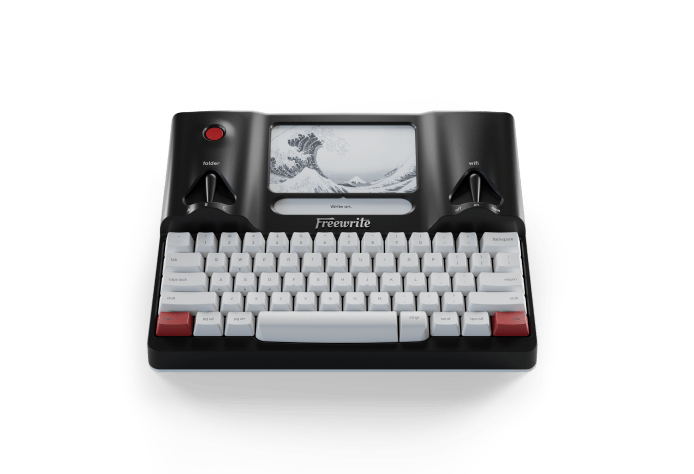
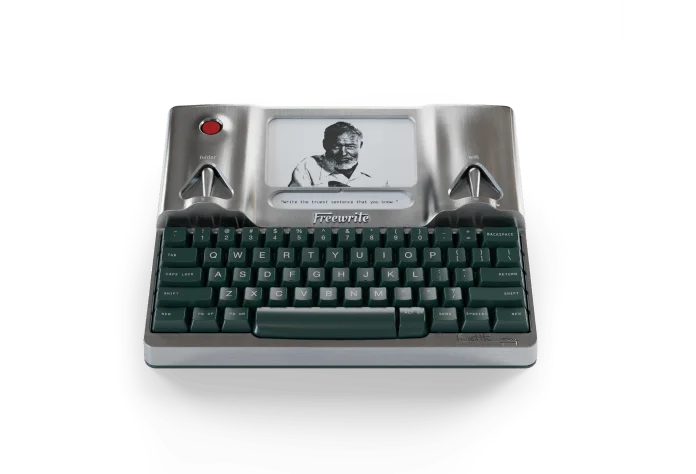
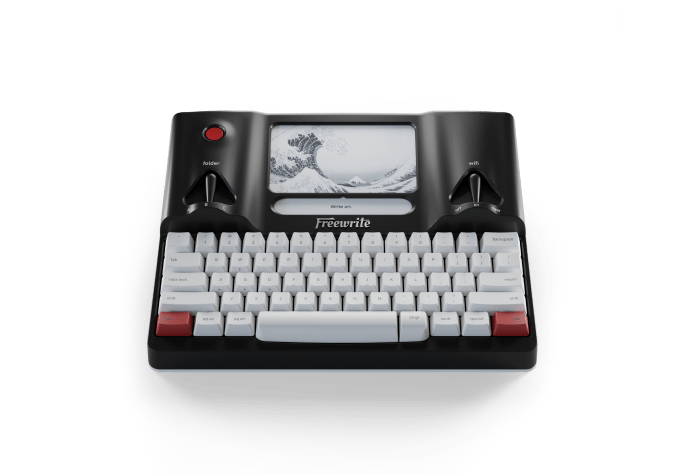
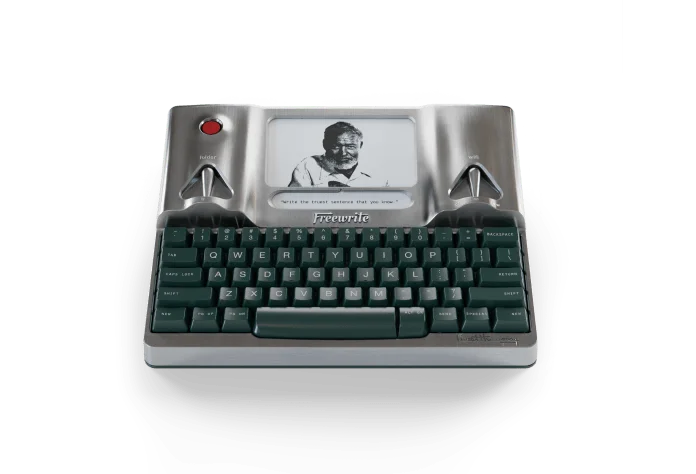
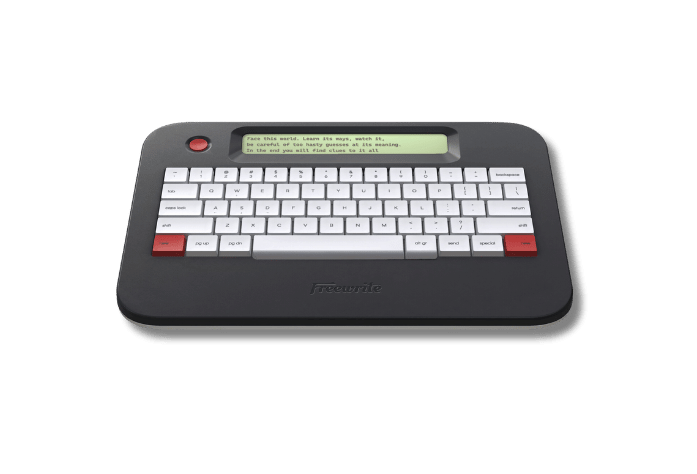
À l'approche du lancement de « Hemingwrite », notre édition spéciale Freewrite , nous partageons les conseils d'écriture de l'auteur qui a marqué la littérature américaine. L'écriture d'Ernest Hemingway est réputée pour sa concision, sa puissance et sa vérité. Voyons comment il parvient à ce style emblématique.

Comment écrire de manière concise

Tout comme les athlètes professionnels donnent l’impression que leur sport est facile, la prose simple d’Hemingway cache une profondeur et une technique démenties.

Très tôt, Hemingway travailla pour le Kansas City Star. Le guide stylistique du Star l'incitait à rechercher la précision d'écriture. Il choisissait chaque mot avec soin. Il ne se vantait pas de ses prouesses stylistiques pour elles-mêmes. Il s'appliquait à affiner son écriture pour aller droit au but.

La liste ci-dessous décrit son approche principale :

  1. Utilisez un vocabulaire courant et une grammaire de base . Les livres d'Hemingway ont un excellent score de lisibilité ; même les élèves de CM1 peuvent lire ses œuvres.
  2. Utilisez les adjectifs et les adverbes avec parcimonie . On pourrait utiliser « très » pour souligner un sentiment, par exemple, mais souvent, ce sentiment a plus d'impact à lui seul.
  3. Utilisez des verbes actifs.
  4. Utilisez des phrases courtes.*
  5. Laissez de côté les balises de dialogue.
  6. Soyez positif, pas négatif . Écrivez ce qui est plutôt que ce qui n'est pas, c'est-à-dire « triste » plutôt que « malheureux ».

*Avertissements : Hemingway n’écrivait pas seulement des phrases courtes. Ses phrases sont, en moyenne, plus courtes ; il variait la longueur de leurs phrases.

Il a également utilisé une technique appelée « polysyndéton », dans laquelle il enchaînait de nombreuses phrases simples avec des « et » pour accélérer l’action.

Comment écrire avec profondeur

On associe souvent les mots « émotionnel » ou « passionné » à « hors de contrôle ». Il semble donc paradoxal que la prose concise d'Hemingway puisse susciter une telle émotion.

La théorie de l'iceberg d'Hemingway repose sur des descriptions minimales qui permettent au lecteur de compléter les espaces vides. (Le terme « iceberg » désigne la petite portion d'un iceberg qui est visible à la surface. La partie visible doit suggérer un monde profond et complexe situé juste au-delà de la page.)

  1. Actions vs. émotions . Hemingway n'explique pas ce que ressentent les personnages ; il montre simplement comment ils agissent et réagissent.
  2. Laissez de côté l'histoire . En se concentrant sur le présent et en laissant le passé des personnages se dévoiler à travers des détails pertinents au fil du récit, Hemingway évite de sortir le lecteur de l'histoire actuelle avec un flashback.
  3. Supprimez tout ce qui n’est pas essentiel à l’émotion que votre histoire essaie de créer .

Comment rendre votre écriture réelle/authentique

Hemingway a dit : « Il suffit d'écrire une phrase vraie. Écrivez la phrase la plus vraie que vous connaissez. » Si son texte devenait trop élaboré ou ostentatoire, il le laissait tomber et commençait par une phrase vraie et déclarative.

  1. Écrivez ce que vous connaissez, avec une touche personnelle . Hemingway s'est servi de sa vie (et surtout des personnages qui y figurent) comme d'un tremplin. Il n'a pas tout écrit exactement tel quel, mais le fait de fonder ses récits sur des expériences et des sentiments réels a donné à son œuvre toute son authenticité.
  2. Décomposez les objets, les décors et les scènes en leurs éléments de base . Les détails pertinents donnent vie aux univers.
  3. Faites en sorte que vos phrases soient fluides . Hemingway écrivait une phrase, puis commençait la suivante en partant du point où la précédente s'était arrêtée.

Le style d'écriture d'Hemingway n'est simple qu'en apparence. Maintenant que vous en savez plus, essayez d'appliquer ces conseils dans votre prochain texte. Bonne écriture !

Inscrivez-vous sur la liste d'attente Hemingwrite ici. Hemingwrite est l'outil d'écriture sans distraction par lequel tout a commencé. Les quantités sont extrêmement limitées.
janvier 09, 2026 2 lire la lecture

A new year means a whole new crop of work is entering the public domain. And that means endless opportunities for retellings, spoofs, adaptations, and fan fiction.

décembre 30, 2025 3 lire la lecture

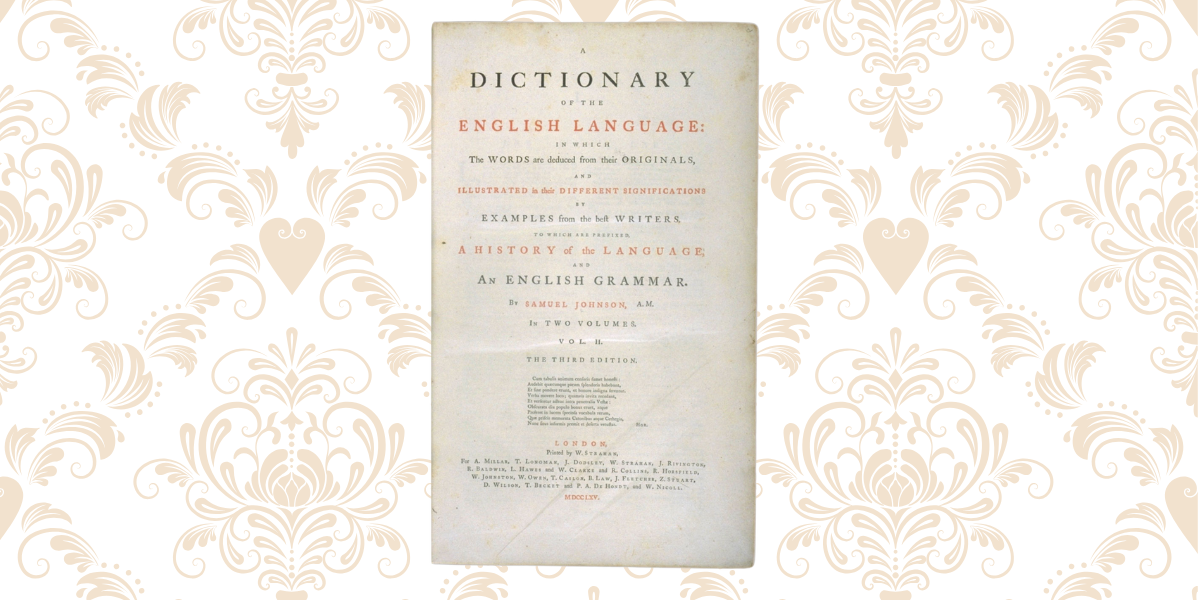
It’s Freewrite’s favorite time of year. When dictionaries around the world examine language use of the previous year and select a “Word of the Year.”

Of course, there are many different dictionaries in use in the English language, and they all have different ideas about what word was the most influential or saw the most growth in the previous year. They individually review new slang and culturally relevant vocabulary, examine spikes or dips in usage, and pour over internet trend data.

Let’s see what some of the biggest dictionaries decided for 2025. And read to the end for a chance to submit your own Word of the Year — and win a Freewrite gift card.

[SUBMIT YOUR WORD OF THE YEAR]


Merriam-Webster: "slop"

Merriam-Webster chose "slop" as its Word of the Year for 2025 to describe "all that stuff dumped on our screens, captured in just four letters."

The dictionary lists "absurd videos, off-kilter advertising images, cheesy propaganda, fake news that looks pretty real, junky AI-written books, 'workslop' reports that waste coworkers’ time … and lots of talking cats" as examples of slop.

The original sense of the word "slop" from the 1700s was “soft mud” and eventually evolved to mean "food waste" and "rubbish." 2025 linked the term to AI, and the rest is history.

Honorable mentions: conclave, gerrymander, touch grass, performative, tariff, 67.

Dictionary.com: "67"

The team at Dictionary.com likes to pick a word that serves as “a linguistic time capsule, reflecting social trends and global events that defined the year.”

For 2025, they decided that “word” was actually a number. Or two numbers, to be exact.

If you’re an old, like me, and don’t know many school-age children, you may not have heard “67” in use. (Note that this is not “sixty-seven,” but “six, seven.”)

Dictionary.com claims the origin of “67” is a song called “Doot Doot (6 7)” by Skrilla, quickly made infamous by viral TikTok videos, most notably featuring a child who will for the rest of his life be known as the “6-7 Kid.” But according to my nine-year-old cousin, the origins of something so mystical can’t ever truly be known.

(My third grade expert also demonstrated the accompanying signature hand gesture, where you place both hands palms up and alternately move up and down.)

And if you happen to find yourself in a fourth-grade classroom, watch your mouth, because there’s a good chance this term has been banned for the teacher’s sanity.

Annoyed yet? Don’t be. As Dictionary.com points out, 6-7 is a rather delightful example at how fast language can develop as a new generation joins the conversation.

Dictionary.com honorable mentions: agentic, aura farming, broligarchy, clanker, Gen Z stare, kiss cam, overtourism, tariff, tradwife.

Oxford Dictionary: "rage bait"

With input from more than 30,000 users and expert analysis, Oxford Dictionary chose "rage bait" for their word of the year.

Specifically, the dictionary pointed to 2025’s news cycle, online manipulation tactics, and growing awareness of where we spend our time and attention online.

While closely paralleling its etymological cousin "clickbait," rage bait more specifically denotes content that evokes anger, discord, or polarization.

Oxford's experts report that use of the term has tripled in the last 12 months.

Oxford Dictionary's honorable mentions:aura farming, biohack.

Cambridge Dictionary: "parasocial"

The Cambridge Dictionary examined a sustained trend of increased searches to choose "parasocial" as its Word of the Year.

Believe it or not, this term was coined by sociologists in 1956, combining “social” with the Greek-derived prefix para-, which in this case means “similar to or parallel to, but separate from.”

But interest in and use of the term exploded this year, finally moving from a mainly academic context to the mainstream.

Cambridge Dictionary's honorable mentions: slop, delulu, skibidi, tradwife

Freewrite: TBD

This year, the Freewrite Fam is picking our own Word of the Year.

Click below to submit what you think the Word of 2025 should be, and we'll pick one submission to receive a Freewrite gift card.

[SUBMIT HERE] 

--

Sources

décembre 18, 2025 6 lire la lecture

Que peuvent apprendre les lettres personnelles de Jane Austen aux écrivains ?