What's a romance author to do when a global pandemic hits?
For Carolina Flórez-Cerchiaro, the answer was to start writing horror.

Carolina was writing romance when she first signed with her literary agent six years ago. But, Carolina explains, when the pandemic hit, she pivoted to horror.
"There was something about being isolated at home, living through the literal nightmare that COVID-19 was, that made me want to dive into a haunted house book," she explains. And it's a good thing she did.
That horror novel, Bochica, sold to Simon & Schuster at auction. (Trust us, it's a big deal.)
In fact, switching genres changed her life in more ways than one. "Writing Bochica made me want to move to an old manor in the woods," Carolina says, "so I now live in a house that I’m pretty sure is haunted."
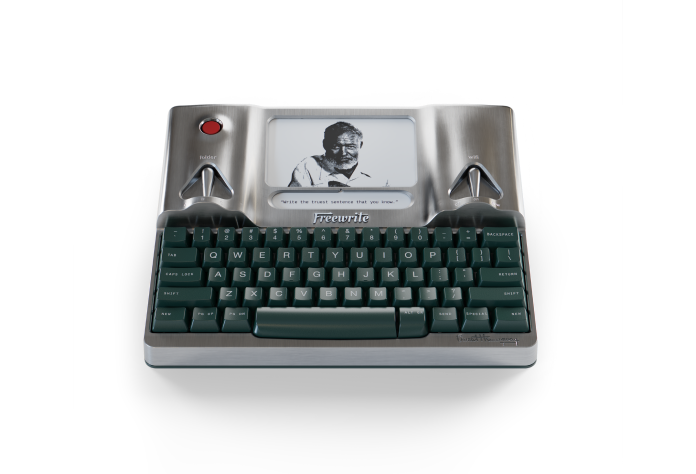
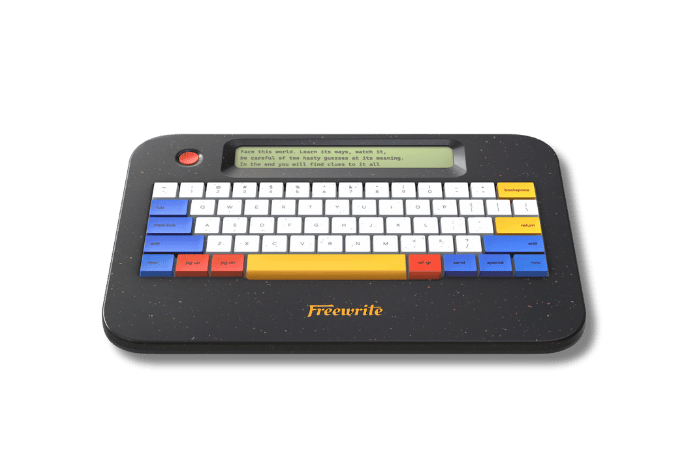
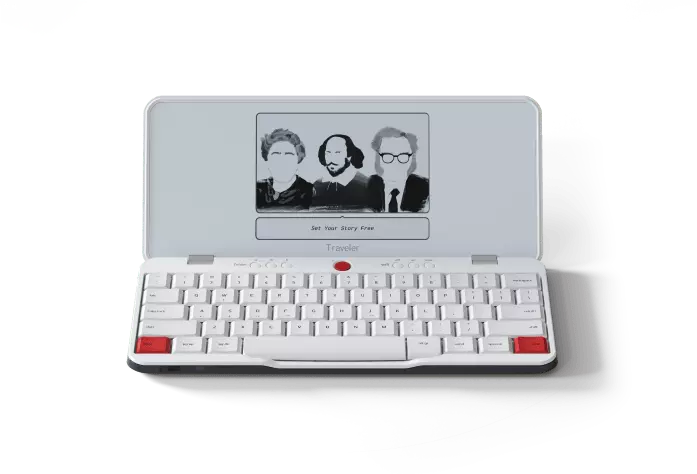
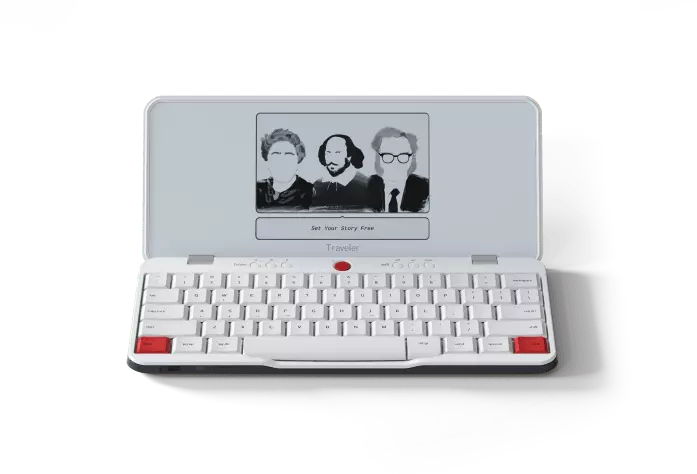
Read on to learn how this Freewriter uses her four-year-old Freewrite Traveler to draft.

ANNIE COSBY: What does your writing process look like?
CAROLINA FLÓREZ-CERCHIARO: My writing process varies depending on the project, but generally, I start with some brainstorming before drafting. I’m not a heavy outliner, but I do make a rough roadmap — usually marking where the character starts, the midpoint, and a general idea of the ending.
It’s often just a list of bullet points to give me some structure. I don’t always know how I’ll get from point A to point B, and the outline changes as I go. I usually re-outline after drafting to make better sense of the story. I don’t treat the outline as strict — I let myself get lost in the story once I’m in it.
It’s really important for me to get the words on the page, even if they’re messy. You can’t edit a blank page, and revising is actually my favorite part of the process. So I focus on finishing that first draft so I can dig into the part I enjoy most.
For projects like Bochica where the historical backdrop is essential, I research before drafting, and continue to do so while writing and revising.
"I don’t treat the outline as strict — I let myself get lost in the story once I’m in it."
AC: How long did it take you to write Bochica?
CFC: The first draft took me about three months to write, and I revised it for another six to eight months with my agent before we sold it to my editor.
AC: That's really fast! How did Freewrite factor into your writing process?
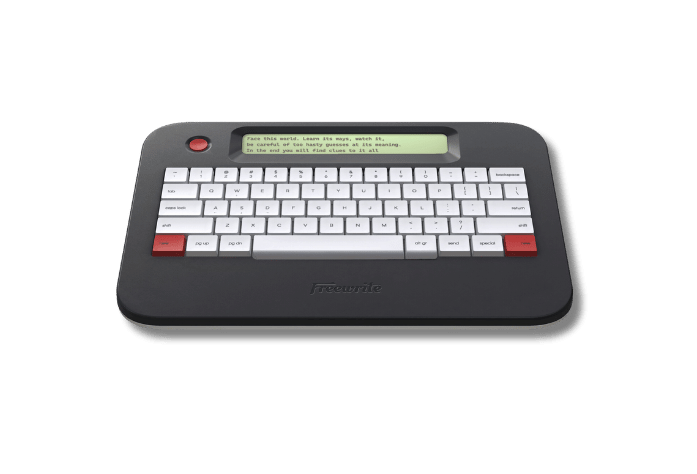
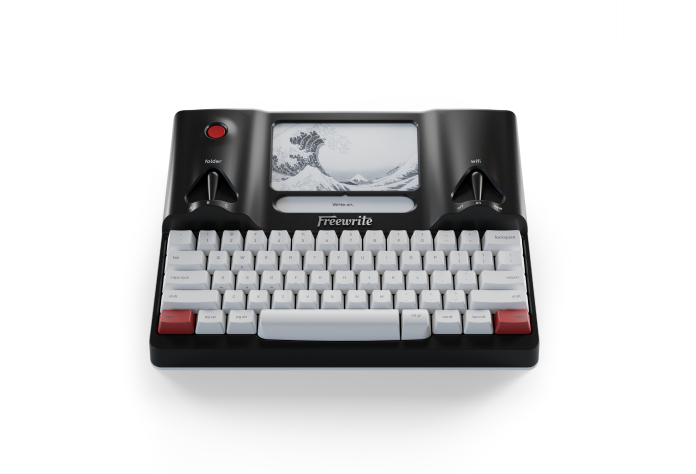
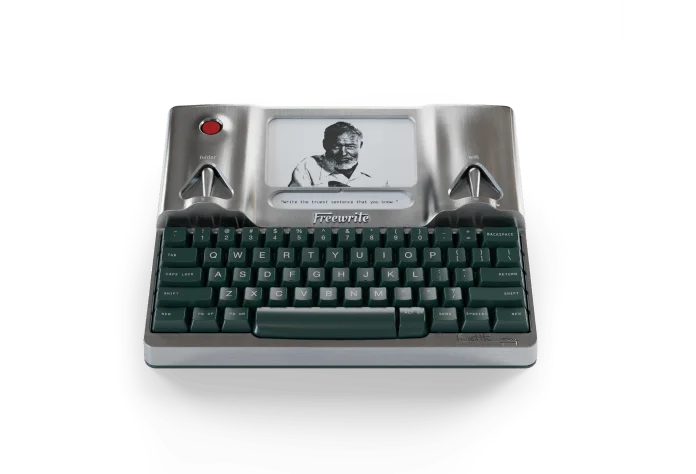
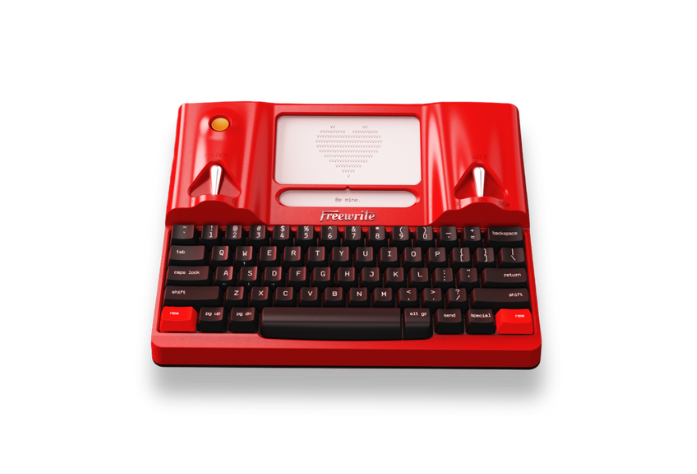
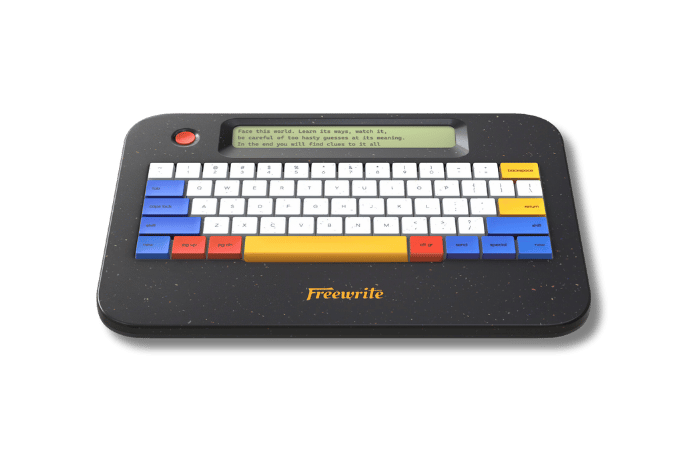
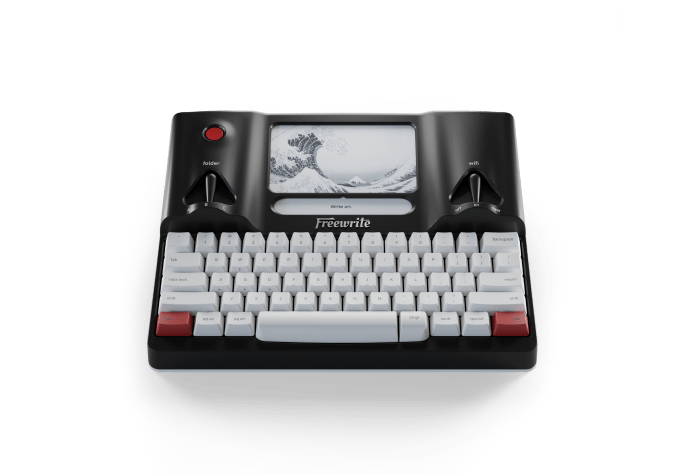
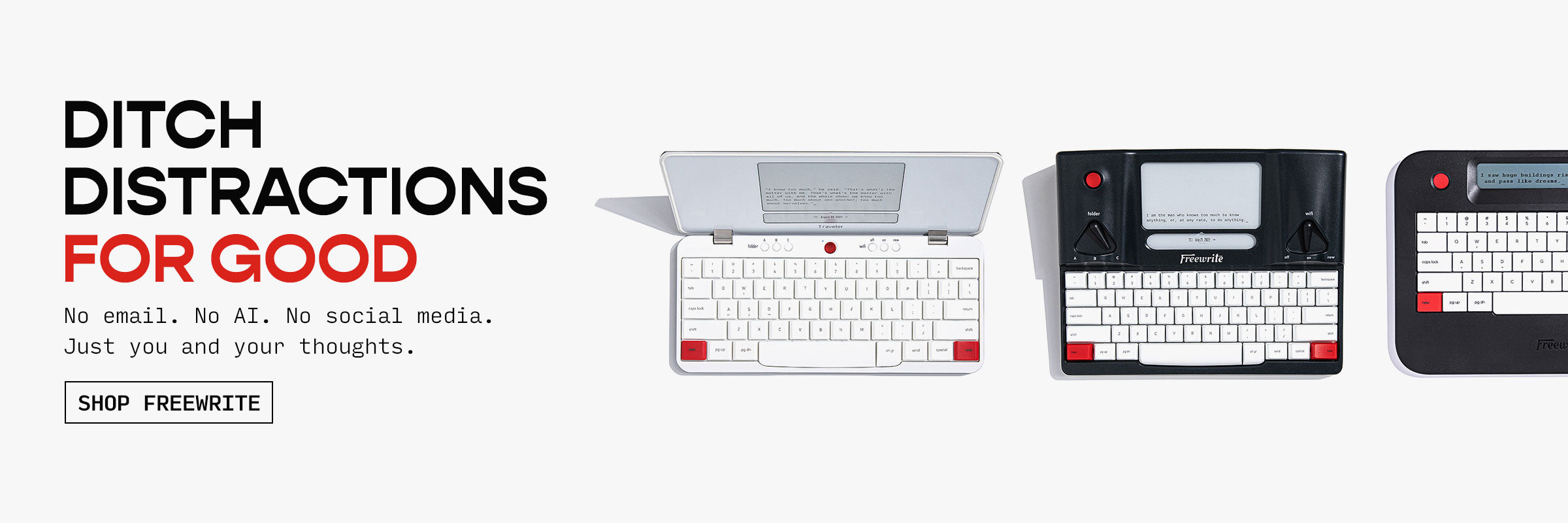
CFC: My Freewrite Traveler is an essential part of my writing process, for every project I work on. It helps me get the juices flowing when I’m stuck, but it also helps me get those words on the page faster. I call it my little magical device!
I not only use it when I draft, but also when I’m revising, and I need to rewrite or add new passages, chapters, or scenes. I use it ALL the time.
"I call [Traveler] my little magical device!"

AC: Why do you prefer to draft on a Freewrite?
CFC: There’s a literal freedom that I get from using it as I’m drafting, similar to when I write by hand, but way more convenient. It’s quick, it keeps me off the internet, and I can easily upload it to my computer!
AC: Let's dig into your publishing journey. How did Bochica get published?
CFC: Bochica isn’t the first book I ever wrote, and it’s also not the book that got me my agent. I was actually writing romance when I signed with my literary agent almost six years ago, and when the pandemic hit, I decided to pivot into writing horror which had always been my favorite genre to read.
When the book was ready for editors, my agent sent it out, and I got an initial offer within days, then we got more offers, and the book ended up selling at auction to Simon and Schuster.
"Writing Bochica made me want to move to an old manor in the woods, so I now live in a house that I’m pretty sure is haunted."
AC: How has the publishing process been so far?
CFC: It’s been quite an experience; you go from hitting the lowest point to feeling on cloud nine the next second.
To sum it up in one word: WILD.
I’m lucky to have an amazing team behind me, both with my literary agent, and with my publishing team at Atria/Primero Sueño Press, to help me navigate this road, to get through the good, and the bad.
"[Publishing] has been quite an experience; you go from hitting the lowest point to feeling on cloud nine the next second."
AC: And before we sign off, what is Bochica about?
CFC: After her father is accused of murder, a young woman returns to her haunted childhood home — turned luxury hotel — and is forced to face the sinister shadows of her past, and unearth the truth of her mother’s mysterious death.
Think Mexican Gothic meets The Shining.
AC: Wow. I'm in!
If Bochica sounds like a wild ride to you, too, check it out here.