overlaylink

Comment créer des créatures fantastiques qui semblent réelles

avril 29, 2024 | 6 lire la lecture
Dans le paysage passionnant de la fiction fantastique moderne, le rôle des créatures fantastiques constitue la pierre angulaire de l’imagination et de la narration.

Des majestueux dragons du Trône de Fer de George R.R. Martin aux décennies d'adoration des hobbits de J.R.R. Tolkien , ces créatures sont bien plus que de simples ornements pour les mondes qu'elles habitent. Elles constituent des vecteurs essentiels pour explorer des thèmes complexes, refléter les valeurs sociétales et stimuler l'imagination des lecteurs.

L'équipe de Freewrite est pleine de lecteurs (et d'écrivains !) de fantasy, nous avons donc voulu découvrir l'astuce pour créer des créatures fantastiques dynamiques qui ont un impact à la fois sur les récits qu'elles habitent et sur le public qu'elles enchantent.

Pour approfondir le sujet, nous avons parlé avec EK Wiggins, un auteur de fantasy, créateur de webtoon et Freewriter écrivant sur les dragons dans le sud ensoleillé de la Californie...

Pourquoi pensez-vous que les gens sont attirés par la fantasy et, en particulier, par les créatures fantastiques ?

Je pense que c'est simple : les gens veulent échapper à la réalité et se plonger dans des univers et des histoires qui laissent libre cours à leur imagination. L'importance de la fantasy (qu'elle soit écrite, filmée ou dessinée) dans la culture actuelle signifie que chacun peut y trouver son compte. Chacun peut trouver quelque chose qui le transporte dans des mondes merveilleux et lui permet de détourner le regard – et l'esprit – de la vie l'espace d'un instant.

Il en va de même pour les créatures fantastiques : les règles sont illimitées, de nouveaux monstres sont créés tout le temps et les anciens monstres familiers restent classiques.

Les gens adorent croire aux créatures fantastiques, car elles sortent de l'ordinaire : elles sont uniques et inoubliables. Et la nouvelle fantasy maintient le genre frais et florissant.

C'est ce que je ressens. Pendant des années, je ne pouvais écrire que de la non-fiction pour l'école. Pourquoi écrire de la non-fiction quand on vit dans la réalité ?

Quelle est la créature fantastique la plus influente, selon vous ?

Les dragons , sans aucun doute.

Ils sont si présents dans la culture fantastique des décennies passées, et pourtant, ils ne sont jamais ennuyeux, car ils sont constamment recréés de manière originale. Avec des productions populaires comme La Maison du Dragon et Le Seigneur des Anneaux : Les Anneaux de Pouvoir , par exemple, ces reptiles ne sont pas près de disparaître (voire jamais !).

Je pense que je suis principalement attiré par eux en raison de la façon dont vous, en tant qu'artiste ou écrivain, pouvez les réinventer tout en restant familiers.

Et j'adore le nombre de légendes du monde réel qui décrivent et illustrent des rencontres avec ces bêtes ! Il existe même des passages bibliques qui décrivent des dragons ou des créatures semblables. Tout cela confère aux dragons une histoire et un réalisme que d'autres créatures ne peuvent pas vraiment revendiquer.


Comment le dragon a-t-il été représenté à travers l’histoire ?

Les dragons étaient courants dans les contes et légendes orales de la Renaissance. En Europe (et en Occident), ils étaient considérés comme des meurtriers impitoyables et des gardiens féroces de leurs biens, exerçant un contrôle exubérant sur leurs innocentes proies et punissant sévèrement les rebelles !

Beaucoup de ces récits parlent de puissants guerriers affrontant ces monstres brutaux (par exemple les manuscrits de Beowulf).

À l'inverse, dans certaines cultures asiatiques, dont la Chine, les dragons étaient considérés comme des signes de chance et de bénédiction. Ils possédaient souvent des pouvoirs bénéfiques pour l'humanité et communiquaient parfois avec les humains. Ils étaient bien plus bienveillants et bienveillants que leurs homologues occidentaux !

Les manuscrits de Beowulf et la Bible décrivent et parlent directement des dragons. L'adversaire écailleux de Beowulf et Satan (représenté dans l'Apocalypse comme un dragon rouge ardent à sept têtes et dix cornes !) sont tous deux des exemples historiques de dragons transcrits. Il en existe bien d'autres, ainsi que des écrits sur les vers et autres créatures semblables aux dragons.


Certaines créatures fantastiques ont des racines culturelles. Comment les intégrer tout en créant quelque chose de totalement nouveau ?

En général, si je crée un personnage original ayant un contexte historique ou culturel, je me demande immédiatement si quelque chose chez lui contredit ses racines. Si c'est le cas, je me demande si j'ai fourni ou créé une histoire solide pour ce personnage, capable de « surpasser » cette histoire ou suffisamment forte pour constituer une alternative valable et sensée.

Cela dépend aussi de la culture et de la façon dont je souhaite la mettre en valeur. À mon avis, c'est une sorte de « zone grise » qui pourrait être débattue sans fin…

Je ne pense pas que ce soit le devoir de l'auteur de toujours rendre hommage aux racines d'un personnage, à moins que cela ne soit essentiel à la compréhension de l'histoire, que cela soit nécessaire à l'intrigue ou si l'auteur souhaite honorer la culture dont il est issu.

Il est arrivé à de nombreuses reprises que des créatures soient utilisées en littérature sans aucune mention de leurs origines, simplement par manque de temps ou par manque de pertinence pour l'histoire. Cela dépend vraiment du sujet de l'auteur et de la manière dont le personnage est utilisé.

Comment créer des créatures crédibles alors qu’elles sont, par définition, complètement irréelles ?

Je commence par décider de la créature, de la manière la plus simple possible. Sera-ce un wyrm ? Un elfe ? Un dragon ? Déterminez vos fondations et construisez à partir de là.

Ensuite, visualisez l'apparence de la créature, la forme de son corps, ses caractéristiques uniques et l'apparence de son visage si vous la regardiez droit dans les yeux. Une fois la visualisation terminée, je dessine généralement un croquis pour consolider le design de la créature.

Mais ne vous contentez pas d'écrire ou de dessiner vos créatures fantastiques (ou tout autre type de personnage !) : imaginez-les.

N'importe qui peut imaginer une créature fantastique et en rédiger une description (comme un troll de pont en surpoids ou un chat tigré parlant). En tant qu'écrivain, notre travail ne consiste pas simplement à rédiger une étude de personnage pour le lecteur. Notre rôle est de rendre la créature réelle.

Pour ce faire, il faut comprendre comment la créature ressent, pense et interagit. Elle doit avoir une personnalité. Je commence par imaginer son comportement, son attitude et ses traits de caractère.

Demandez-vous comment ils réagiraient face à vous, à vos émotions et à votre personnalité, et comment leur personnalité se complèterait ou se dédoublerait avec la vôtre. Imaginez passer une journée à les connaître ! Ou faites semblant de les interviewer.

En d’autres termes : il ne s’agit pas toujours de savoir ce qu’est la créature et à quoi elle ressemble, mais de savoir qui elle est !

Je suppose que le véritable truc pour créer des créatures impressionnantes et apparemment réelles est assez simple : faire comme si elles étaient réelles.


Sur quoi travaillez-vous en ce moment ?

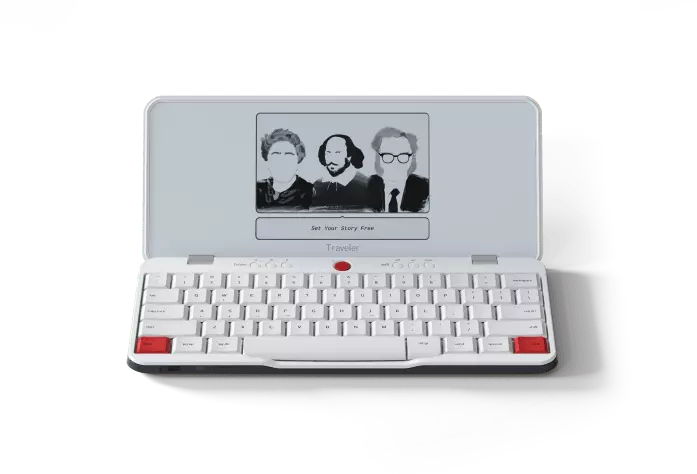
Je travaille actuellement sur plusieurs projets, dont mon premier roman de science-fiction dystopique pour jeunes adultes , Les Chroniques de l'Exode . C'est le premier roman que j'ai entièrement écrit sur mon Voyageur !

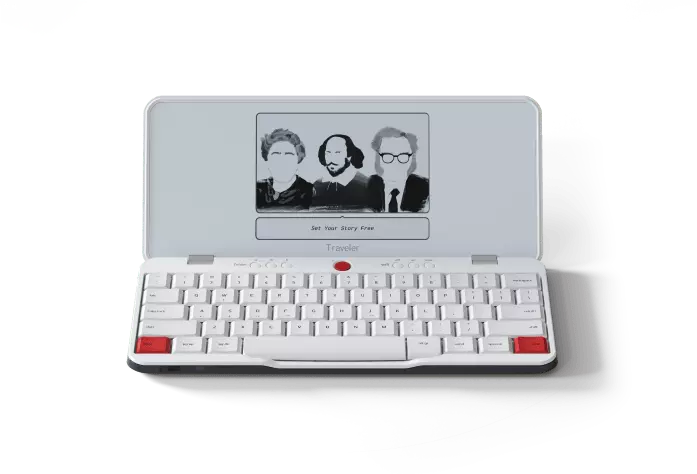
Traveler est mon outil de prédilection. De la voiture au plateau pliable de l'avion, Traveler m'accompagne partout ! J'ai écrit un manuscrit et demi (près de 140 000 mots) avec !

Mon deuxième projet est d'écrire et de superviser la production de mon webtoon, « Neko-Neko est une poupée-chat ! » Écrire un webtoon est très intéressant car il faut visualiser tous les personnages, les émotions, les scènes et les dialogues de chaque case de manière concise (presque comme le réalisateur d'un film).

Mon projet final est d'écrire le deuxième livre de ma série fantastique pour jeunes adultes Dragod Origins , qui J'ai publié en décembre 2023. La construction du monde du livre a pris plus de cinq ans à elle seule, et l'écriture du livre en a pris trois.

L'écriture est mon passe-temps indéfectible, et j'aspire à être un romancier hybride (à la fois traditionnel et en auto-publiant mes livres) et un écrivain de webtoon/manga en série.

--


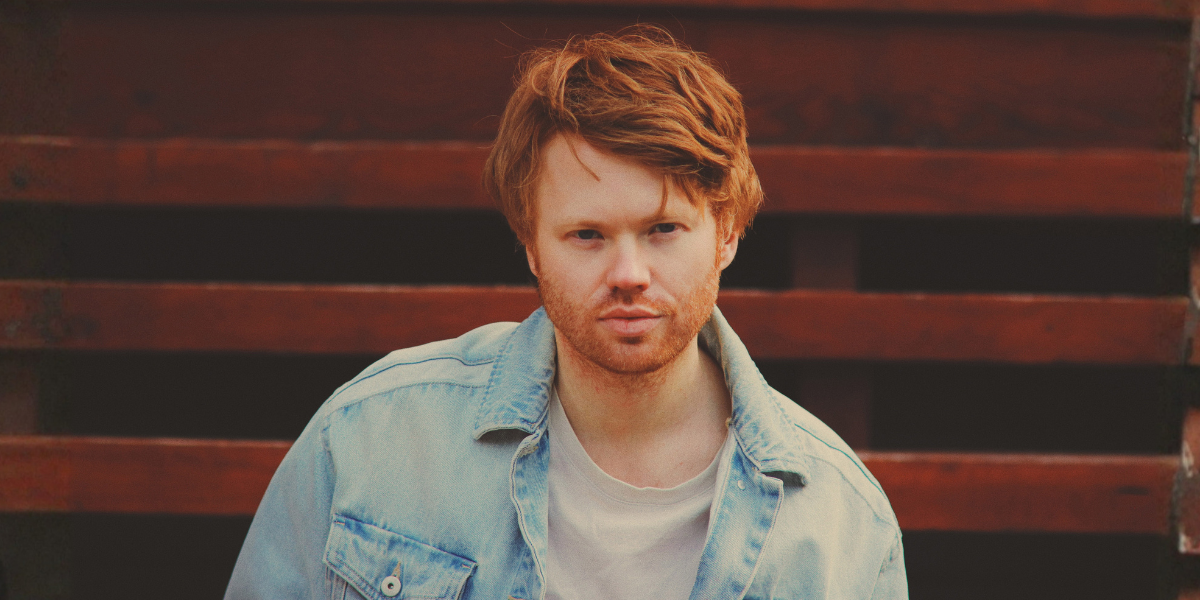
EK Wiggins est un auteur de fantasy et de webtoons qui vit et travaille sous le soleil de San Juan Capistrano, en Californie. Son amour pour les créatures fantastiques, et plus particulièrement pour les dragons, l'a inspiré à créer l'histoire et les dessins originaux d'une série intitulée Dragon Quest , qui a finalement donné naissance au premier tome « Dragod Origins » , paru en 2023.

Lorsqu'il n'écrit pas, il aime faire du vélo, écouter de la musique et jouer du piano, de la guitare acoustique, de la guitare électrique, du banjo, du ukulélé, du mélodica et de l'accordéon concertina.

Pour en savoir plus sur l'univers fantastique d'EK, visitez son site web ou suivez sa maison d'édition indépendante, Shadow Beast Publishing, sur Instagram ou Facebook . Vous pouvez également vous abonner à sa newsletter mensuelle ici .
novembre 29, 2025 4 lire la lecture

The Great Freewrite Séance: A Ghost'ly Charity Auction Full Terms & Conditions

These Terms and Conditions (“Terms”) govern participation in The Great Freewrite Séance: A Ghost'ly Charity Auction (“Auction”), organized by Freewrite (“Organizer,” “we,” “us,” or “our”). By registering for, bidding in, or otherwise participating in the Auction, you (“Participant,” “Bidder,” or “Winner”) agree to be bound by these Terms.

1. Auction Overview

1.1. The Auction offers for sale a limited number of Freewrite Traveler Ghost Edition units (“Items” or “Ghost Traveler units”), each personally signed and drawn on by a featured author.

1.2. All proceeds, net of explicitly disclosed administrative costs, will be donated to the charity or charitable initiative (“Charity”) identified on each auction item’s page, as chosen by the respective author.

2. Eligibility

2.1. Participants must be at least 18 years old or the age of majority in their jurisdiction, whichever is higher.

2.2. Employees of Freewrite, the participating authors, or any affiliates directly involved in the Auction are not eligible to bid.

2.3. By participating, you represent that you are legally permitted to take part in online auctions and to pay for any bids you win.

3. Auction Registration

3.1. Participants must create an account on the auction platform or otherwise register using accurate, current, and complete information.

3.2. Freewrite reserves the right to verify identity and to disqualify any Participant who provides false or misleading information.

4. Bidding Rules

4.1. All bids are binding, final, and non-retractable.

4.2. Bidders are responsible for monitoring their bids; Freewrite is not liable for missed notifications or technical issues on the auction platform or the Participant’s device.

4.3. Freewrite reserves the right to:

  • set minimum bids or bid increments;
  • reject bids deemed in bad faith or intended to disrupt the Auction;
  • extend, pause, or cancel the Auction in case of technical difficulties, fraud, or events beyond reasonable control.

5. Winning Bids and Payment

5.1. The highest valid bid at the close of the Auction is the Winning Bid, and the corresponding Participant becomes the Winner.

5.2. Winners will receive payment instructions and must complete payment within 48 hours of the auction’s close unless otherwise stated.

5.3. Failure to complete payment on time may result in forfeiture, and Freewrite may offer the Item to the next highest bidder.

5.4. Accepted payment methods will be listed on the Auction platform. All payments must be made in the currency specified.

6. Item Description and Condition

6.1. Each Ghost Traveler unit is authentic, and the signatures, doodles, and messages are original works created by the participating author. These are authors, not artists. By bidding on the Item, you acknowledge that you are receiving a one-of-a-kind unit marked with unique art and messages and you agree to these terms and conditions.

6.2. Because Items are customized and signed by hand, variations, imperfections, or unique marks are to be expected. These are considered part of the Item’s character and not defects.

6.3. Items are provided “as-is” and “as-available.” Freewrite makes no warranties of merchantability or fitness for a particular purpose.

7. Shipping & Delivery

7.1. Shipping costs, import duties, and taxes may apply unless explicitly stated otherwise.

7.2. Freewrite will make reasonable efforts to ship Items within the estimated timeline but cannot guarantee delivery dates.

7.3. Title and risk of loss transfer to the Winner upon delivery to the carrier.

7.4. Freewrite is not responsible for delays, damage, or loss caused by the courier or customs agencies.

8. Charity Donation

8.1. Net proceeds from the Auction will be donated to the Charity designated on each Item page.

8.2. Donation amounts and recipients may be disclosed publicly unless prohibited by law.

8.3. Winners acknowledge that they are purchasing Items, not making a tax-deductible donation to Freewrite; therefore, Winners will not receive charitable tax receipts unless Freewrite explicitly states otherwise in compliance with applicable laws.

9. Intellectual Property

9.1. All trademarks, brand names, product names, and creative materials associated with Freewrite and the Ghost Traveler remain the exclusive property of Freewrite or their respective rights holders.

9.2. Participants may not reproduce, distribute, or publicly display the authors’ doodles without permission where such rights are applicable, except as allowed by law (e.g., resale of the physical Item).

10. Privacy

10.1. By participating, you consent to Freewrite’s collection, use, and storage of your personal data in accordance with our Privacy Policy.

10.2. Freewrite may publicly announce auction results, including Winner’s first name, last initial, city, state/country, and winning bid amount unless prohibited by law or unless you formally request anonymity when possible.

11. Prohibited Conduct

Participants may not:

  • engage in bid manipulation, fraud, or collusive bidding;
  • use automated systems (bots, scripts, scrapers) to place or monitor bids;
  • interfere with the Auction, platform, or other participants

Freewrite may ban or disqualify any Participant violating these rules.

12. Limitation of Liability

To the fullest extent permitted by law:

12.1. Freewrite is not liable for indirect, incidental, special, or consequential damages arising from the Auction or purchase of Items.

12.2. Freewrite’s total liability in connection with these Terms shall not exceed the amount of the Winning Bid actually paid by the Participant.

12.3. Freewrite is not responsible for technical malfunctions, internet outages, system failures, or other issues beyond its control.

13. Cancellation and Force Majeure

Freewrite may cancel, postpone, or modify the Auction due to unforeseen circumstances, including but not limited to natural disasters, system failures, strikes, or events affecting participating authors or the Charity.

14. Governing Law & Dispute Resolution

14.1. These Terms are governed by the laws of Michigan, without regard to conflict-of-law rules.

14.2. Any disputes arising under these Terms will be resolved through binding arbitration or the courts of the specified jurisdiction, as applicable.

14.3. Participants waive any right to participate in class-action lawsuits relating to the Auction.

15. Amendments

Freewrite may update these Terms at any time. Continued participation in the Auction after updates constitutes acceptance of the revised Terms.

16. Contact Information

For questions or concerns regarding the Auction or these Terms, contact: hello@getfreewrite.com.

novembre 25, 2025 1 lire la lecture

This is a great gratitude writing exercise to be done alone or in a group, with people of any age.

How to Play

    1. Designate someone to read out each prompt below. (Feel free to add your own prompts.)
    2. After each prompt is read, set a timer for one minute. (With younger kids, this can be shortened. For older folks who want to freewrite meaningfully, more time can be added.)
    3. Each person freewrites by finishing the sentence and elaborating until the timer goes off. (For little kids, this can be done verbally with an adult recording their answers. Hilarity will ensue.)
    4. Remeber that freewriting — allowing yourself to write with abandon — enables you to let go, tapping into your subconscious to explore your thoughts more deeply.
    5. When everyone is done with all the prompts, take turns going through some your answers. Some people may be eager to share. Others may not want to. Respect their decision.

The Prompts

  • I'm grateful for... [After you've finished this prompt, repeat it five times. Challenge yourself and others not to repeat a singe word with each new answer.]
  • The silliest thing I'm grateful for is...
  • The littlest thing I'm grateful for is...
  • The biggest thing I'm grateful for is...
  • The grossest thing I'm grateful for is...
  • One thing I love about myself is...
  • My favorite thing that happened this year was...
  • My hope for next year is...

This writing exercise has resulted in some sweet answers — and many hilarious ones, too. If you try it out, do let us know.

Write on.

novembre 21, 2025 4 lire la lecture

For the release of Sailfish, our new firmware update for Smart Typewriter Gen3 and Traveler, we created a brand-new boot-up animation to surprise and delight our writers.

We worked with talented Danish animator Mathias Lynge to bring our experience of the writer's journey to life.

We had a blast visualizing the writer's journey in this new way. Our engineers also had a blast (or something less than a blast) figuring out how to adjust this fun, playful animation to E Ink's very tricky specifications. Hello, refresh rate woes! But we think the result is pretty fun.

"The little animation made my day when I noticed. I love a good flourish."

- Freewrite user

The process of creating this animation was long and full of Zoom calls where we deeply discussed the writing process. We were struck through those conversations by how much overlap there is in creative processes of all disciplines.

So we sat down to chat with Mathias about his creative process and what it's like being a full-time animator.

ANNIE COSBY: Let's start with the basics. What kind of art do you make?

MATHIAS LYNGE: I'm a 2D animator and motion designer working freelance with a wide range of clients. The style varies depending on the project, but it’s usually either a hand-drawn look animated frame-by-frame on a drawing tablet, or a more digital, vectorized look made in After Effects.

While much of what I do is commercial work, I try to keep up with my own passion projects as well. That could be a 10-second Instagram loop of a nature scene, or an interesting character design I’ve sketched down with a pencil. It’s there that I get to sharpen my skills and try out new techniques, which often find their way into later client projects.

AC: You often share educational content on social media for other artists. Are you formally trained, or did you teach yourself?

ML: I’m mostly self-taught. I’ve been drawing for as long as I can remember, but it wasn’t until I went to university that I realized drawing could become a career.

When I first heard terms like “motion design” and “The 12 Principles of Animation” I was on a student exchange program at UCSB in California, where I had chosen a class called "Introduction to Animation." It was a big eye-opener for me, and from that point I was hooked.

But it’s mainly been online YouTube tutorials and my existing drawing experience that have taught me what I know.

Now, I have a big presence on social media, where I share my art as well as educational content centered around animation in Adobe After Effects, so I guess you could say that I'm also an animation influencer!

I’ve been drawing for as long as I can remember, but it wasn’t until I went to university that I realized drawing could become a career.

AC: That's actually how I first found your work. Do you have any specific artists who inspire you?

ML:In the world of 2D animation, I have a list of personal heroes that inspire me with their unique style: Reece Parker, Ariel Costa a.k.a. BlinkMyBrain, and Tony Babel, to name a few.

I also find a lot of inspiration from illustrators and painters I discover online, on platforms such as Pinterest. Last year I made a sparkling water animation that was heavily inspired by Cornwall-based artist Gordon Hunt. He makes these beautiful nature-inspired pointillist paintings that capture how light hits the ocean using colorful dots of paint. I tried to recreate that effect using After Effects to bring it to life, and it led me to a whole new way of animating within the program.

AC: Where else do you draw inspiration to create your work?

ML: I’m heavily inspired by the nature and cityscapes around me in Copenhagen, and I find that taking long walks through parks or down the streets of my neighborhood really sparks my imagination.

I’ll often carry around a sketchbook to quickly scribble down an idea or a loose sketch of something I find interesting, such as seeing how the light from a lamppost hits the surrounding leaves, or how the wind moves the tree in a certain way.

Then I’ll think to myself, “I wonder if I can recreate that motion using a specific technique in After Effects?”

I’m heavily inspired by the nature and cityscapes around me in Copenhagen...

AC: What does your daily routine look like as a full-time artist?

ML: It varies a lot, but I’m usually either working hard on a client project or tinkering away with a new animation tutorial for my social media channels.

I love being able to switch between the two, and when I’m going through a client dry spell, I find that staying creative and posting animation-related content helps keep me inspired while also putting things out into the world that may lead to my next client down the road.

AC: What's your #1 piece of advice for animators new to the industry?

ML: Keep experimenting and trying out new techniques. There’s no such thing as running out of creativity, and even though many of the things you try don’t necessarily go anywhere, it’s all experience that adds up and expands your toolbox. It’s a muscle that needs to be worked out regularly.

Plus, you’ll have more awesome animation to choose from when you’re putting together your next showreel or portfolio!

There’s no such thing as running out of creativity...

AC: What's one fun fact about you completely unrelated to animation?

ML:I’m a big sucker for history podcasts, especially if they are about ancient civilizations, such as The History of Rome by Mike Duncan.

I find it fascinating to hear how mankind was able to build such great empires without ever knowing what electricity, cars, or the internet are.

--

Follow along on Mathias's creative journey and find his free educational content on Instagram.

To learn more about working together, find him on LinkedIn or visit his website at www.mathiaslynge.com.

Learn more about Sailfish here.