overlaylink

Quand il s'agit d'écrire, choisissez votre propre aventure

septembre 27, 2023 | 3 lire la lecture

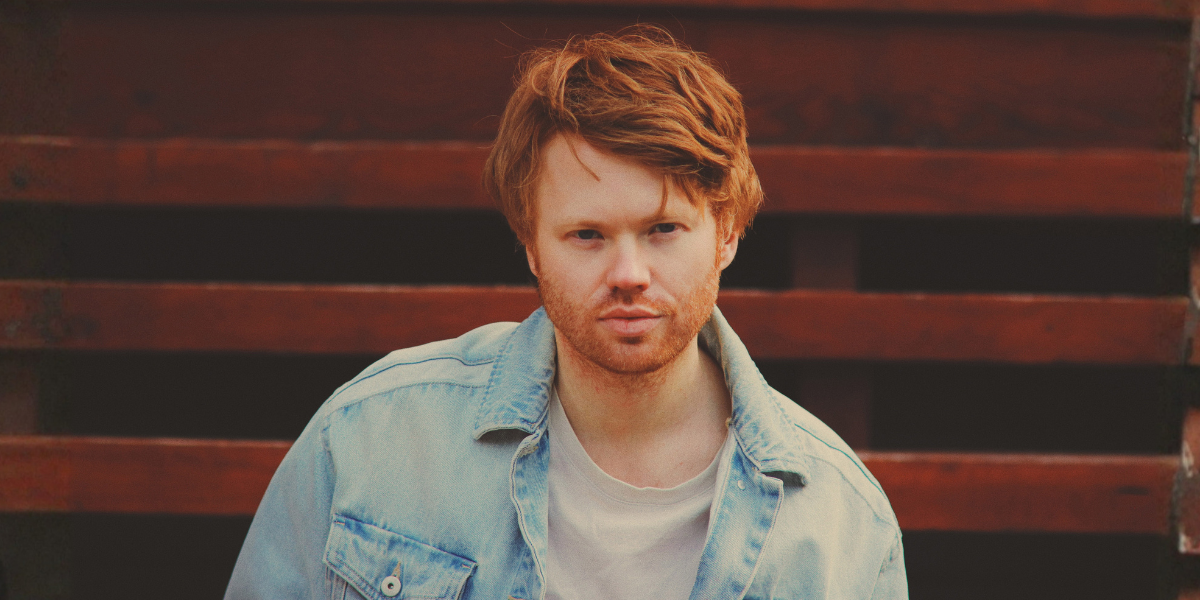
Par Eric Smith, défenseur de Freewrite

En novembre, mon dixième livre pour jeunes adultes paraîtra. Avec ou sans toi , une petite comédie romantique sur des adolescents rivaux et des camions de cheesesteaks en guerre.

Dix, quand même. Dix livres.

S'il y a une question que l'on me pose plus souvent que toutes les autres dans ma vie d'écrivain et d'éditeur, c'est celle du temps. Comment est-il possible de s'asseoir et de travailler tout en jonglant avec des choses importantes comme un travail, une famille et le peu de vie sociale qui me reste (ou non).

Eh bien, parfois, la réponse est simplement de ne pas écrire et de faire autre chose.

Il y a quelques années, j'assistais à une séance de dédicaces chez The Fountain à Richmond, en Virginie, l'une de mes librairies indépendantes préférées. La brillante Beth Revis était présente et parlait de son dernier roman, Un monde sans toi . Quelqu'un lui a posé une question similaire : comment parvenait-elle à écrire autant alors qu'elle pourrait faire tant d'autres choses ? Sortir, passer du temps avec ses amis, vivre des aventures.

Et c'est à ce moment-là qu'elle a dit des mots qui m'ont marqué.

Quand vous devez choisir entre l’écriture et l’aventure… choisissez l’aventure.

Cet été, je suis allé rendre visite à la famille de ma femme dans le Michigan. J'ai décidé de ne pas emporter mon ordinateur portable (même si, oui, j'ai emporté mon Freewrite, je ne suis pas parfait), et de simplement me détendre. Recharger mes batteries. Lire autant que possible pour m'amuser et jouer à autant de jeux vidéo que la soirée (et mon enfant de cinq ans, très actif) le permettaient. Il y a eu quelques moments où mon partenaire m'a demandé : « Tu préfères rester en ville et écrire un peu ? » alors que les options étaient plutôt une promenade en bateau sur le lac Michigan ou l'emmener voir son premier match de baseball.

Amis écrivains, choisissez toujours l'aventure.

La façon dont les yeux de mon enfant s'illuminaient sur l'eau et le champ ? C'est ce qui inspirera, et c'est déjà le cas, des heures d'écriture interminables. Je me suis retrouvé à me lever un peu tôt certains jours de vacances, à taper avec une tasse de café, le sourire aux lèvres, le puits rempli. Je ne me forçais pas à m'asseoir et à travailler. J'en avais juste envie, un petit moment. Pour moi.

L'aventure dont Beth a si joliment parlé, c'est elle qui nous ressource. C'est elle qui nous fait avancer. L'aventure ne se résume pas forcément à une course de bateau sur l'un des Grands Lacs. Elle peut être simple. Une soirée entre amis. Une brocante en ville. Une nouvelle randonnée dans un autre quartier. Peu importe.

Parce que choisir l'aventure en famille et entre amis mène souvent à l'aventure dans la prose. Choisir cette aventure fait de moi un meilleur écrivain, un meilleur ami, un meilleur partenaire, un meilleur parent.

Respirez, vivez cette aventure.

Tu trouveras le temps de parler plus tard.

--

Eric Smith auteur

Éric Smith est agent littéraire, auteur pour jeunes adultes et ambassadeur Freewrite originaire d'Elizabeth, dans le New Jersey. En tant qu'agent chez PS Literary, il a travaillé sur des best-sellers et des ouvrages primés du New York Times.

Ses romans récents incluent la sélection YALSA Best Books for Young Readers Don't Read the Comments (Inkyard Press, 2020), You Can Go Your Own Way (Inkyard Press, 2021), les anthologies Battle of the Bands (Candlewick, 2021) et First-Year Orientation (Candlewick, 2023), toutes deux co-éditées avec l'auteur primé Lauren Gibaldi, et Jagged Little Pill: The Novel , qui a été écrit en collaboration avec Alanis Morissette, Diablo Cody, lauréate d'un Oscar, et Glen Ballard, et est une adaptation de la comédie musicale primée aux Grammy et Tony.

Son prochain livre, With or Without You , une comédie romantique sur deux adolescents travaillant dans des camions de cheesesteak rivaux, paraîtra en novembre aux éditions Inkyard Press. Passionné d'écriture et de littérature depuis toujours, il est titulaire d'une licence d'anglais de l'université Kean et d'un master d'anglais de l'université Arcadia, où il encadre actuellement des étudiants en master des beaux-arts. Il vit à Philadelphie avec sa femme et son fils et apprécie les jeux vidéo, le pop punk et les films.
avril 15, 2026 4 lire la lecture

Break up with Final Draft for good. Get the best screenplay workflow in Hollywood: Freewrite + Highland Pro.

avril 01, 2026 0 lire la lecture
mars 22, 2026 3 lire la lecture

If you're new here, freewriting is “an unfiltered and non-stop writing practice.” It’s sometimes known as stream-of-consciousness writing.

To do it, you simply need to write continuously, without pausing to rephrase, self-edit, or spellcheck. Freewriting is letting your words flow in their raw, natural state.

When writing the first draft of a novel, freewriting is the approach we, and many authors, recommend because it frees you from many of the stumbling blocks writers face.

This method helps you get to a state of feeling focused and uninhibited, so you can power through to the finish line.

How Freewriting Gives You Mental Clarity

Freewriting is like thinking with your hands. Some writers have described it as "telling yourself the story for the first time."

Writing for Inside Higher Ed, Steven Mintz says, “Writing is not simply a matter of expressing pre-existing thoughts clearly. It’s the process through which ideas are produced and refined.” And that’s the magic of putting pen to paper, or fingertips to keyboard. The way you learned to ride a bike by wobbling until suddenly you were pedaling? The way you learned certain skills by doing as well as revising? It works for writing, too.

The act of writing turns on your creative brain and kicks it into high gear. You’re finally able to articulate that complex idea the way you want to express it when you write, not when you stare at a blank page and inwardly think until the mythical perfect sentence comes to mind.

Writing isn’t just the way we express ideas, but it’s how we extract them in the first place. Writing is thinking.

Or, as Flannery O'Connor put it:

“I write because I don't know what I think until I read what I say.”

Writing isn’t just the way we express ideas, but it’s how we extract them in the first place. Writing is thinking.


Freewriting to Freethinking

But how and why does it work? Freewriting makes fresh ideas tumble onto the page because this type of writing helps you get into a meditative flow state, where the distractions of the world around you slip away.

Julie Cameron, acclaimed author of The Artist’s Way, proposed the idea that flow-state creativity comes from a divine source. And sure, it certainly feels like wizardry when the words come pouring out and scenes seem to arrange themselves on the page fully formed. But that magic, in-the-zone writing feeling doesn’t have to happen only once in a blue moon. It’s time to bust that myth.

By practicing regular freewriting and getting your mind (and hands) used to writing unfiltered, uncensored, and uninterrupted, you start freethinking and letting the words flow. And the science backs it up.

According to Psychology Today, the dorsolateral prefrontal cortex goes quiet during flow state. This part of the brain is in charge of “self-monitoring and impulse control” – in other words, the DLPFC is the tiny home of your loud inner critic. And while that mean little voice in your head takes a long-overdue nap, you’re free to write without doubt or negative self-talk.

“With this area [of the brain] deactivated, we’re far less critical and far more courageous, both augmenting our ability to imagine new possibilities and share those possibilities with the world.”

Freewriting helps us connect with ourselves and our own thoughts, stories, beliefs, fears, and desires. But working your creative brain is like working a muscle. It needs regular flexing to stay strong.

So, if freewriting helps us think and organize our thoughts and ideas, what happens if we stop writing? If we only consume and hardly ever create, do we lose the ability to think for ourselves? Up next, read "Are We Living through a Creativity Crisis?"


Learn More About Freewriting

Get the ultimate guide to boosting creativity and productivity with freewriting absolutely free right here.You'll learn how to overcome perfectionism, enhance flow, and reignite the joy of writing.

SYSF-book-mockup.webp