overlaylink

Comment écrire un livre en 13 semaines

septembre 15, 2023 | 3 lire la lecture

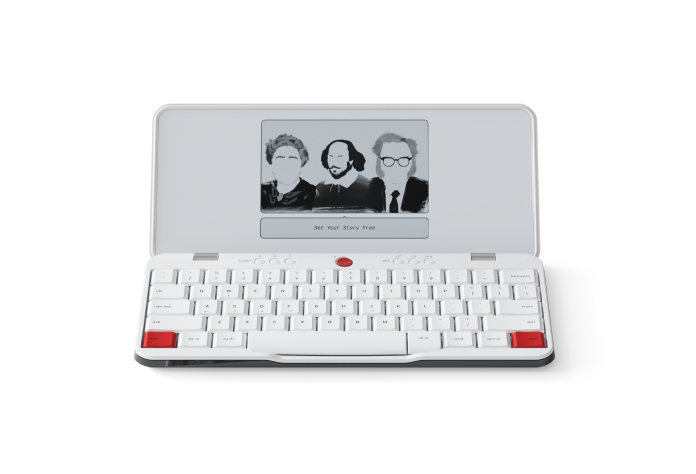
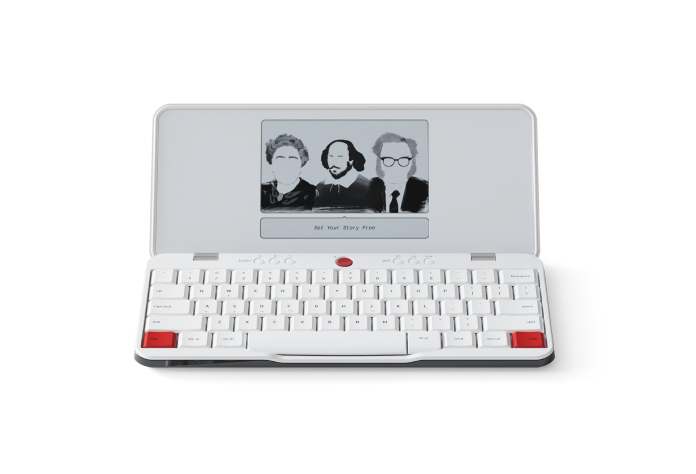
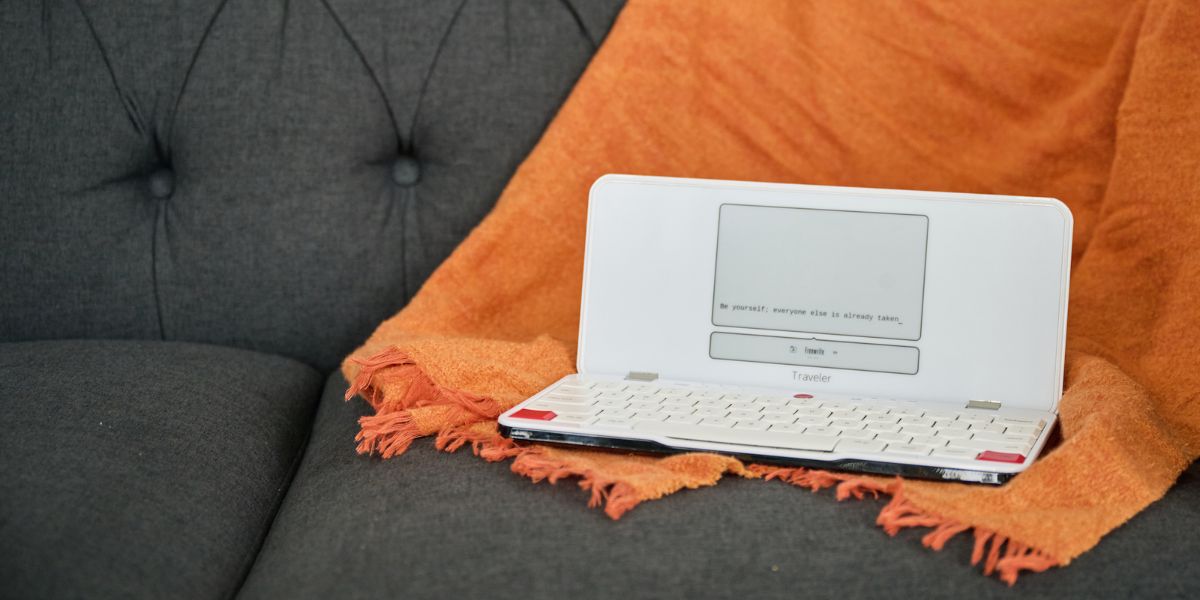
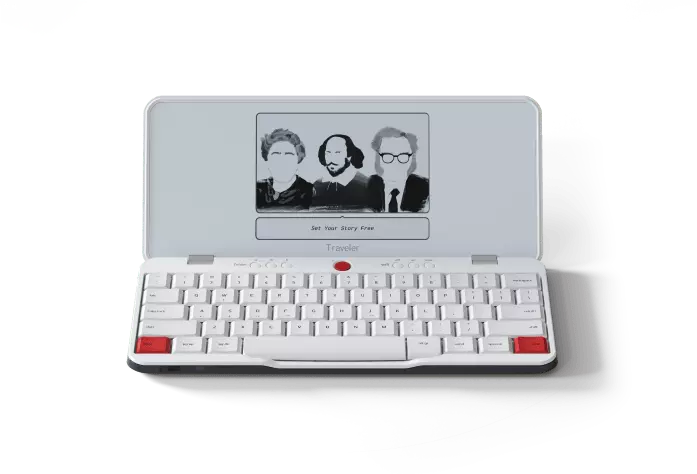
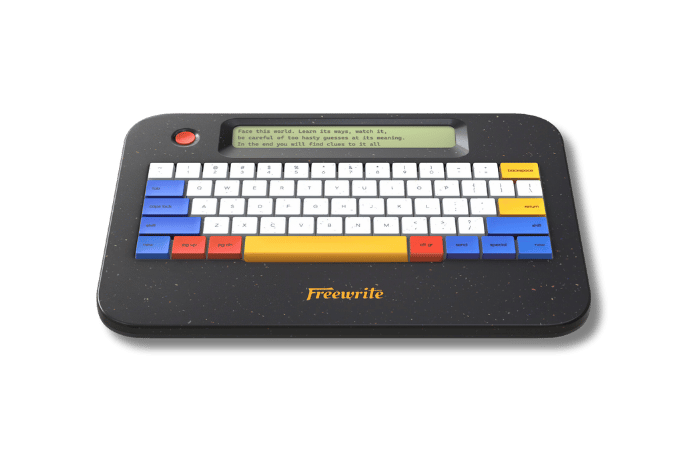
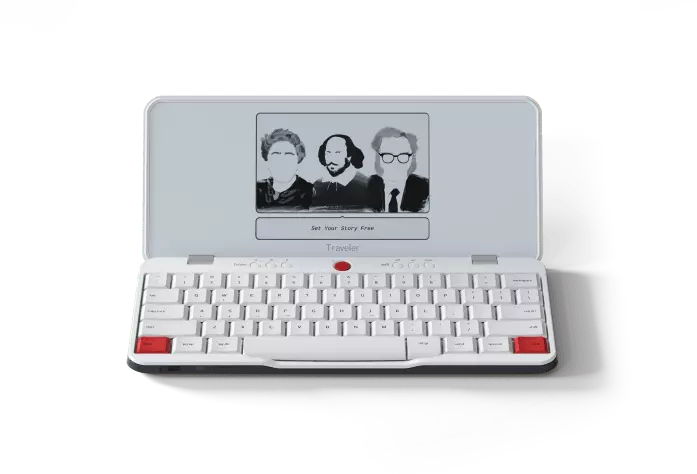
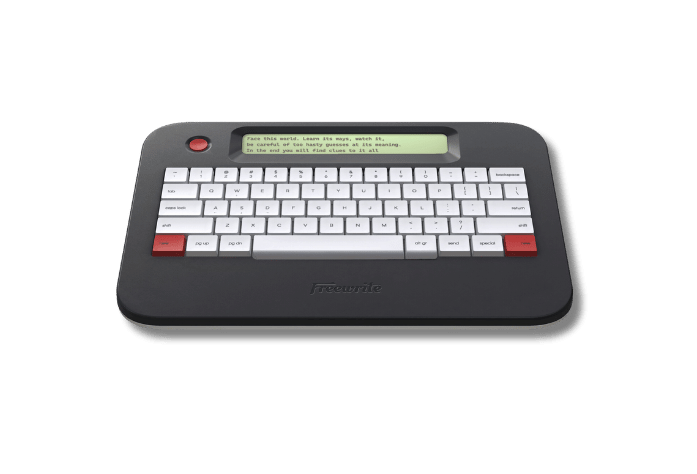
Mina Maguire, « L'Autrice Sorcière », a écrit son premier roman complet en 13 semaines sur son Freewrite Traveler. Passionnée d'histoire et spécialisée en civilisation classique, Mina écrit de la fantasy et de la romance pour adultes sur son Freewrite Traveler, qu'elle adore car il est facile à ranger et lui permet de rédiger n'importe où : sur son canapé, dans le train ou à son bureau. C'est crucial quand on a une échéance à respecter !

Nous nous sommes assis avec Mina pour discuter de son processus d'écriture et de la manière dont les autres peuvent apprendre à rédiger rapidement.

Vous avez rédigé un livre en 13 semaines. Racontez-nous ce parcours !

Je révise actuellement mon deuxième livre, mon premier livre terminé. J'ai essayé de rédiger le premier avec un logiciel de traitement de texte traditionnel et, comme beaucoup, j'ai constaté que je n'arrivais pas à me concentrer à cause de la distraction de mon ordinateur et de la facilité d'accès à Internet (ou plutôt aux réseaux sociaux). Je n'ai pas terminé ce livre, car le manque de concentration m'a fait perdre tout intérêt pour lui.

Pour mon deuxième livre (en cours), j'ai commencé à rédiger mon histoire avec un autre logiciel de traitement de texte spécialement conçu pour les écrivains, mais je n'arrivais toujours pas à me concentrer. Vers 2 000 mots, j'ai vu une publicité pour Freewrite, qui parlait d'un auteur qui avait écrit 45 000 mots en 45 jours, et j'ai été conquis. J'ai acheté Freewrite Traveler la semaine suivante.

Quel était votre programme d’écriture ?

Je m'étais engagé à rédiger entre 500 et 1 000 mots par jour, et en un rien de temps, j'en avais déjà accumulé environ 75 000. C'était incroyable de voir mes progrès. Certains jours, j'écrivais 500 mots, d'autres, je me forçais à en écrire 3 000.

En tant que maman, les emplois du temps peuvent être imprévisibles, mais je me réserve du temps chaque soir, de 21 h à minuit environ, pour écrire. Parfois, trouver l'énergie était difficile, mais Freewrite m'a aidée à me concentrer. Je savais qu'une fois assise pour rédiger, je n'aurais que peu de temps pour écrire.

Le compteur de mots en bas de l’écran m’a aidé à continuer !

Quels conseils donneriez-vous à ceux qui essaient de rédiger rapidement ?

Prenez l'habitude de consacrer du temps chaque jour, même trente minutes, à la rédaction. Freewrite Traveler dispose d'un minuteur à l'écran qui vous indique le temps écoulé ; une fonctionnalité pratique !

De plus, une bonne hydratation (que ce soit de l’eau ou une margarita, ou deux) et une playlist pendant la rédaction sont également très utiles.

Quelqu'un d'autre dans votre foyer aime aussi écrire, n'est-ce pas ?

Mon chien ! Il aime s'allonger à côté de moi pendant que je rédige, car il sait que c'est un moment de calme dans une maisonnée animée. C'est notre moment d'écriture libre !

Comment pouvons-nous suivre votre parcours d’écriture ?

Pour en savoir plus sur mon travail, rendez-vous sur www.darkromanceauthor.com et suivez-moi sur Instagram @Mina_Maguireauthor . Vous pouvez également suivre mon parcours d'écriture sur mon profil Postbox .


--

Mina Maguire est une auteure latino-américaine de romances paranormales qui adore les histoires de fantômes. Passionnée de sorcières, elle adore Fleetwood Mac, les romances paranormales maudites, les séries de chasse aux fantômes et a grandi dans une maison hantée. Pour son premier roman, paru en 2024, Mina transpose sa passion pour la mythologie égyptienne dans une dimension romantique et paranormale, donnant vie à des personnages obscurs dans une boucle fantastique où magie et découverte de soi se croisent.
avril 15, 2026 4 lire la lecture

Break up with Final Draft for good. Get the best screenplay workflow in Hollywood: Freewrite + Highland Pro.

avril 01, 2026 0 lire la lecture
mars 22, 2026 3 lire la lecture

If you're new here, freewriting is “an unfiltered and non-stop writing practice.” It’s sometimes known as stream-of-consciousness writing.

To do it, you simply need to write continuously, without pausing to rephrase, self-edit, or spellcheck. Freewriting is letting your words flow in their raw, natural state.

When writing the first draft of a novel, freewriting is the approach we, and many authors, recommend because it frees you from many of the stumbling blocks writers face.

This method helps you get to a state of feeling focused and uninhibited, so you can power through to the finish line.

How Freewriting Gives You Mental Clarity

Freewriting is like thinking with your hands. Some writers have described it as "telling yourself the story for the first time."

Writing for Inside Higher Ed, Steven Mintz says, “Writing is not simply a matter of expressing pre-existing thoughts clearly. It’s the process through which ideas are produced and refined.” And that’s the magic of putting pen to paper, or fingertips to keyboard. The way you learned to ride a bike by wobbling until suddenly you were pedaling? The way you learned certain skills by doing as well as revising? It works for writing, too.

The act of writing turns on your creative brain and kicks it into high gear. You’re finally able to articulate that complex idea the way you want to express it when you write, not when you stare at a blank page and inwardly think until the mythical perfect sentence comes to mind.

Writing isn’t just the way we express ideas, but it’s how we extract them in the first place. Writing is thinking.

Or, as Flannery O'Connor put it:

“I write because I don't know what I think until I read what I say.”

Writing isn’t just the way we express ideas, but it’s how we extract them in the first place. Writing is thinking.


Freewriting to Freethinking

But how and why does it work? Freewriting makes fresh ideas tumble onto the page because this type of writing helps you get into a meditative flow state, where the distractions of the world around you slip away.

Julie Cameron, acclaimed author of The Artist’s Way, proposed the idea that flow-state creativity comes from a divine source. And sure, it certainly feels like wizardry when the words come pouring out and scenes seem to arrange themselves on the page fully formed. But that magic, in-the-zone writing feeling doesn’t have to happen only once in a blue moon. It’s time to bust that myth.

By practicing regular freewriting and getting your mind (and hands) used to writing unfiltered, uncensored, and uninterrupted, you start freethinking and letting the words flow. And the science backs it up.

According to Psychology Today, the dorsolateral prefrontal cortex goes quiet during flow state. This part of the brain is in charge of “self-monitoring and impulse control” – in other words, the DLPFC is the tiny home of your loud inner critic. And while that mean little voice in your head takes a long-overdue nap, you’re free to write without doubt or negative self-talk.

“With this area [of the brain] deactivated, we’re far less critical and far more courageous, both augmenting our ability to imagine new possibilities and share those possibilities with the world.”

Freewriting helps us connect with ourselves and our own thoughts, stories, beliefs, fears, and desires. But working your creative brain is like working a muscle. It needs regular flexing to stay strong.

So, if freewriting helps us think and organize our thoughts and ideas, what happens if we stop writing? If we only consume and hardly ever create, do we lose the ability to think for ourselves? Up next, read "Are We Living through a Creativity Crisis?"


Learn More About Freewriting

Get the ultimate guide to boosting creativity and productivity with freewriting absolutely free right here.You'll learn how to overcome perfectionism, enhance flow, and reignite the joy of writing.

SYSF-book-mockup.webp