overlaylink

Machine à écrire électrique ou machine à écrire libre : quel outil d'écriture est le meilleur ?

juillet 23, 2018 | 2 lire la lecture

Savez-vous ce que les écrivains Ernest Hemingway et Danielle Steel ont en commun ? Leurs sujets et leur style sont très différents. Mais pour choisir leur instrument d'écriture, tous deux ont opté pour une machine à écrire.

Bien sûr, les ordinateurs personnels n'existaient pas à l'époque où Hemingway écrivait ses chefs-d'œuvre. Mais un nombre surprenant d'écrivains modernes évitent de travailler sur ordinateur. L'humoriste PJ O'Rourke préfère une machine à écrire électrique IBM Selectric à un ordinateur, car elle « ne gêne pas » le processus d'écriture. Autrement dit, O'Rourke n'apprécie pas les distractions liées à l'utilisation d'un ordinateur.

De nombreux écrivains modernes délaissent l'ordinateur et optent pour une approche simple, « mots sur papier ». Certains rédigent leurs premiers brouillons à la main, d'autres utilisent des machines à écrire. Outre la sensation de retour aux sources sans distraction, des écrivains comme Steel trouvent que la frappe sur un clavier mécanique est plus propice à la créativité.

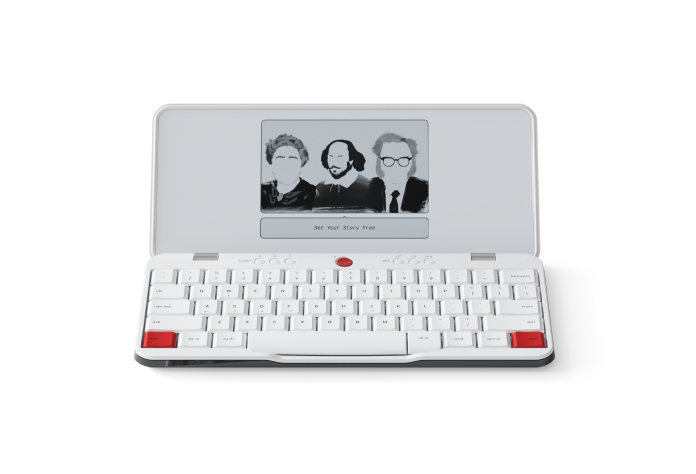
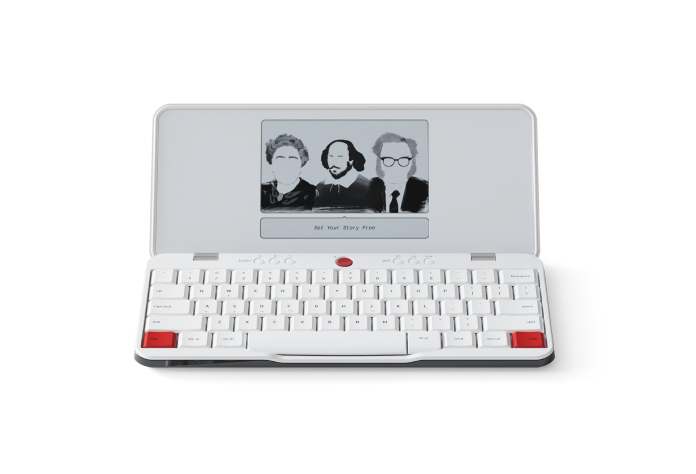
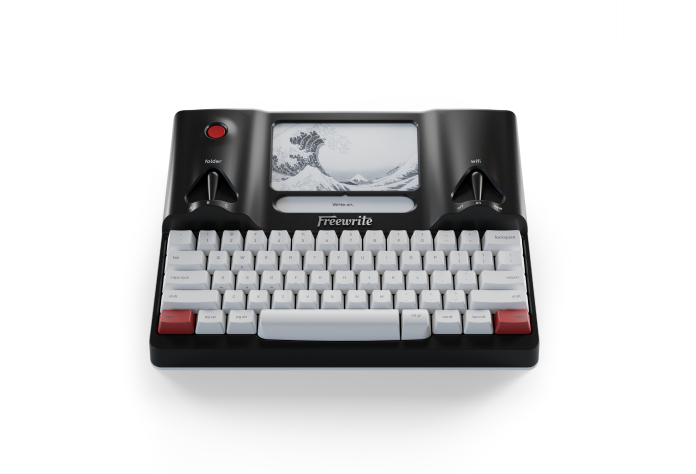
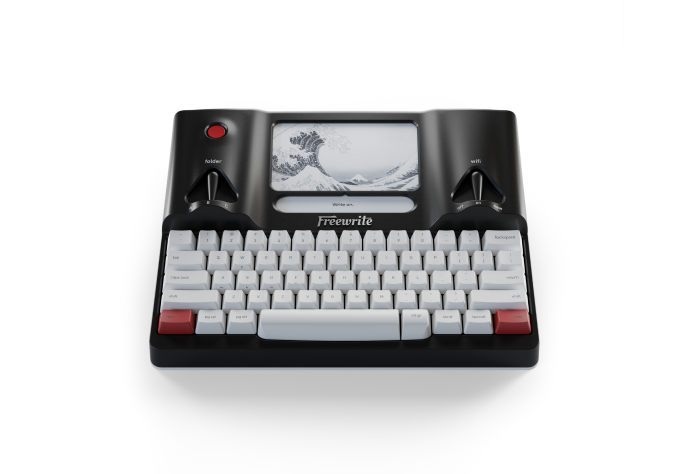
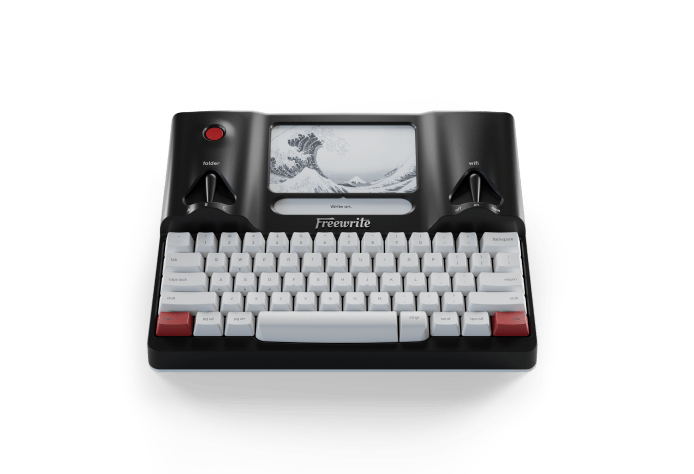
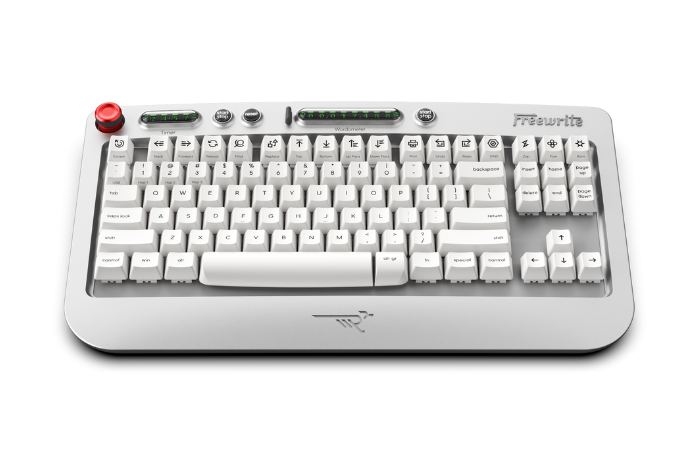
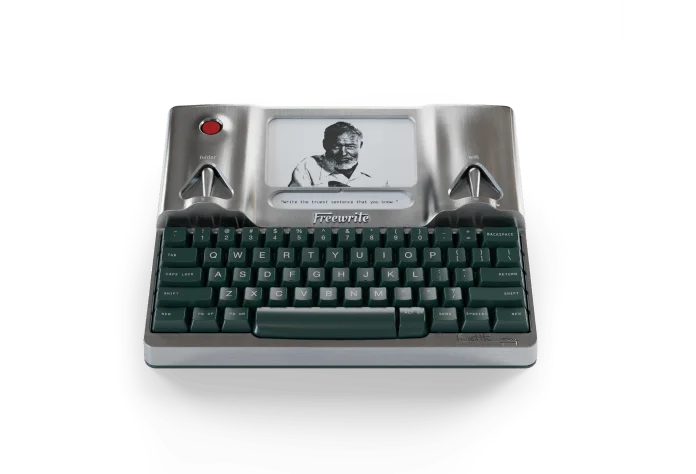
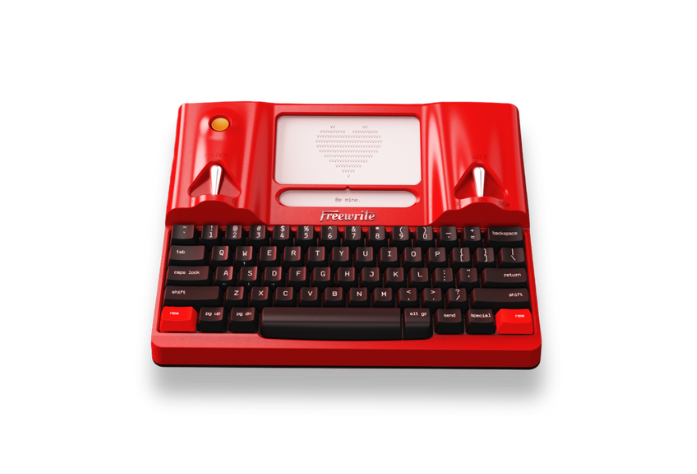
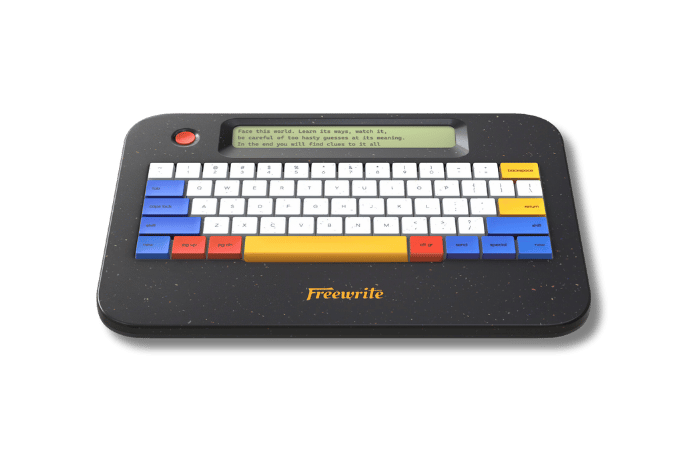
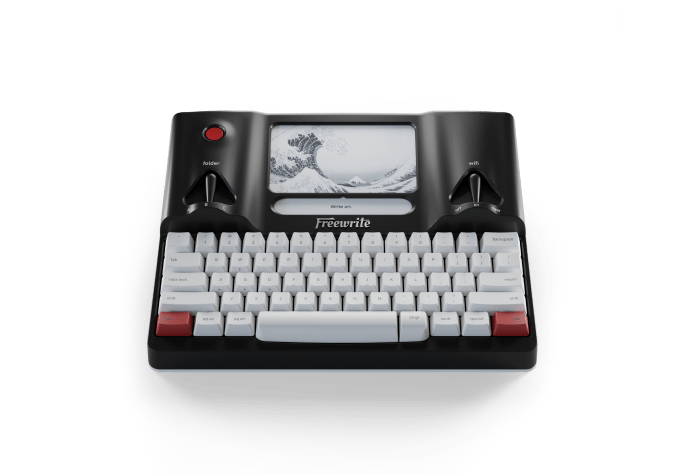
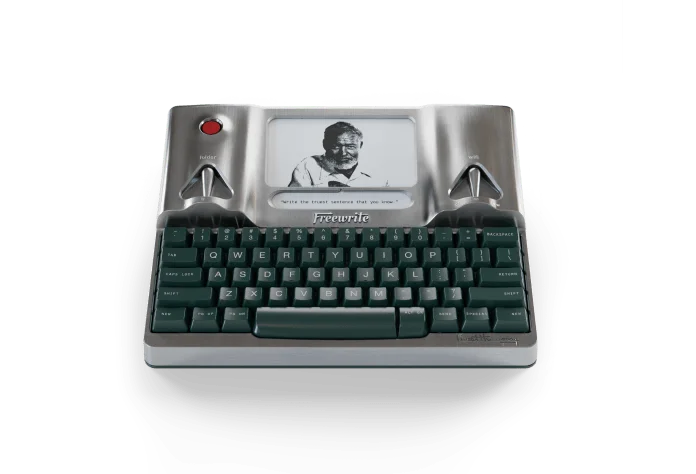
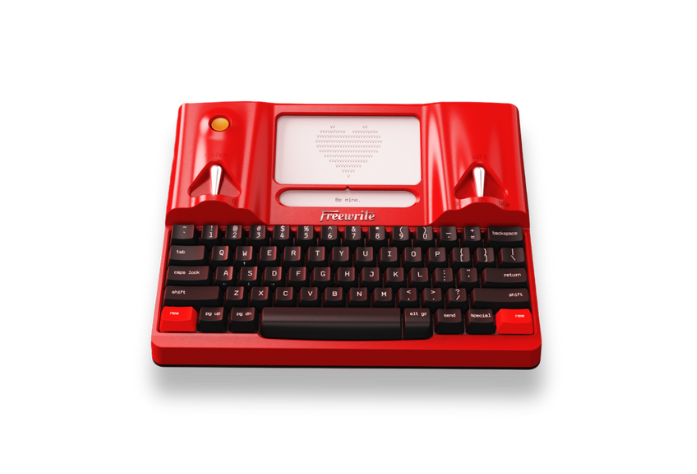
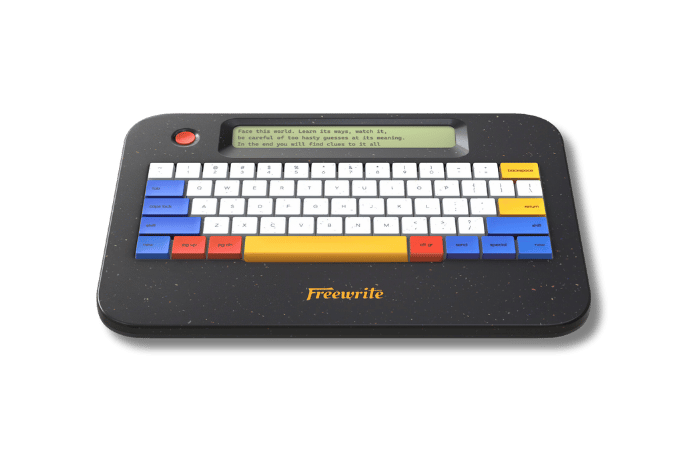
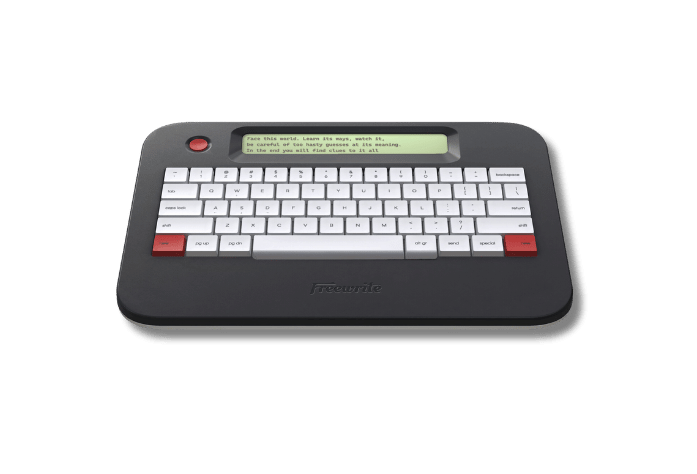
Si vous êtes un écrivain qui peine à travailler sur ordinateur, vous avez de meilleures options. L'une d'elles est la machine à écrire électronique. L'autre est la Freewrite. La Freewrite est un outil conçu dès le départ pour les écrivains. Comment les deux se comparent-elles ? Voici un aperçu.

Caractéristiques de la machine à écrire électrique

Les meilleurs modèles de machines à écrire électriques offrent une multitude d'options. Parmi les fonctionnalités courantes, on trouve le dessin au trait, la mémoire de correction, l'effacement de mots et de caractères, le soulignement, les retours chariot automatiques, la mémoire de tabulation programmable et les fonctions d'impression bidirectionnelle. Nombre d'entre elles incluent également des capacités de stockage amovibles.

L'outil d'écriture Freewrite

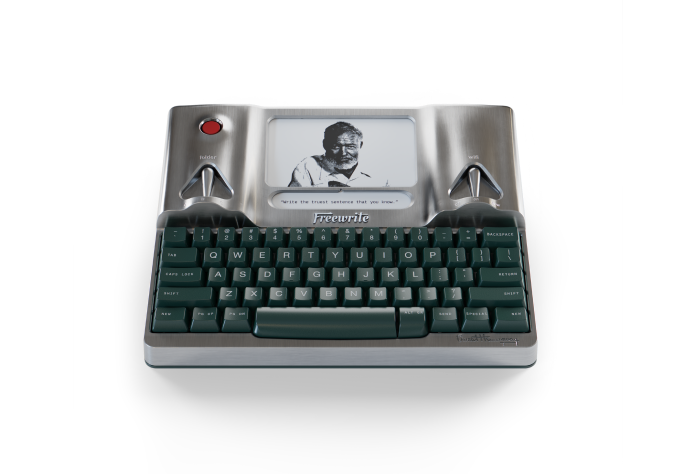
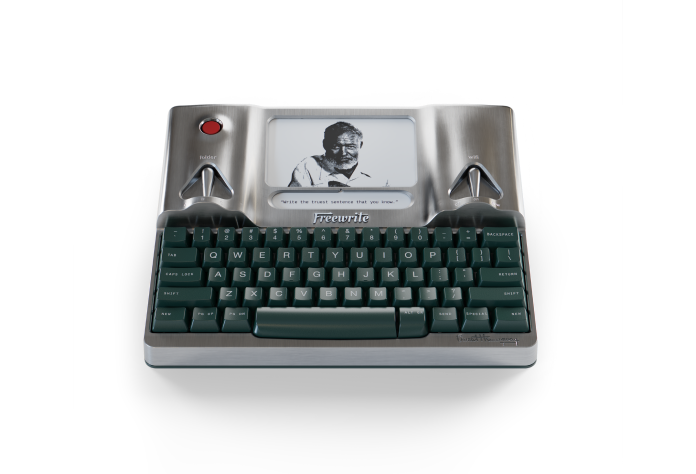
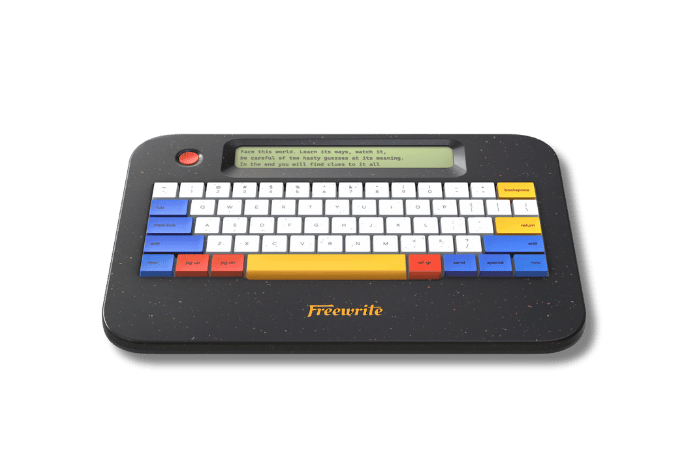
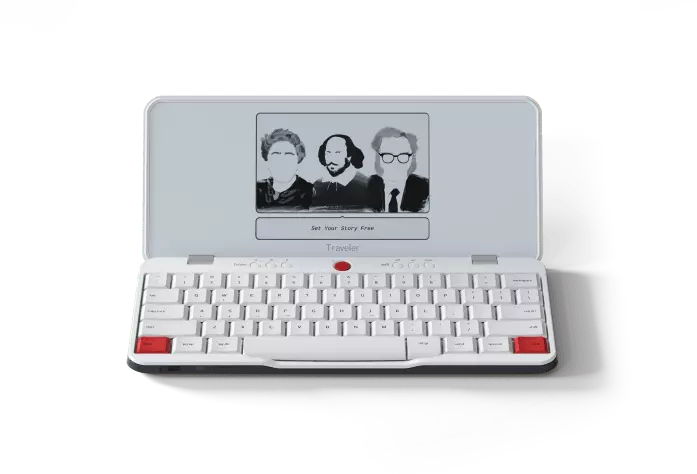
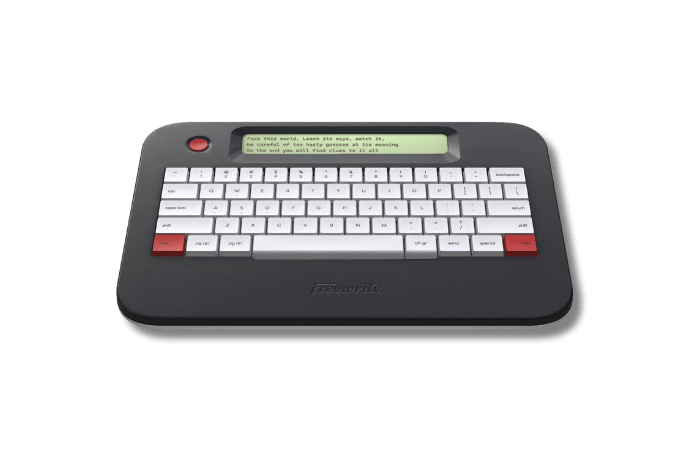
La Freewrite allie la simplicité d'une machine à écrire aux avantages des documents numériques modernes. Elle conserve la sensation tactile d'une machine à écrire avec clavier mécanique. Mais au lieu de devoir retaper les documents papier pour les transférer sur l'ordinateur, les documents de la Freewrite sont déjà numériques. Les documents sont enregistrés sur l'appareil et synchronisés automatiquement avec Dropbox, Evernote ou Google Drive : vous n'avez donc pas à vous soucier des pannes d'ordinateur ou des coupures de courant. Le téléchargement des fichiers est effectué avec un cryptage SSL 256 bits. Chaque élément de la Freewrite stimule la créativité. Légère et dotée d'une poignée escamotable, elle vous permet d'emporter votre ordinateur au parc, de trouver l'inspiration et d'appuyer sur les touches du clavier mécanique.

Quel est le verdict ?

Si vous cherchez un moyen de mettre fin aux distractions, d'amplifier votre créativité et de booster votre productivité, le Freewrite est la solution idéale. Avec lui, vous trouverez rapidement votre rythme d'écriture. Et une fois que vous y serez, vous y resterez.
avril 15, 2026 4 lire la lecture

Break up with Final Draft for good. Get the best screenplay workflow in Hollywood: Freewrite + Highland Pro.

avril 01, 2026 0 lire la lecture
mars 22, 2026 3 lire la lecture

If you're new here, freewriting is “an unfiltered and non-stop writing practice.” It’s sometimes known as stream-of-consciousness writing.

To do it, you simply need to write continuously, without pausing to rephrase, self-edit, or spellcheck. Freewriting is letting your words flow in their raw, natural state.

When writing the first draft of a novel, freewriting is the approach we, and many authors, recommend because it frees you from many of the stumbling blocks writers face.

This method helps you get to a state of feeling focused and uninhibited, so you can power through to the finish line.

How Freewriting Gives You Mental Clarity

Freewriting is like thinking with your hands. Some writers have described it as "telling yourself the story for the first time."

Writing for Inside Higher Ed, Steven Mintz says, “Writing is not simply a matter of expressing pre-existing thoughts clearly. It’s the process through which ideas are produced and refined.” And that’s the magic of putting pen to paper, or fingertips to keyboard. The way you learned to ride a bike by wobbling until suddenly you were pedaling? The way you learned certain skills by doing as well as revising? It works for writing, too.

The act of writing turns on your creative brain and kicks it into high gear. You’re finally able to articulate that complex idea the way you want to express it when you write, not when you stare at a blank page and inwardly think until the mythical perfect sentence comes to mind.

Writing isn’t just the way we express ideas, but it’s how we extract them in the first place. Writing is thinking.

Or, as Flannery O'Connor put it:

“I write because I don't know what I think until I read what I say.”

Writing isn’t just the way we express ideas, but it’s how we extract them in the first place. Writing is thinking.


Freewriting to Freethinking

But how and why does it work? Freewriting makes fresh ideas tumble onto the page because this type of writing helps you get into a meditative flow state, where the distractions of the world around you slip away.

Julie Cameron, acclaimed author of The Artist’s Way, proposed the idea that flow-state creativity comes from a divine source. And sure, it certainly feels like wizardry when the words come pouring out and scenes seem to arrange themselves on the page fully formed. But that magic, in-the-zone writing feeling doesn’t have to happen only once in a blue moon. It’s time to bust that myth.

By practicing regular freewriting and getting your mind (and hands) used to writing unfiltered, uncensored, and uninterrupted, you start freethinking and letting the words flow. And the science backs it up.

According to Psychology Today, the dorsolateral prefrontal cortex goes quiet during flow state. This part of the brain is in charge of “self-monitoring and impulse control” – in other words, the DLPFC is the tiny home of your loud inner critic. And while that mean little voice in your head takes a long-overdue nap, you’re free to write without doubt or negative self-talk.

“With this area [of the brain] deactivated, we’re far less critical and far more courageous, both augmenting our ability to imagine new possibilities and share those possibilities with the world.”

Freewriting helps us connect with ourselves and our own thoughts, stories, beliefs, fears, and desires. But working your creative brain is like working a muscle. It needs regular flexing to stay strong.

So, if freewriting helps us think and organize our thoughts and ideas, what happens if we stop writing? If we only consume and hardly ever create, do we lose the ability to think for ourselves? Up next, read "Are We Living through a Creativity Crisis?"


Learn More About Freewriting

Get the ultimate guide to boosting creativity and productivity with freewriting absolutely free right here.You'll learn how to overcome perfectionism, enhance flow, and reignite the joy of writing.

SYSF-book-mockup.webp