overlaylink

Briser le syndrome de la page blanche : une infographie

octobre 30, 2018 | 2 lire la lecture

Le syndrome de la page blanche peut toucher tout le monde, que vous soyez un écrivain débutant ou que vous ayez publié plusieurs ouvrages à succès. Ces périodes de manque d'inspiration peuvent être pénibles à gérer, car elles peuvent durer des jours, voire des semaines. C'est parfois angoissant, surtout si vous vivez de l'écriture.

Mais que se passe-t-il exactement lorsque vous souffrez du syndrome de la page blanche ?

Cela se passe différemment pour chacun. Si certains n'arrivent pas à écrire une seule phrase correcte, d'autres parviennent à écrire des pages de paragraphes, mais avec une qualité bien inférieure à celle à laquelle ils sont habitués. Certains peinent à trouver les mots justes, et d'autres ont trop d'idées pour tenir dans un seul article.

Le syndrome de la page blanche peut survenir à tout moment, parfois à des moments cruciaux de votre carrière d'écrivain. Face à son caractère imprévisible, connaître quelques techniques pour le surmonter peut s'avérer utile.

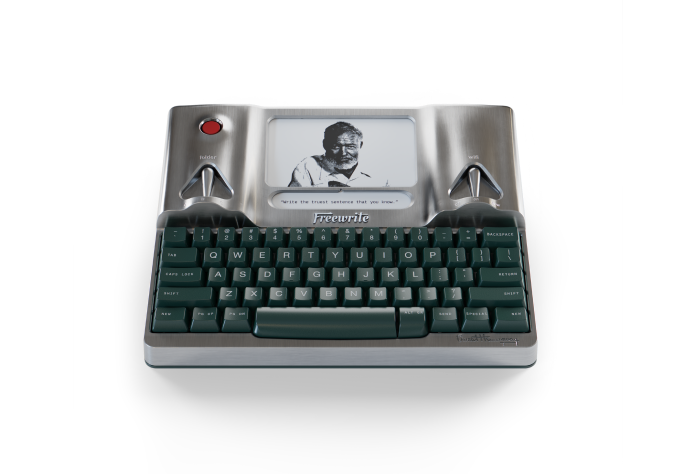
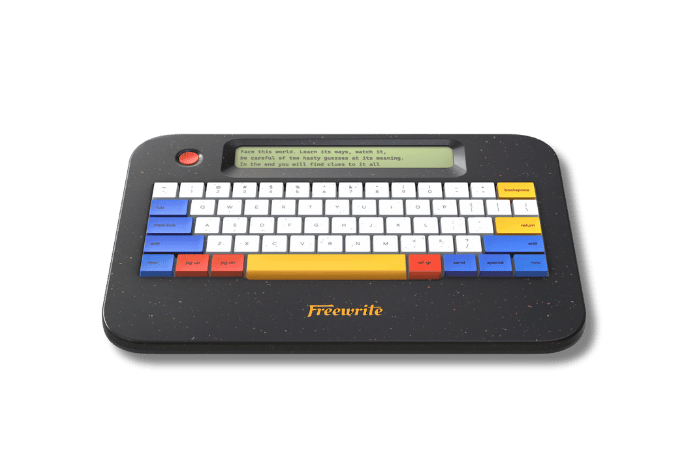
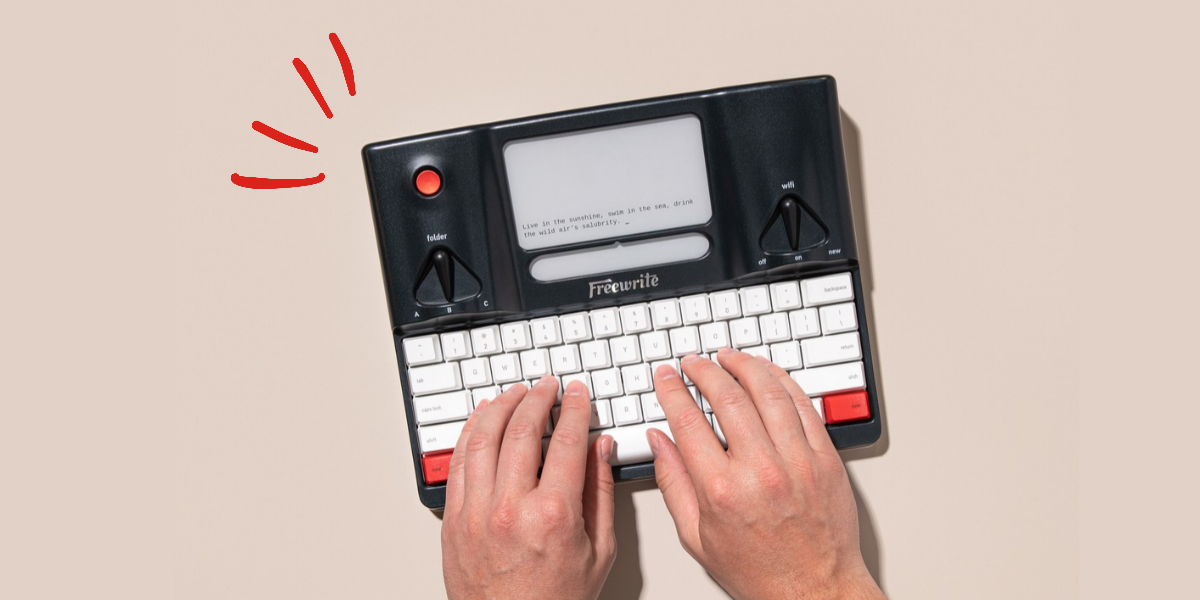
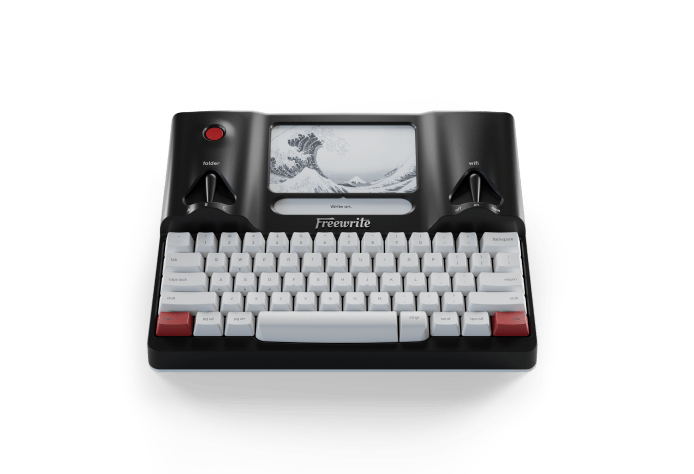
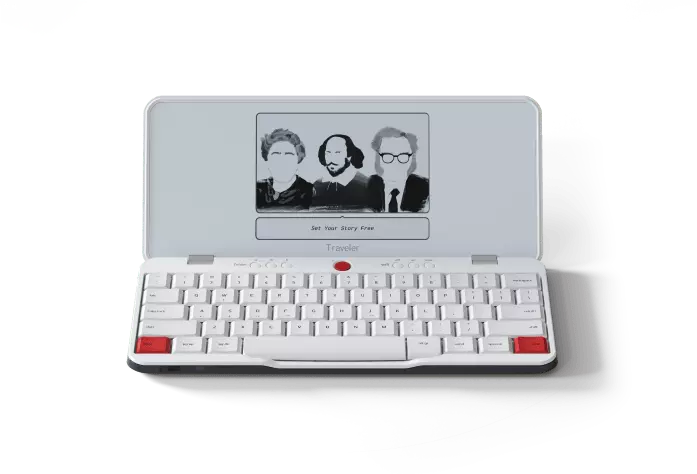
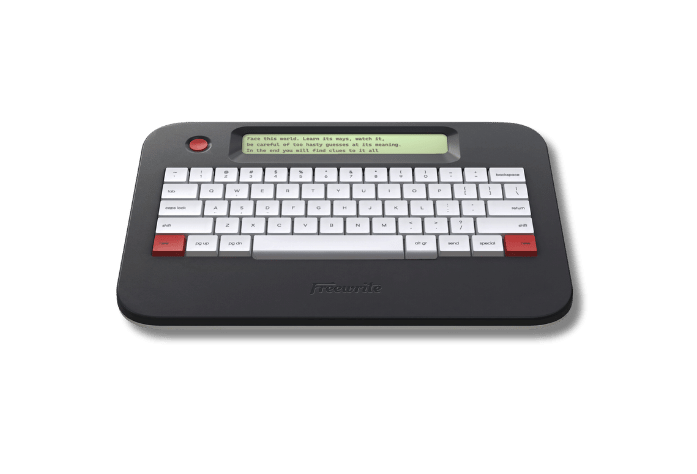
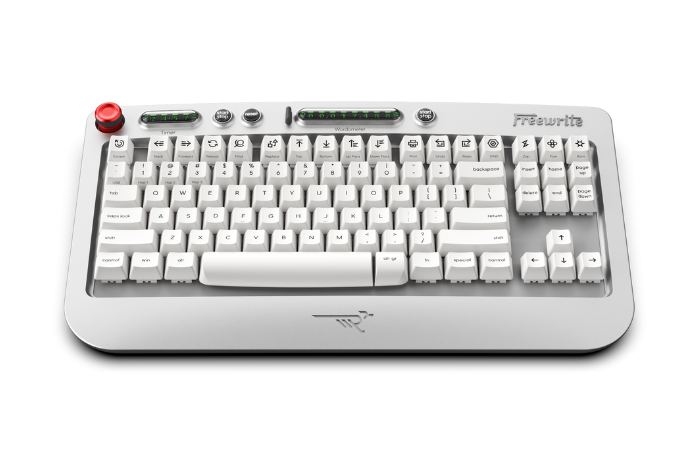
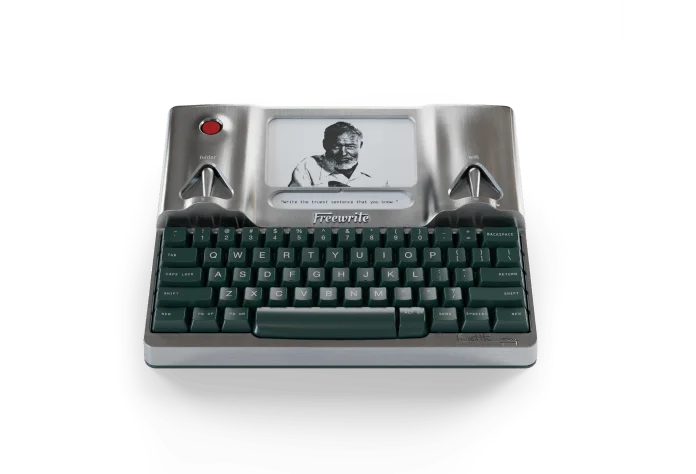
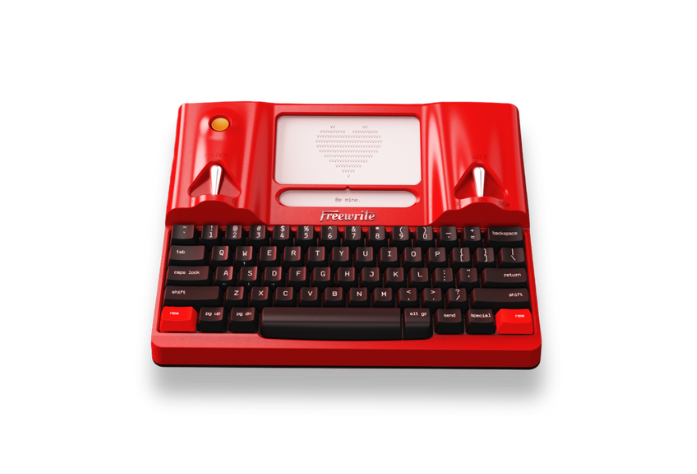
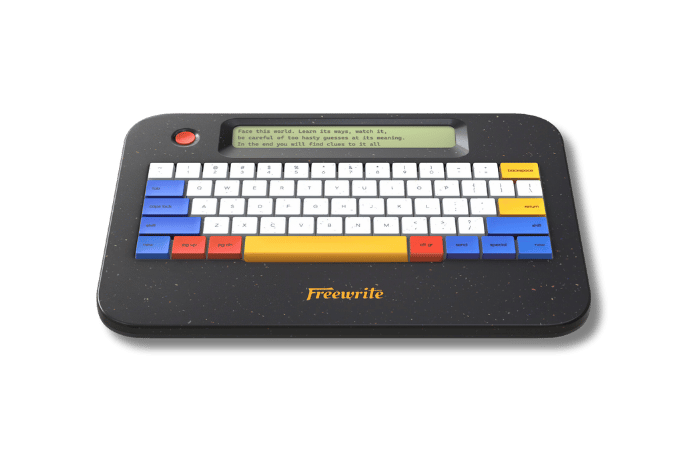
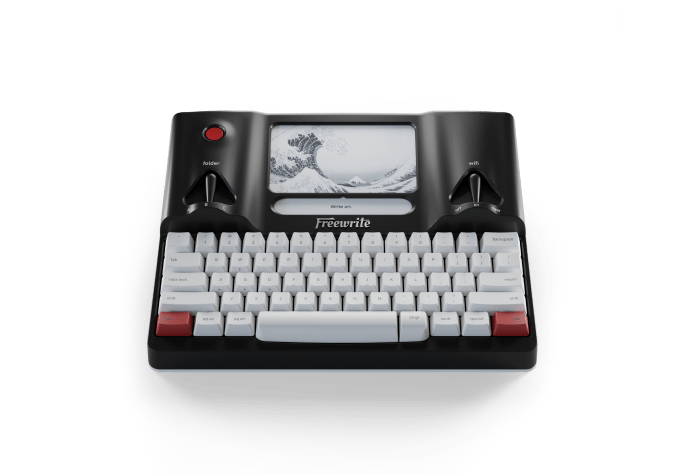
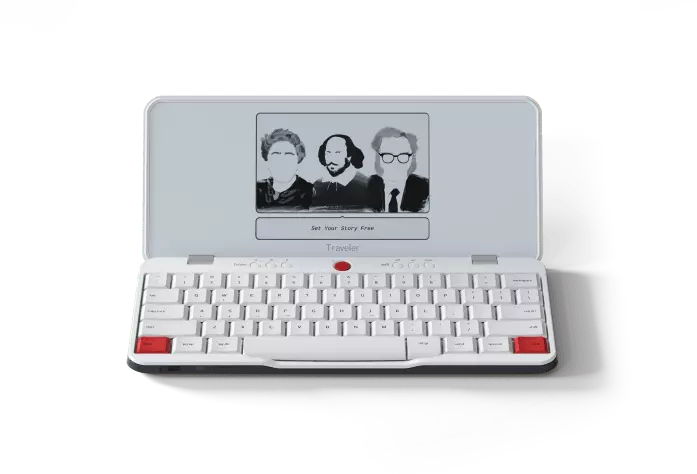
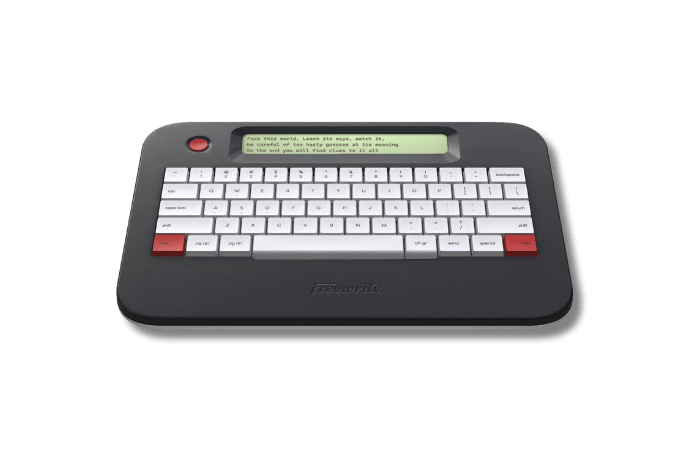
Certains experts recommandent de continuer à écrire, même si ce que vous écrivez n'a pas de sens. Vous pouvez même écrire sur un autre sujet : trouvez un sujet qui vous passionne vraiment et laissez vos pensées et vos idées transparaître par écrit. Vous pouvez également améliorer votre concentration en utilisant une machine à écrire sans distraction, ce qui vous obligera à écrire encore et encore jusqu'à la fin.

Cependant, si vous n'arrivez même pas à trouver les mots pour griffonner, fermez tout et allez vous promener. Parfois, le simple fait de sortir pour décompresser peut aider à débloquer la boîte mentale qui bloque votre créativité. Sortez, rencontrez des gens ; changez d'environnement ; autrement dit, faites autre chose.

Vous souhaitez en savoir plus sur cette expérience effrayante mais inévitable ? Consultez cette infographie pour plus de détails.

Le syndrome de la page blanche peut être pénible à gérer, mais même les écrivains les plus célèbres en ont souffert à différents moments de leur carrière. Ne vous découragez pas si vous êtes confronté à ce problème. Après tout, il existe de nombreuses façons de surmonter ce blocage créatif.

Briser le syndrome de la page blanche

janvier 09, 2026 2 lire la lecture

A new year means a whole new crop of work is entering the public domain. And that means endless opportunities for retellings, spoofs, adaptations, and fan fiction.

décembre 30, 2025 3 lire la lecture

It’s Freewrite’s favorite time of year. When dictionaries around the world examine language use of the previous year and select a “Word of the Year.”

Of course, there are many different dictionaries in use in the English language, and they all have different ideas about what word was the most influential or saw the most growth in the previous year. They individually review new slang and culturally relevant vocabulary, examine spikes or dips in usage, and pour over internet trend data.

Let’s see what some of the biggest dictionaries decided for 2025. And read to the end for a chance to submit your own Word of the Year — and win a Freewrite gift card.

[SUBMIT YOUR WORD OF THE YEAR]


Merriam-Webster: "slop"

Merriam-Webster chose "slop" as its Word of the Year for 2025 to describe "all that stuff dumped on our screens, captured in just four letters."

The dictionary lists "absurd videos, off-kilter advertising images, cheesy propaganda, fake news that looks pretty real, junky AI-written books, 'workslop' reports that waste coworkers’ time … and lots of talking cats" as examples of slop.

The original sense of the word "slop" from the 1700s was “soft mud” and eventually evolved to mean "food waste" and "rubbish." 2025 linked the term to AI, and the rest is history.

Honorable mentions: conclave, gerrymander, touch grass, performative, tariff, 67.

Dictionary.com: "67"

The team at Dictionary.com likes to pick a word that serves as “a linguistic time capsule, reflecting social trends and global events that defined the year.”

For 2025, they decided that “word” was actually a number. Or two numbers, to be exact.

If you’re an old, like me, and don’t know many school-age children, you may not have heard “67” in use. (Note that this is not “sixty-seven,” but “six, seven.”)

Dictionary.com claims the origin of “67” is a song called “Doot Doot (6 7)” by Skrilla, quickly made infamous by viral TikTok videos, most notably featuring a child who will for the rest of his life be known as the “6-7 Kid.” But according to my nine-year-old cousin, the origins of something so mystical can’t ever truly be known.

(My third grade expert also demonstrated the accompanying signature hand gesture, where you place both hands palms up and alternately move up and down.)

And if you happen to find yourself in a fourth-grade classroom, watch your mouth, because there’s a good chance this term has been banned for the teacher’s sanity.

Annoyed yet? Don’t be. As Dictionary.com points out, 6-7 is a rather delightful example at how fast language can develop as a new generation joins the conversation.

Dictionary.com honorable mentions: agentic, aura farming, broligarchy, clanker, Gen Z stare, kiss cam, overtourism, tariff, tradwife.

Oxford Dictionary: "rage bait"

With input from more than 30,000 users and expert analysis, Oxford Dictionary chose "rage bait" for their word of the year.

Specifically, the dictionary pointed to 2025’s news cycle, online manipulation tactics, and growing awareness of where we spend our time and attention online.

While closely paralleling its etymological cousin "clickbait," rage bait more specifically denotes content that evokes anger, discord, or polarization.

Oxford's experts report that use of the term has tripled in the last 12 months.

Oxford Dictionary's honorable mentions:aura farming, biohack.

Cambridge Dictionary: "parasocial"

The Cambridge Dictionary examined a sustained trend of increased searches to choose "parasocial" as its Word of the Year.

Believe it or not, this term was coined by sociologists in 1956, combining “social” with the Greek-derived prefix para-, which in this case means “similar to or parallel to, but separate from.”

But interest in and use of the term exploded this year, finally moving from a mainly academic context to the mainstream.

Cambridge Dictionary's honorable mentions: slop, delulu, skibidi, tradwife

Freewrite: TBD

This year, the Freewrite Fam is picking our own Word of the Year.

Click below to submit what you think the Word of 2025 should be, and we'll pick one submission to receive a Freewrite gift card.

[SUBMIT HERE] 

--

Sources

décembre 18, 2025 6 lire la lecture

Que peuvent apprendre les lettres personnelles de Jane Austen aux écrivains ?