overlaylink

40 livres : Ce que j'aurais aimé savoir au début

mars 28, 2024 | 6 lire la lecture

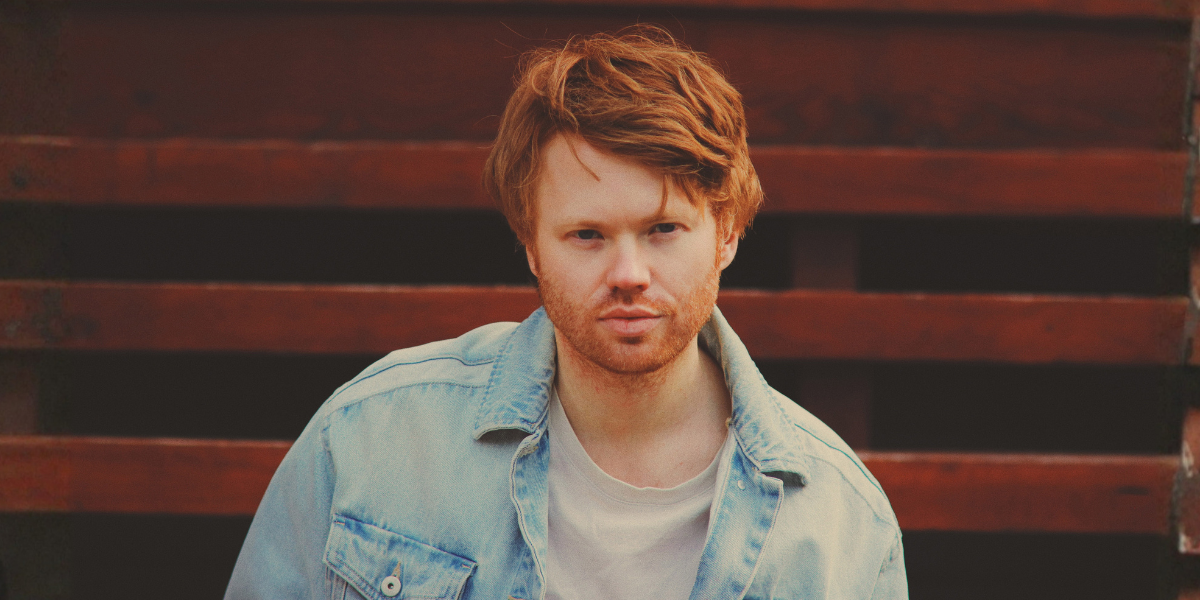
Jayce Carter a écrit plus de 40 livres et a développé une base de lecteurs affamés pour ses romans d'amour paranormaux.

Si l’expression « 40 livres » vous laisse bouche bée et sans voix, vous n’êtes pas seul.

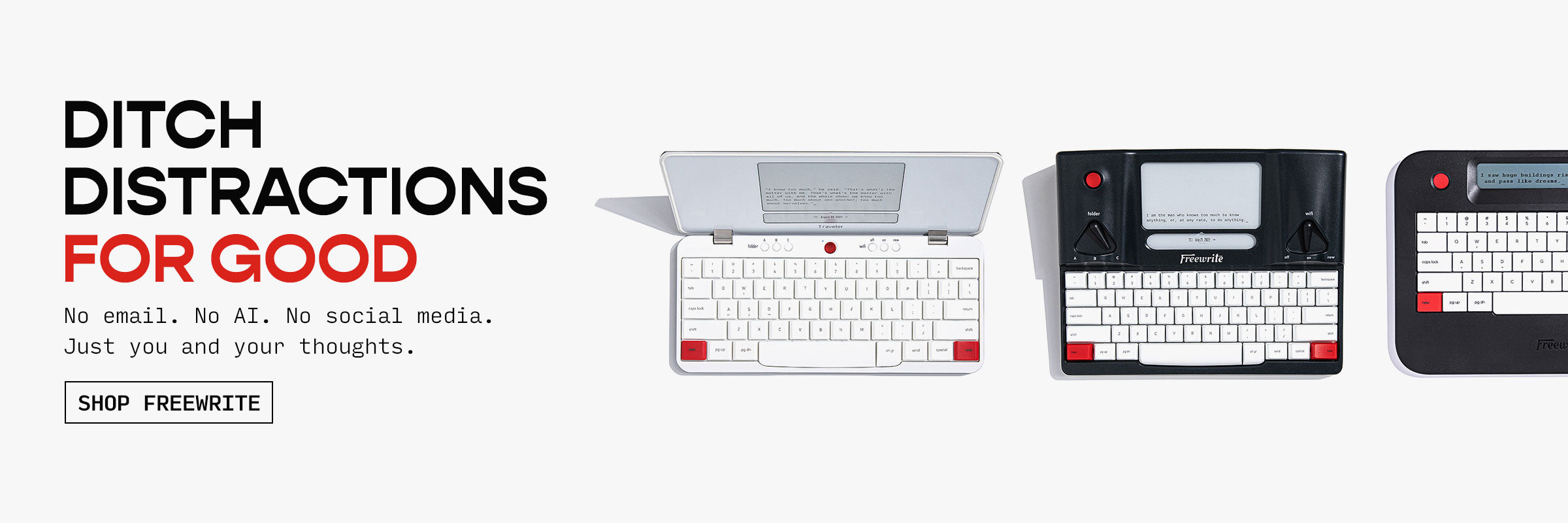
Jayce rédige ses écrits sur Freewrite pour une expérience d'écriture optimale et sans distraction, mais que fait-elle d'autre pour continuer à produire des fictions fantastiques ? Découvrons-le.

Commençons par : 40 livres. Waouh ! Comment as-tu fait ?

J'ai eu un mentor qui m'a dit d'écrire 1 000 mots par jour. Il l'a fait même lors de la naissance de mes enfants, de mon mariage, de mon divorce et de ma maladie, sans jamais manquer un seul jour. Je ne peux pas prétendre être aussi dévouée – j'ai manqué des jours, après tout – mais cet état d'esprit m'a vraiment aidée à écrire quotidiennement.

J'ai constaté que plus cela devient routinier, moins j'ai besoin de me reposer sur la motivation ou l'autodiscipline. Même si je n'écris que quelques mots, écrire, quoi que ce soit, m'aide à maintenir cet élan.

À quoi ressemble votre routine d’écriture ?

L'écriture est mon métier à temps plein, ce qui signifie que je travaille généralement huit heures par jour, cinq jours par semaine. Je ne consacre pas tout mon temps à la rédaction, bien sûr, mais je le partage entre la rédaction, la révision et les tâches administratives.

Je préfère écrire tôt le matin et je commence généralement ma journée vers 5 h, avant que les enfants se réveillent et décident qu'ils ont besoin de quelque chose ! Je réserve les tâches administratives (marketing, contrats, promotions, etc.) pour plus tard dans la journée.

Mon nombre de mots quotidien peut se situer entre 500 et 10 000, mais je m'efforce généralement d'atteindre environ 5 000 lors d'une bonne journée d'écriture.

Les lecteurs de romans d'amour sont notoirement voraces. Une statistique que nous avons constatée montre que 78 % d'entre eux lisent plus d'un roman par mois, ce qui est bien plus que la moyenne. Ressentez-vous la pression d'écrire vite pour suivre le rythme ?

L'appétit vorace des lecteurs de romances est l'une des raisons pour lesquelles ce genre me convient si bien. Je rédige mes histoires rapidement. C'est parfait, car si je pratiquais un autre genre, je craignais une lassitude du lecteur.

Mais quelle que soit la rapidité avec laquelle je publie mes livres, il y aura toujours un lecteur qui me demandera quand le prochain paraîtra. Je ne nie pas que cela puisse créer une certaine pression, mais je trouve cela motivant plutôt qu'étouffant. Je suis quelqu'un qui supporte bien les délais et la pression. J'étais ce gamin qui ne lisait jamais rien à l'école jusqu'à cinq minutes avant l'examen, où je feuilletais frénétiquement les pages du texte pour finalement obtenir une bonne note.

Ce genre de pression m’aide à travailler, honnêtement, et j’apprécie à quel point mes lecteurs sont toujours incroyablement obsessionnels et gentils.

Nommez 3 techniques concrètes que vous utilisez pour écrire rapidement.

1) J'aime écrire tôt le matin. C'est avant que toutes les autres absurdités de la vie ne viennent me gêner.

2) J'adore compter mes mots. J'utilise un bullet journal, avec une page annuelle complète qui me permet de suivre mon nombre de mots exact chaque jour. Cela me motive vraiment à continuer d'écrire, car je sais que je devrai surveiller ce nombre tout au long de l'année !

3) J'utilise également des sprints de mots : j'écris aussi vite que possible pendant une période de temps définie, et souvent avec d'autres personnes pour me responsabiliser.

Quel Freewrite utilisez-vous ?

Dois-je me dévoiler ici ? En fait, je possède les trois principaux modèles Freewrite.

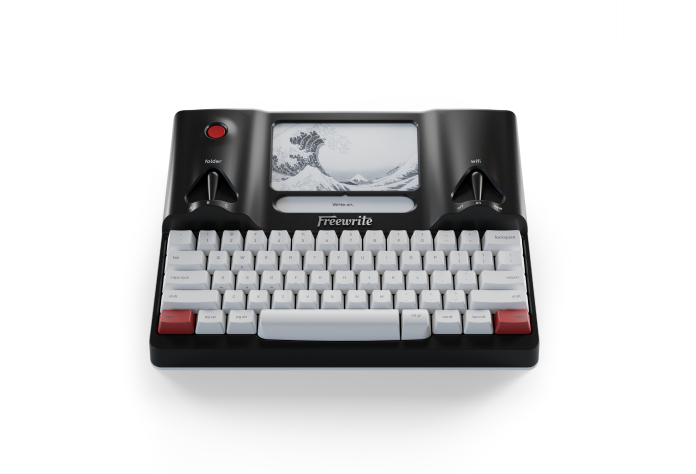
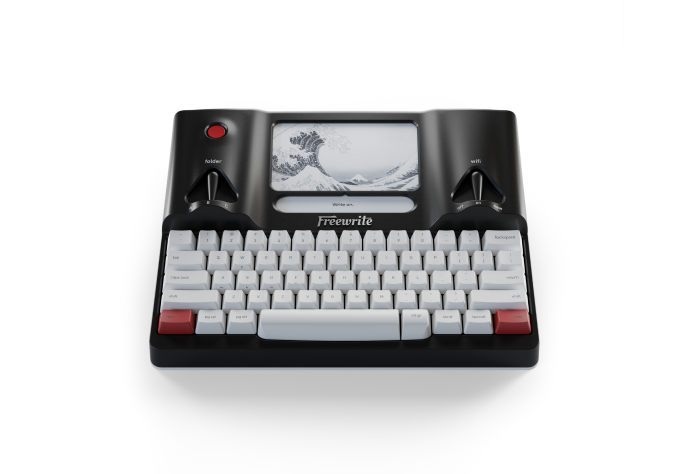
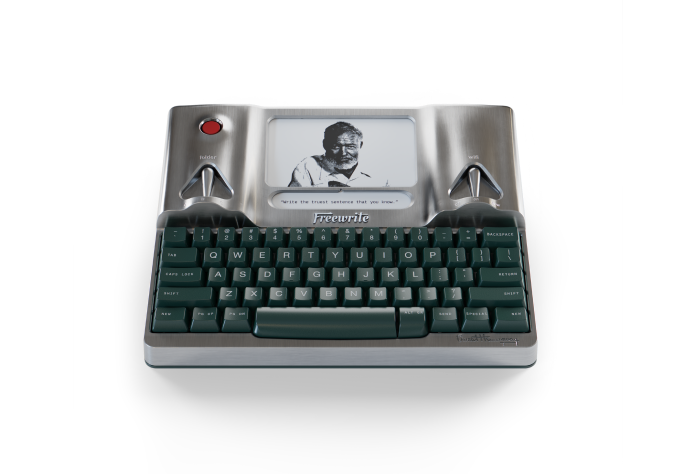
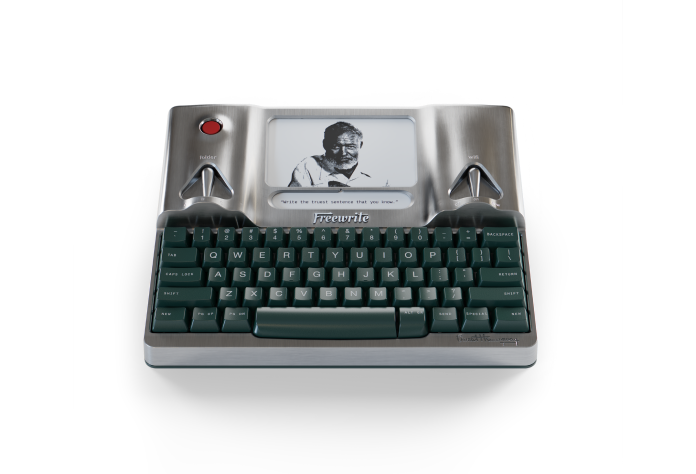
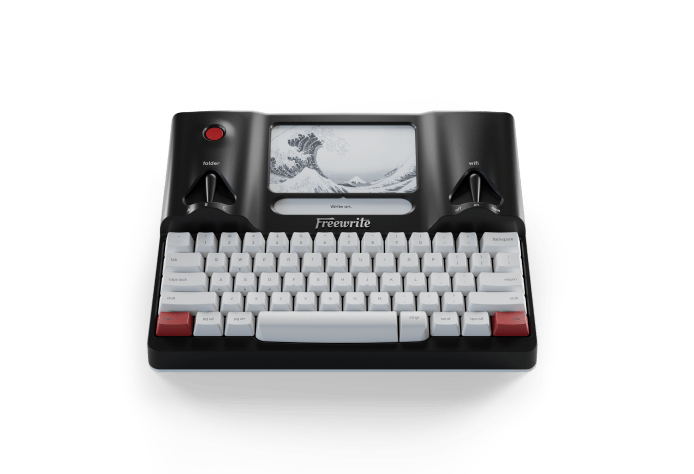
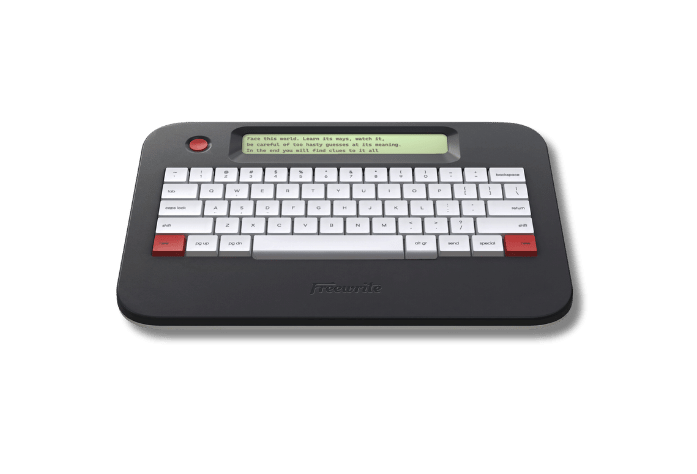
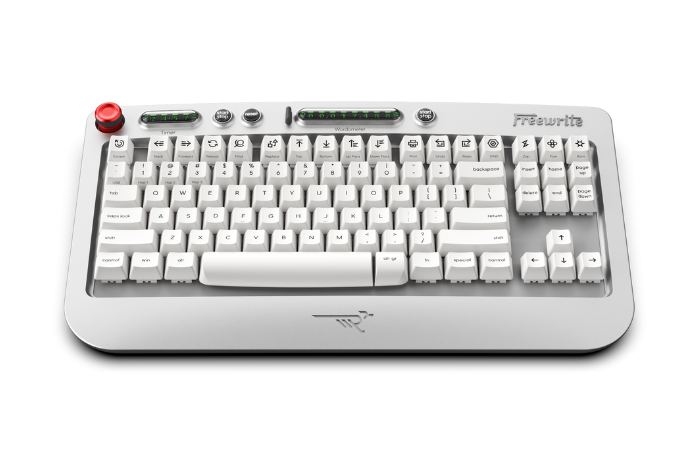
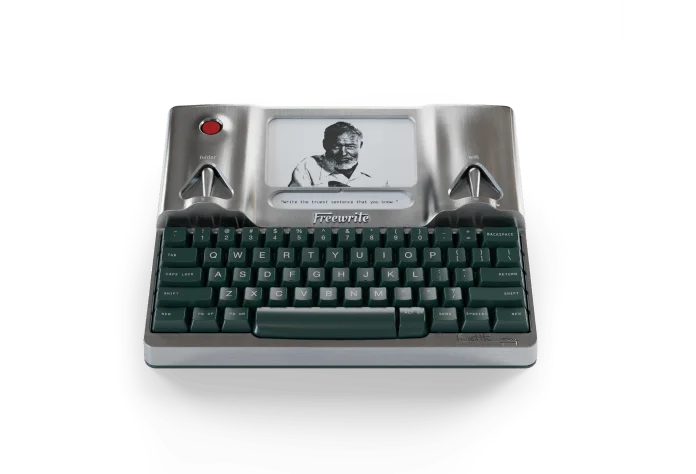
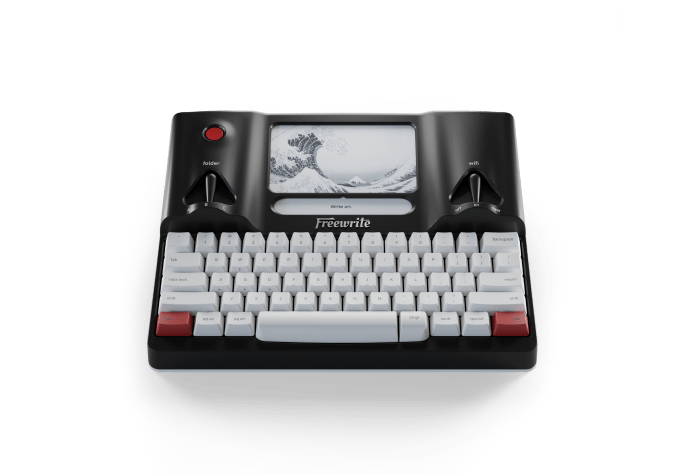
J'ai mon original, Bob, qui a des touches noires sophistiquées. Je l'ai acheté dès leur sortie. Je l'adore pour son rétroéclairage et il est plus performant à un bureau, mais je l'ai déjà emmené en ville une ou deux fois.

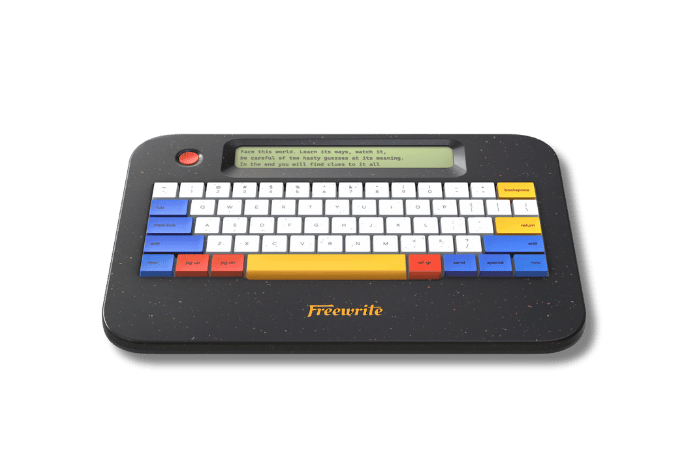
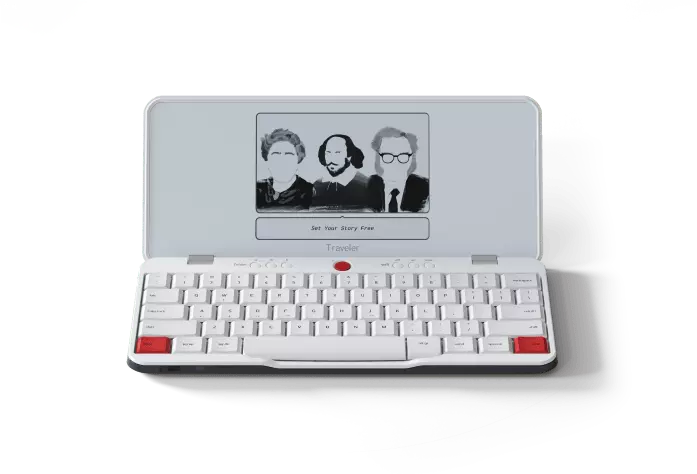
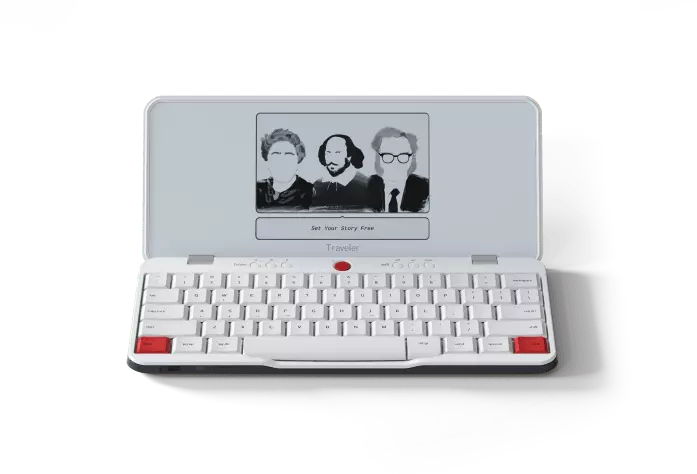
J'ai acheté Traveler dès sa sortie – il s'appelait Travis – et je l'ai emmené faire deux road trips à travers le pays. Il est fantastique grâce à sa petite taille et sa mobilité, c'est pourquoi il m'accompagne toujours en voyage ! J'ai écrit tellement de mots dans des chambres d'hôtel ou à l'arrière d'une voiture pendant que nous roulons.

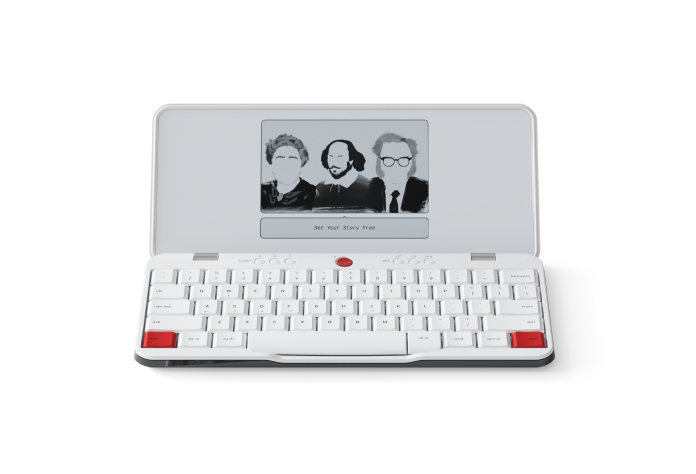
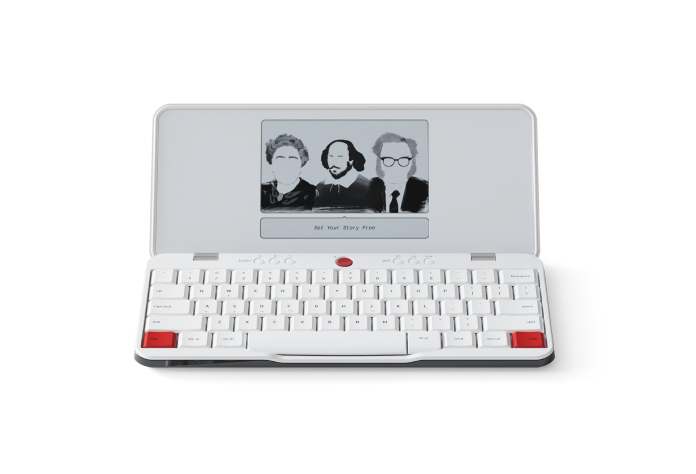
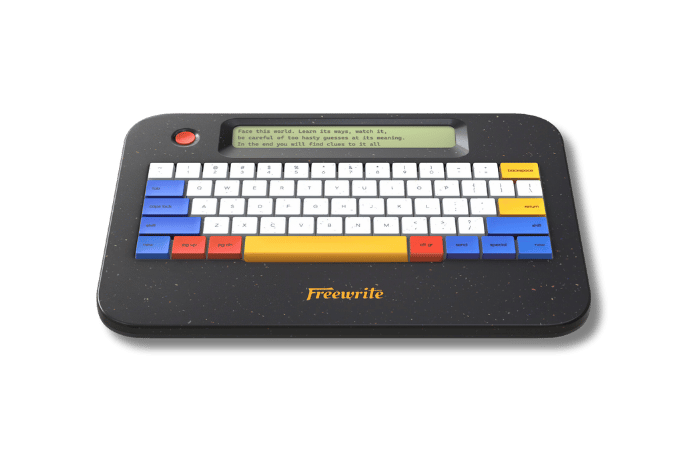
Enfin, mon Alpha – Adam, qui porte bien son nom – est mon nouveau compagnon d'écriture. C'est lui que j'utilise le plus maintenant, et je le garde près de mon lit pour pouvoir écrire un peu le soir en regardant des émissions de télé-réalité. Adam ne me juge jamais.

Notre PDG s'appelle Adam. Il va adorer. Quel est votre préféré ?

Je ne peux pas le dire car, pour moi, ils ont tous des utilisations très spécifiques et je suis heureux de les avoir tous pour différentes raisons.

C'est une échappatoire, mais nous l'accepterons.

Parlons de votre routine d'écriture au cours de vos 40 livres. Y a-t-il eu des changements ?

Il y a tellement de choses ! J'ai commencé comme mère au foyer et j'écrivais en posant mon Freewrite sur ma machine à laver dans la cuisine pendant que je m'occupais de mes enfants. Je griffonnais quelques centaines de mots assise dans la voiture en attendant mes enfants à l'école.

Maintenant, j'ai mon propre bureau – un bureau est bien plus pratique qu'une machine à laver, il s'avère. Mes enfants entrent au lycée, ce qui me permet de me concentrer plusieurs heures par jour sur mon travail, ce qui n'était pas possible auparavant.

Avoir ce temps supplémentaire pour se concentrer est bien sûr agréable, mais la vérité est que parfois le chaos d’avant me manque.

Écrire ce premier livre est quelque chose de spécial. Tout le monde est un peu naïf quant à la suite des événements, et ce sentiment de magie, cet enthousiasme d'avoir accompli quelque chose d'aussi extraordinaire me manquent. Au tome 40, je suis toujours fier, bien sûr, mais le résultat n'est plus aussi brillant qu'au début.

Quelle est la chose la plus importante que vous auriez aimé savoir en écrivant le premier livre et que vous savez maintenant ?

J'aurais aimé avoir plus confiance en moi. J'ai passé des années à avoir peur de me lancer.

Je me suis dit que j'avais besoin d'apprendre davantage, de grandir davantage en tant qu'écrivain, convaincu que j'atteindrais un point où je serais « prêt » pour cela.

Avec le recul, je réalise que c'était la peur qui m'empêchait de progresser. J'avais peur d'entendre des « non » de la part des éditeurs, d'échouer dans quelque chose qui comptait tant pour moi, alors j'avais continué à m'entraîner, me disant que c'était pour le mieux. Il me semblait plus prudent de ne jamais essayer que de risquer de me planter.

Quel est votre conseil numéro 1 pour les écrivains qui cherchent à être plus prolifiques ?

J'en ai deux.

1) Fixez-vous des objectifs raisonnables ! Trop souvent, je vois des gens qui n'écrivent pas du tout décider d'écrire 5 000 mots par jour, sept jours sur sept. Ils ignorent cependant les réalités de leur vie et se préparent à l'échec. Au lieu d'être motivés et fiers de ce qu'ils accomplissent, ils finissent par se sentir démoralisés et abattus dès le premier jour, incapables d'atteindre l'objectif déraisonnable qu'ils se sont fixé.

J'ai constaté qu'il est toujours préférable de se fixer des objectifs plus modestes. Si je me dis que j'écrirai 100 mots, j'en écris presque toujours plus. La pression est moins forte et je ressens une dose de dopamine à chaque fois.

Assurez-vous donc de vous fixer des objectifs que vous pouvez réellement atteindre et sachez que vous pourrez toujours vous fixer des objectifs plus élevés une fois que cela deviendra une routine !

2) Dans le même ordre d'idées, ne soyez pas trop dur avec vous-même. Je fais partie de ces personnes étranges qui adorent le lundi, mais savez-vous pourquoi ? Parce que le lundi marque le début d'une nouvelle semaine. Peu importe comment s'est déroulée la semaine dernière, peu importe ce que j'ai accompli, le lundi m'offre un nouveau départ. Je peux décider du déroulement de cette semaine.

Il y a des semaines où je n'arrive pas à faire ce que je veux, où mes enfants sont… enfin, ados, où je tombe malade, où rien ne va et où je me sens mal. C'est si facile de se laisser abattre, de penser qu'une semaine nous définit, mais ce n'est pas le cas. On peut toujours recommencer.

Alors, chaque lundi, je recommence. J'arrête de me culpabiliser pour la semaine précédente, je cesse de me sentir mal et je me concentre sur mes projets pour cette semaine. Je pense que tout le monde se porterait mieux si nous étions tous un peu plus bienveillants envers nous-mêmes et considérions les lundis comme le nouveau départ que nous méritons !

--

Jayce Carter vit et écrit dans le désert du sud de la Californie avec son mari et ses deux enfants adolescents. Elle a commencé à écrire des nouvelles et des œuvres littéraires, mais a fini par trouver qu'il n'y avait pas assez de littérature vulgaire sur le marché. Sa mère lui a toujours dit d'être le changement qu'elle souhaitait voir dans le monde… un conseil qu'elle regrette aujourd'hui.

Jayce écrit des histoires de harem inversé épicées avec des personnages féminins qui doivent apprendre à maîtriser leur propre pouvoir et prendre le contrôle de leur vie. Elle préfère les histoires paranormales pour toutes les autres filles déçues lorsque la bête s'est transformée en humaine ennuyeuse.

Apprenez-en plus sur Jayce sur jaycecarter.com ou suivez-la sur Instagram et Facebook .
décembre 30, 2025 3 lire la lecture

It’s Freewrite’s favorite time of year. When dictionaries around the world examine language use of the previous year and select a “Word of the Year.”

Of course, there are many different dictionaries in use in the English language, and they all have different ideas about what word was the most influential or saw the most growth in the previous year. They individually review new slang and culturally relevant vocabulary, examine spikes or dips in usage, and pour over internet trend data.

Let’s see what some of the biggest dictionaries decided for 2025. And read to the end for a chance to submit your own Word of the Year — and win a Freewrite gift card.

[SUBMIT YOUR WORD OF THE YEAR]


Merriam-Webster: "slop"

Merriam-Webster chose "slop" as its Word of the Year for 2025 to describe "all that stuff dumped on our screens, captured in just four letters."

The dictionary lists "absurd videos, off-kilter advertising images, cheesy propaganda, fake news that looks pretty real, junky AI-written books, 'workslop' reports that waste coworkers’ time … and lots of talking cats" as examples of slop.

The original sense of the word "slop" from the 1700s was “soft mud” and eventually evolved to mean "food waste" and "rubbish." 2025 linked the term to AI, and the rest is history.

Honorable mentions: conclave, gerrymander, touch grass, performative, tariff, 67.

Dictionary.com: "67"

The team at Dictionary.com likes to pick a word that serves as “a linguistic time capsule, reflecting social trends and global events that defined the year.”

For 2025, they decided that “word” was actually a number. Or two numbers, to be exact.

If you’re an old, like me, and don’t know many school-age children, you may not have heard “67” in use. (Note that this is not “sixty-seven,” but “six, seven.”)

Dictionary.com claims the origin of “67” is a song called “Doot Doot (6 7)” by Skrilla, quickly made infamous by viral TikTok videos, most notably featuring a child who will for the rest of his life be known as the “6-7 Kid.” But according to my nine-year-old cousin, the origins of something so mystical can’t ever truly be known.

(My third grade expert also demonstrated the accompanying signature hand gesture, where you place both hands palms up and alternately move up and down.)

And if you happen to find yourself in a fourth-grade classroom, watch your mouth, because there’s a good chance this term has been banned for the teacher’s sanity.

Annoyed yet? Don’t be. As Dictionary.com points out, 6-7 is a rather delightful example at how fast language can develop as a new generation joins the conversation.

Dictionary.com honorable mentions: agentic, aura farming, broligarchy, clanker, Gen Z stare, kiss cam, overtourism, tariff, tradwife.

Oxford Dictionary: "rage bait"

With input from more than 30,000 users and expert analysis, Oxford Dictionary chose "rage bait" for their word of the year.

Specifically, the dictionary pointed to 2025’s news cycle, online manipulation tactics, and growing awareness of where we spend our time and attention online.

While closely paralleling its etymological cousin "clickbait," rage bait more specifically denotes content that evokes anger, discord, or polarization.

Oxford's experts report that use of the term has tripled in the last 12 months.

Oxford Dictionary's honorable mentions:aura farming, biohack.

Cambridge Dictionary: "parasocial"

The Cambridge Dictionary examined a sustained trend of increased searches to choose "parasocial" as its Word of the Year.

Believe it or not, this term was coined by sociologists in 1956, combining “social” with the Greek-derived prefix para-, which in this case means “similar to or parallel to, but separate from.”

But interest in and use of the term exploded this year, finally moving from a mainly academic context to the mainstream.

Cambridge Dictionary's honorable mentions: slop, delulu, skibidi, tradwife

Freewrite: TBD

This year, the Freewrite Fam is picking our own Word of the Year.

Click below to submit what you think the Word of 2025 should be, and we'll pick one submission to receive a Freewrite gift card.

[SUBMIT HERE] 

--

Sources

décembre 18, 2025 6 lire la lecture

Que peuvent apprendre les lettres personnelles de Jane Austen aux écrivains ?

décembre 10, 2025 6 lire la lecture

Singer-songwriter Abner James finds his creativity in the quiet freedom of analog tools. Learn how his creative process transcends different media.

Abner James went to school for film directing. But the success of the band he and his brother formed together, Eighty Ninety, knocked him onto a different trajectory.

The band has accrued more than 40 million streams since the release of their debut EP “Elizabeth," and their work was even co-signed by Taylor Swift when the singer added Eighty Ninety to her playlist "Songs Taylor Loves.”

Now, Abner is returning to long-form writing in addition to songwriting, and with a change in media comes an examination of the creative process. We sat down to chat about what's the same — and what's different. 

ANNIE COSBY: Tell us about your songwriting process.

ABNER JAMES: The way I tend to write my songs is hunched over a guitar and just seeing what comes. Sounds become words become shapes. It's a very physical process that is really about turning my brain off.

And one of the things that occurred to me when I was traveling, actually, was that I would love to be able to do that but from a writing perspective. What would happen if I sat down and approached writing in the same way that I approached music? In a more intuitive and free-form kind of way? What would that dig up?

AC: That's basically the ethos of Freewrite.

AJ: Yes. We had just put out a record, and I was thinking about how to get into writing for the next one. It occurred to me that regardless of how I started, I always finished on a screen. And I wondered: what's the acoustic guitar version of writing?

Where there's not blue light hitting me in the face. Even if I'm using my Notes app, it's the same thing. It really gets me into a different mindset.

 "I wondered: what's the acoustic guitar version of writing?"

I grew up playing piano. That was my first instrument. And I found an old typewriter at a thrift store, and I love it. It actually reminded me a lot of playing piano, the kind of physical, the feeling of it. And it was really fun, but pretty impractical, especially because I travel a fair amount.

And so I wondered, is there such a thing as a digital typewriter? And I googled it, and I found Freewrite.

AC: What about Freewrite helps you write?

AJ:I think, pragmatically, just the E Ink screen is a huge deal, because it doesn't exhaust me in the same way. And the idea of having a tool specifically set aside for the process is appealing in an aesthetic way but also a mental-emotional way. When it comes out, it's kind of like ... It's like having an office you work out of. It's just for that.

"The way I tend to write my songs is hunched over a guitar and just seeing what comes. Sounds become words become shapes. It's a very physical process that is really about turning my brain off."

And all of the pragmatic limitations — like you're not getting texts on it, and you're not doing all that stuff on the internet — that's really helpful, too. But just having the mindset....

When I pick up a guitar, or I sit down at the piano, it very much puts me into that space. Having a tool just for words does the same thing. I find that to be really cool and inspiring.

"When I pick up a guitar, or I sit down at the piano, it very much puts me into that space. Having a tool just for words does the same thing."

AC: So mentally it gets you ready for writing.

AJ: Yeah, and also, when you write a Microsoft Word, it looks so finished that it's hard to keep going. If every time I strummed a chord, I was hearing it back, mixed and mastered and produced...?

It's hard to stay in that space when I'm seeing it fully written out and formatted in, like, Times New Roman, looking all seriously back at me.

AC: I get that. I have terrible instincts to edit stuff over and over again and never finish a story.

AJ:  Also, the way you just open it and it's ready to go. So you don't have the stages of the computer turning on, that kind of puts this pressure, this tension on.

It's working at the edges in all these different ways that on their own could feel a little bit like it's not really necessary. All these amorphous things where you could look at it and be like, well, I don't really need any of those. But they add up to a critical mass that actually is significant.

And sometimes, if I want to bring it on a plane, I've found it's replaced reading for me. Rather than pick up a book or bring a book on the plane, I bring Traveler and just kind of hang out in that space and see if anything comes up.

I've found that it's kind of like writing songs on a different instrument, you get different styles of music that you wouldn't have otherwise. I've found that writing from words towards music, I get different kinds of songs than I have in the past, which has been interesting.

In that way, like sitting at a piano, you just write differently than you do on a guitar, or even a bass, because of the things those instruments tend to encourage or that they can do.

It feels almost like a little synthesizer, a different kind of instrument that has unlocked a different kind of approach for me.

"I've found that it's kind of like writing songs on a different instrument, you get different styles of music that you wouldn't have otherwise... [Traveler] feels almost like a little synthesizer, a different kind of instrument that has unlocked a different kind of approach for me."

AC: As someone who doesn't know the first thing about writing music, that's fascinating. It's all magic to me.

AJ: Yeah.

AC: What else are you interested in writing?

AJ: I went to school for film directing. That was kind of what I thought I was going to do. And then my brother and I started the band and that kind of happened first and knocked me onto a different track for a little while after college.

Growing up, though, writing was my way into everything. In directing, I wanted to be in control of the thing that I wrote. And in music, it was the same — the songwriting really feels like it came from that same place. And then the idea of writing longer form, like fiction, almost feels just like the next step from song to EP to album to novel.

For whatever reason, that started feeling like a challenge that would be deeply related to the kinds of work that we do in the studio.

AC: Do you have any advice for aspiring songwriters?

AJ: This sounds like a cliche, but it's totally true: whatever success that I've had as a songwriter — judge that for yourself — but whatever success I have had, has been directly proportional to just writing the song that I wanted to hear.

What I mean by that is, even if you're being coldly, cynically, late-stage capitalist about it, it's by far the most success I've had. The good news is that you don't have to choose. And in fact, when you start making those little compromises, or even begin to inch in that direction, it just doesn't work. So you can forget about it.

Just make music you want to hear. And that will be the music that resonates with most people.

I think there's a temptation to have an imaginary focus group in your head of like 500 people. But the problem is all those people are fake. They're not real. None of those people are actually real people. You're a focus group of one, you're one real person. There are more real people in that focus group than in the imaginary one.

And I just don't think that we're that different, in the end. So that would be my advice.

AC: That seems like generally great creative advice. Because fiction writers talk about that too, right? Do you write to market or do you write the book you want to read. Same thing. And that imaginary focus group has been debilitating for me. I have to silence that focus group before I can write.

AJ: Absolutely.

"I think there's a temptation to have an imaginary focus group in your head of like 500 people. But the problem is all those people are fake... You're a focus group of one, you're one real person. There are more real people in that focus group than in the imaginary one."

--

Learn more about Abner James, his brother, and their band, Eighty Ninety, on Instagram.