overlaylink

10 façons de démarrer votre parcours d'écriture de roman avec ce NaNoWriMo

octobre 21, 2022 | 2 lire la lecture

Vous vous préparez pour le NaNoWriMo ? Si oui, cet article de blog vous intéressera ! Nous avons compilé 10 astuces pour démarrer votre écriture et profiter pleinement de ce mois. Que vous soyez un romancier débutant ou un écrivain confirmé, ces conseils vous aideront à trouver le rythme et à écrire plus de mots chaque jour. Alors, qu'attendez-vous ? Commencez à lire et préparez-vous à écrire !

1. Commencez par un plan : cela vous aidera à rester sur la bonne voie et à garantir une intrigue cohérente pour votre roman. De plus, il sera plus facile d'atteindre vos objectifs quotidiens de nombre de mots si vous savez ce qui doit se passer ensuite dans l'histoire.

2. Fixez-vous un objectif quotidien de nombre de mots : assurez-vous qu'il soit réaliste pour ne pas vous décourager si vous ne l'atteignez pas tous les jours. Avoir un objectif à atteindre vous aidera à rester concentré et motivé.

3. Trouvez un partenaire d'écriture : c'est toujours plus amusant d'écrire à deux, et vous pouvez vous entraider pour rester sur la bonne voie. De plus, c'est agréable d'avoir quelqu'un avec qui fêter ses objectifs quotidiens de nombre de mots !

4. Prenez le temps d'écrire : planifiez-le dans votre journée comme n'importe quel autre rendez-vous important. Et si vous ne trouvez pas de créneau précis, écrivez simplement 10 à 15 minutes de temps en temps. Chaque petit geste compte !

5. Créez l'ambiance : créez un environnement propice à l'écriture. Que ce soit en allumant des bougies, en préparant une tasse de thé ou en écoutant votre musique préférée, faites tout votre possible pour vous mettre dans l'ambiance.

6. Faites des pauses : il est important de s'éloigner de l'ordinateur de temps en temps, sinon vous risquez de vous sentir épuisé. Alors, prenez quelques minutes pour vous étirer, marcher ou simplement vous éloigner de votre bureau.

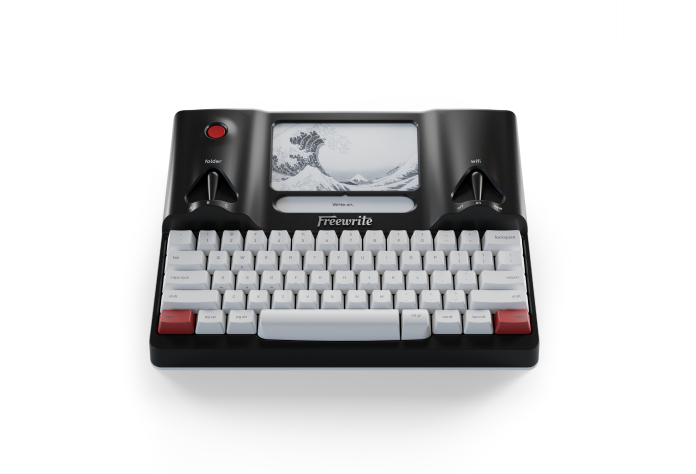
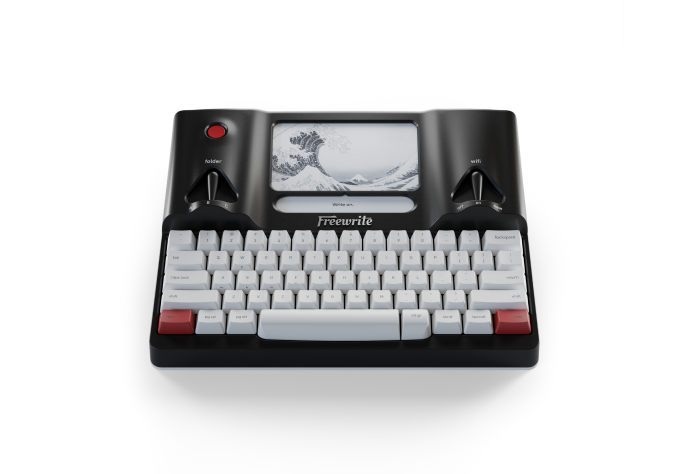
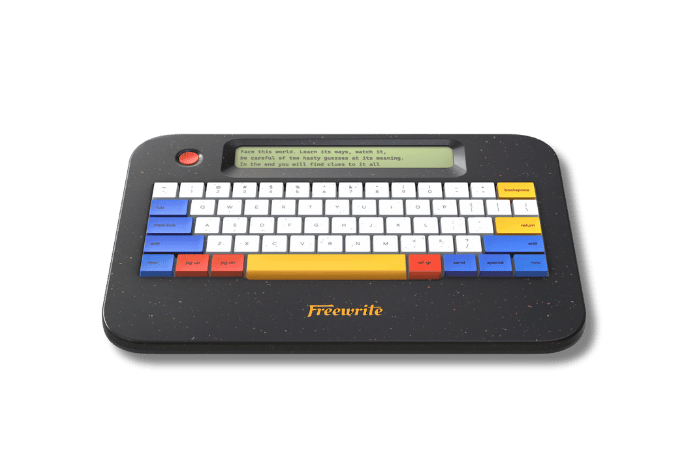
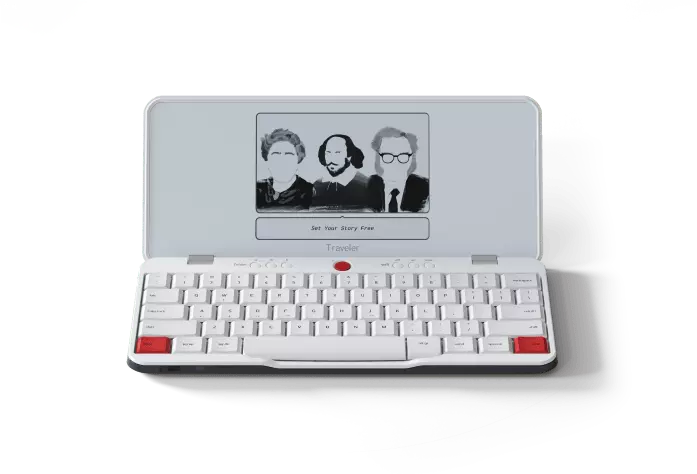
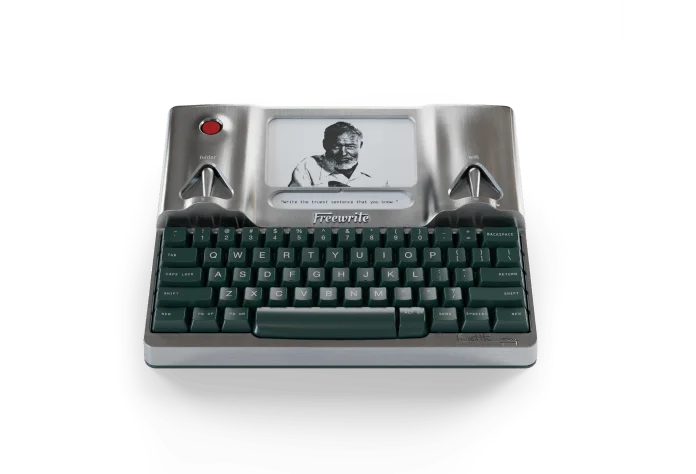
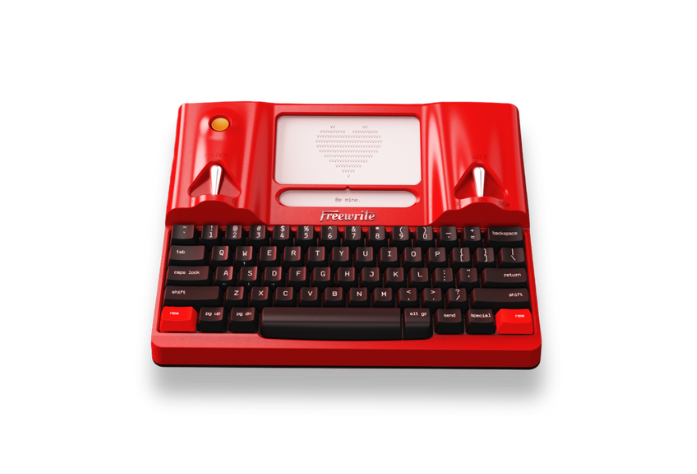
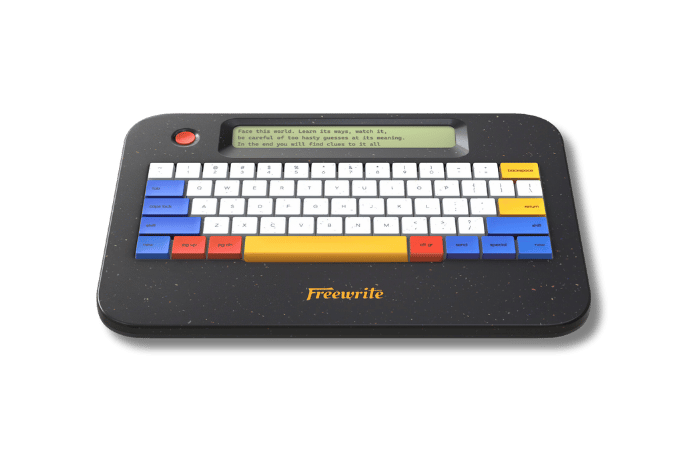
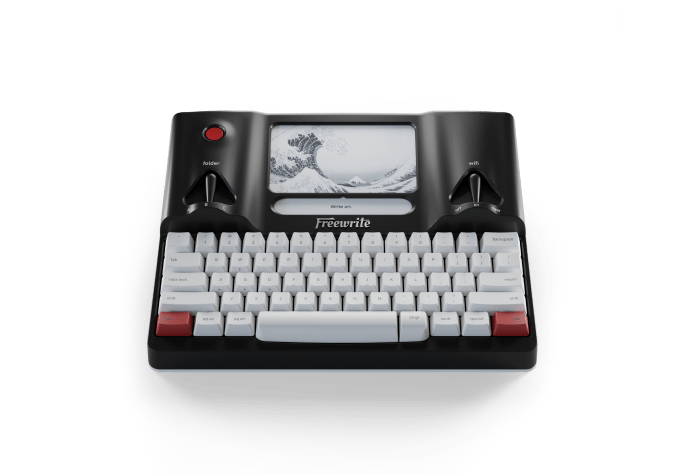
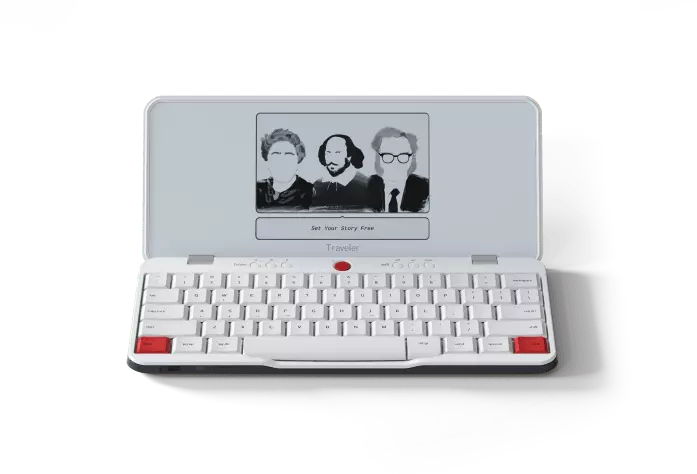
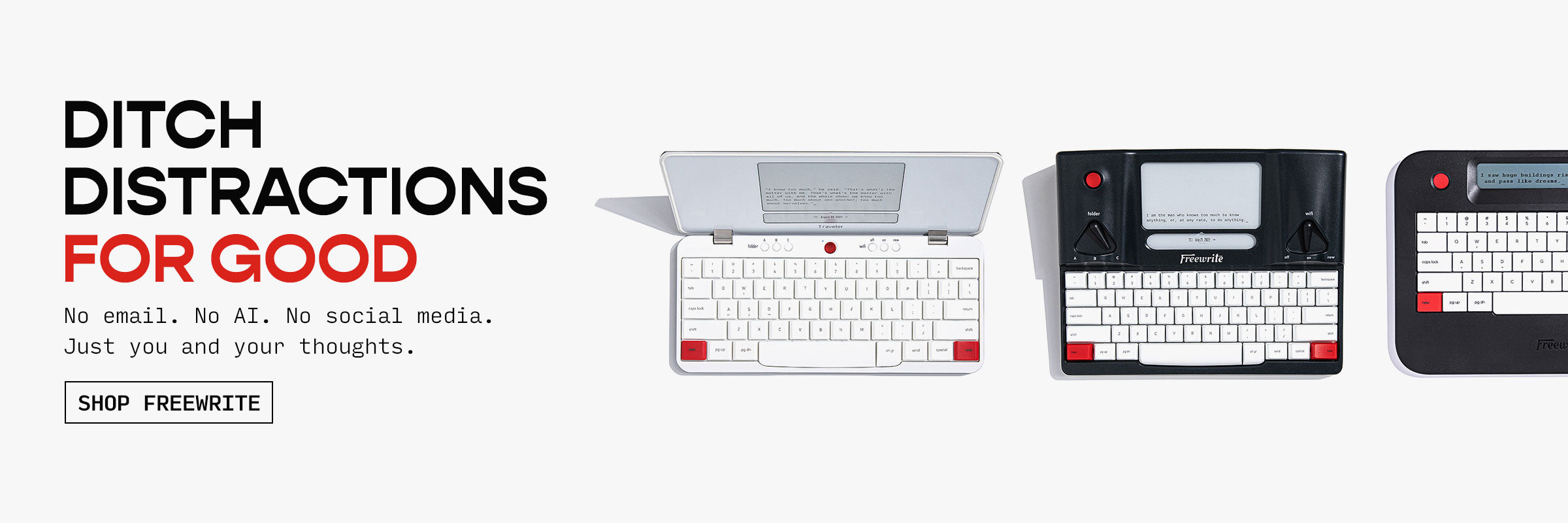
7. Limitez les distractions : éteignez votre téléphone, fermez les onglets des réseaux sociaux et tout ce qui pourrait vous distraire de votre écriture. Moins vous êtes distrait, plus vous serez concentré. Si vous avez du mal à vous déconnecter de votre téléphone ou de vos autres appareils pendant que vous écrivez, pensez à un outil d'écriture sans distraction comme Traveler de Freewrite.

8. Écrivez par courtes séquences : si vous vous sentez embourbé, essayez d'écrire par courtes séquences de 500 mots ou moins. Cela peut vous aider à rompre la monotonie et à maintenir votre élan.

9. Lisez d'autres romans : c'est non seulement un excellent moyen de trouver l'inspiration, mais cela vous aidera aussi à améliorer votre propre écriture. Comme on dit, la meilleure façon d'apprendre à écrire est de lire autant que possible.

10. Récompensez-vous : lorsque vous atteignez votre objectif quotidien de mots, offrez-vous quelque chose de spécial. Que ce soit une tasse de café, un morceau de chocolat ou un peu de temps passé sur les réseaux sociaux, trouvez quelque chose qui vous motivera à persévérer.

11 (BONUS !). Amusez-vous : Au final, le but du NaNoWriMo est de prendre du plaisir à écrire un roman. Alors, ne le prenez pas trop au sérieux et amusez-vous !

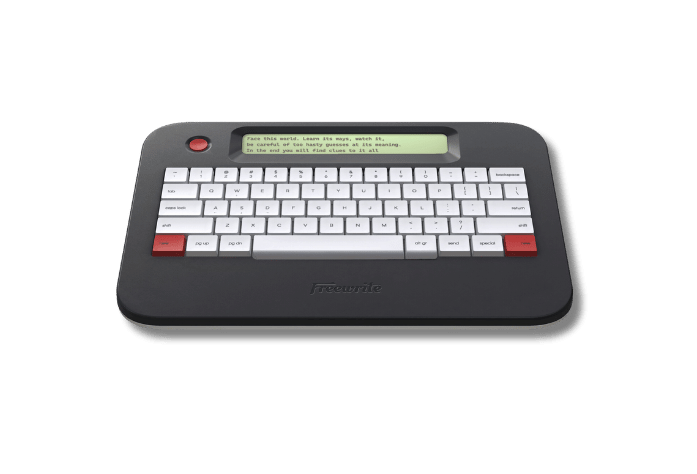
Freewrite est un fier sponsor du NaNoWriMo 2022. Les participants peuvent trouver plus de conseils d'autres utilisateurs, une réduction sur le produit et plus encore sur notre page de parrainage NaNoWriMo !

Commanditaire du NaNoWriMo
avril 15, 2026 4 lire la lecture

Break up with Final Draft for good. Get the best screenplay workflow in Hollywood: Freewrite + Highland Pro.

avril 01, 2026 0 lire la lecture
mars 22, 2026 3 lire la lecture

If you're new here, freewriting is “an unfiltered and non-stop writing practice.” It’s sometimes known as stream-of-consciousness writing.

To do it, you simply need to write continuously, without pausing to rephrase, self-edit, or spellcheck. Freewriting is letting your words flow in their raw, natural state.

When writing the first draft of a novel, freewriting is the approach we, and many authors, recommend because it frees you from many of the stumbling blocks writers face.

This method helps you get to a state of feeling focused and uninhibited, so you can power through to the finish line.

How Freewriting Gives You Mental Clarity

Freewriting is like thinking with your hands. Some writers have described it as "telling yourself the story for the first time."

Writing for Inside Higher Ed, Steven Mintz says, “Writing is not simply a matter of expressing pre-existing thoughts clearly. It’s the process through which ideas are produced and refined.” And that’s the magic of putting pen to paper, or fingertips to keyboard. The way you learned to ride a bike by wobbling until suddenly you were pedaling? The way you learned certain skills by doing as well as revising? It works for writing, too.

The act of writing turns on your creative brain and kicks it into high gear. You’re finally able to articulate that complex idea the way you want to express it when you write, not when you stare at a blank page and inwardly think until the mythical perfect sentence comes to mind.

Writing isn’t just the way we express ideas, but it’s how we extract them in the first place. Writing is thinking.

Or, as Flannery O'Connor put it:

“I write because I don't know what I think until I read what I say.”

Writing isn’t just the way we express ideas, but it’s how we extract them in the first place. Writing is thinking.


Freewriting to Freethinking

But how and why does it work? Freewriting makes fresh ideas tumble onto the page because this type of writing helps you get into a meditative flow state, where the distractions of the world around you slip away.

Julie Cameron, acclaimed author of The Artist’s Way, proposed the idea that flow-state creativity comes from a divine source. And sure, it certainly feels like wizardry when the words come pouring out and scenes seem to arrange themselves on the page fully formed. But that magic, in-the-zone writing feeling doesn’t have to happen only once in a blue moon. It’s time to bust that myth.

By practicing regular freewriting and getting your mind (and hands) used to writing unfiltered, uncensored, and uninterrupted, you start freethinking and letting the words flow. And the science backs it up.

According to Psychology Today, the dorsolateral prefrontal cortex goes quiet during flow state. This part of the brain is in charge of “self-monitoring and impulse control” – in other words, the DLPFC is the tiny home of your loud inner critic. And while that mean little voice in your head takes a long-overdue nap, you’re free to write without doubt or negative self-talk.

“With this area [of the brain] deactivated, we’re far less critical and far more courageous, both augmenting our ability to imagine new possibilities and share those possibilities with the world.”

Freewriting helps us connect with ourselves and our own thoughts, stories, beliefs, fears, and desires. But working your creative brain is like working a muscle. It needs regular flexing to stay strong.

So, if freewriting helps us think and organize our thoughts and ideas, what happens if we stop writing? If we only consume and hardly ever create, do we lose the ability to think for ourselves? Up next, read "Are We Living through a Creativity Crisis?"


Learn More About Freewriting

Get the ultimate guide to boosting creativity and productivity with freewriting absolutely free right here.You'll learn how to overcome perfectionism, enhance flow, and reignite the joy of writing.

SYSF-book-mockup.webp